
Thinking about starting a vintage booth? Learn what sells, how to price your items, where to find inventory, and how to style a booth shoppers will remember.
If you’ve ever walked through a flea market or antique shop and thought, “I could do this…”—you’re probably right.
Starting a vintage booth is one of the most creative (and surprisingly doable) ways to turn your love of thrifting, antiquing, and styling into something more. Whether you’re dreaming of a small side hustle or simply want a space to share your favorite finds, a well-styled booth can be both fun and profitable.
In this post, I’m sharing exactly how to start a vintage booth, along with vintage booth display ideas and the real lessons I’ve learned along the way, what works, what sells, and what I’d do differently if I were starting again.
Vintage Home Decorating Guides and Styling Inspiration
Are you curious about vintage decor but don’t know where to start? These cornerstone guides are packed with seasonal styling tips, how-tos, and inspiration to help you confidently decorate with charm and character.
What is a Vintage Booth? (And How to Know if It’s Right for You)
A vintage booth is a small, rented space inside an antique store, flea market, or vintage marketplace where you can display and sell vintage decor, furniture, and collected finds. Think of it as your own mini shop, styled your way, without the cost or commitment of a full storefront.
Vintage booths are especially popular for those who love thrifting, antiquing, and styling. You get to curate a space, rotate inventory, and share pieces you’ve sourced, all while reaching shoppers who are already looking for vintage treasures.
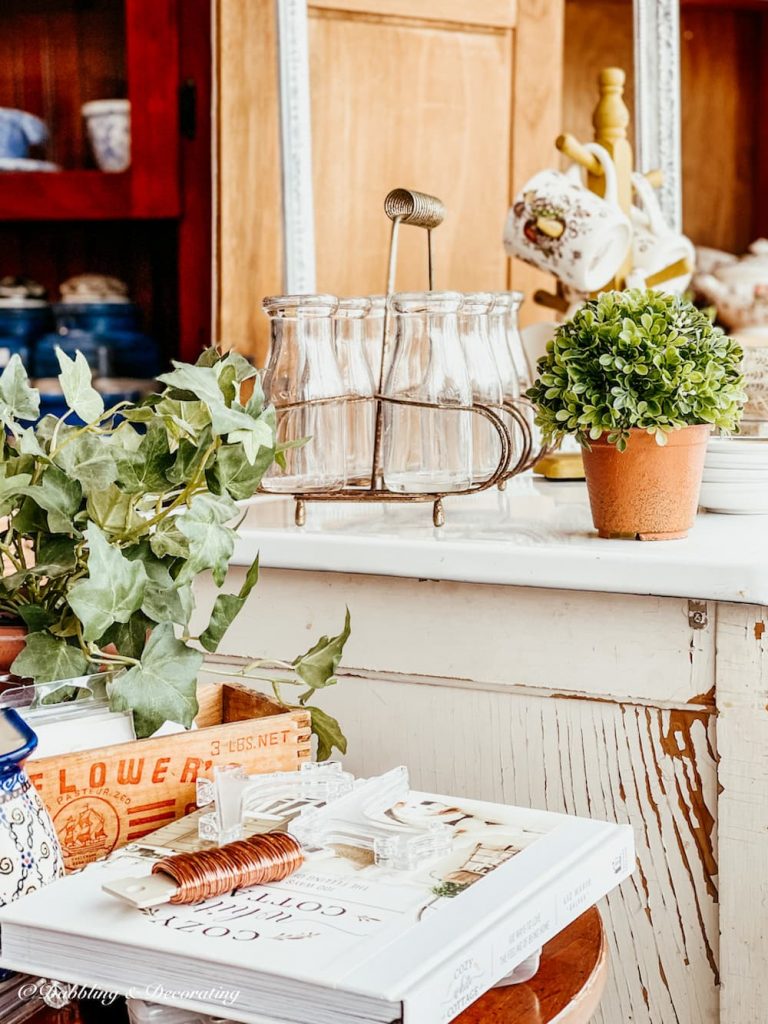
From my own experience running a booth, it’s one of the most creative ways to combine styling, collecting, and selling. It can be as simple or as strategic as you want it to be, whether you’re looking for a creative outlet or building a small business with intention.
If you’re drawn to treasure hunting, styling vignettes, and working with ever-changing inventory, starting a vintage booth could be a great fit.
Antiquing & Thrifting New England Shopping Guides: Vintage Stores, Markets & Must-Visit Stops
Join me as I explore the best antique and thrift stores from Maine to Vermont, and even Paris and Canada. It’s your go-to guide for planning your next treasure-hunting adventure.
How to Choose the Right Vintage Booth Space
Choosing the right vintage booth space can make a big difference in how your booth performs. Location, layout, and the overall vibe of the shop all play a role in what sells and how easy your booth is to manage.
5 Key Things to Look for in a Vintage Booth Space
It’s essential to review contracts, understand monthly charges, and ask plenty of questions before signing up. But when you find the right location, one that’s convenient, welcoming, and busy with shoppers, it can make your vintage booth experience even more rewarding.

Thrifting with the Gals
Love the thrill of the hunt? Thrifting with the Gals is a blog series packed with secondhand scores, vintage styling ideas, and real-time thrift adventures you won’t want to miss.
My First Vintage Booth: What I’d Do Differently Today
I opened my first vintage booth right in the heart of downtown Manchester, Vermont, a busy four-season ski town with incredible foot traffic year-round. The shop itself was full of charm, with a mix of vintage booths, a candy counter, and a steady stream of visitors browsing, chatting, and lingering.
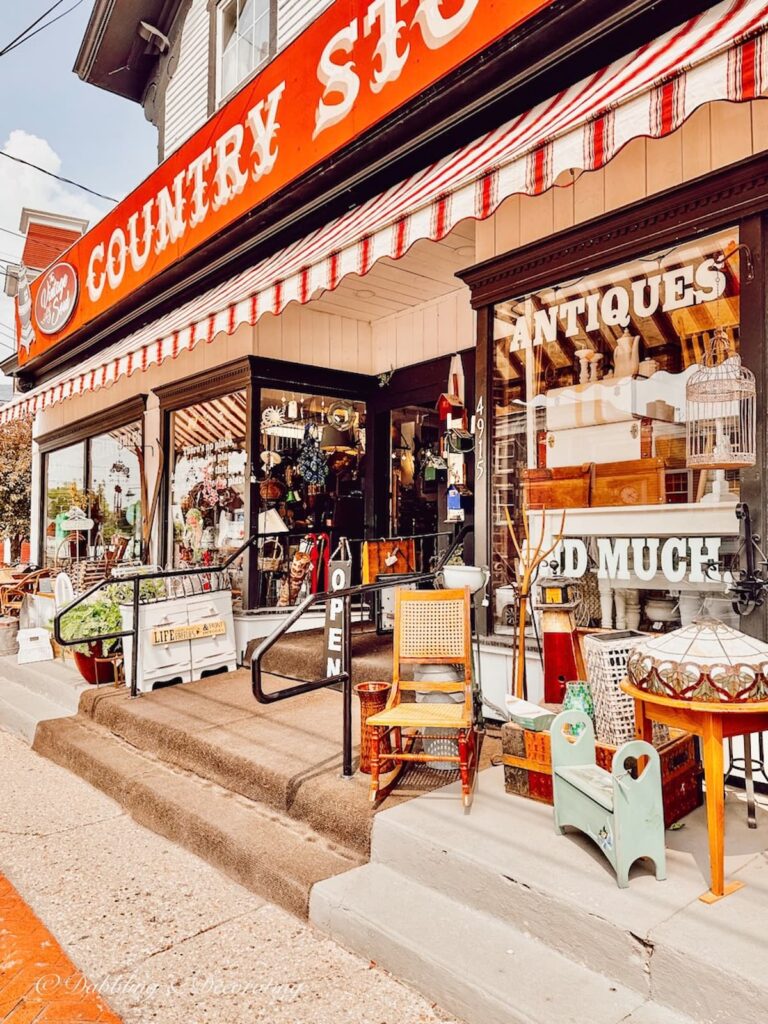
On paper, it felt like the perfect place to start.
And in many ways, it was, but once I got going, I quickly realized there were a few things I hadn’t fully thought through. Small decisions at the beginning made a big difference in how easy (or difficult) the booth was to manage and style day-to-day.
If you’re just getting started, these are the lessons that mattered most, and what I’d do differently now.
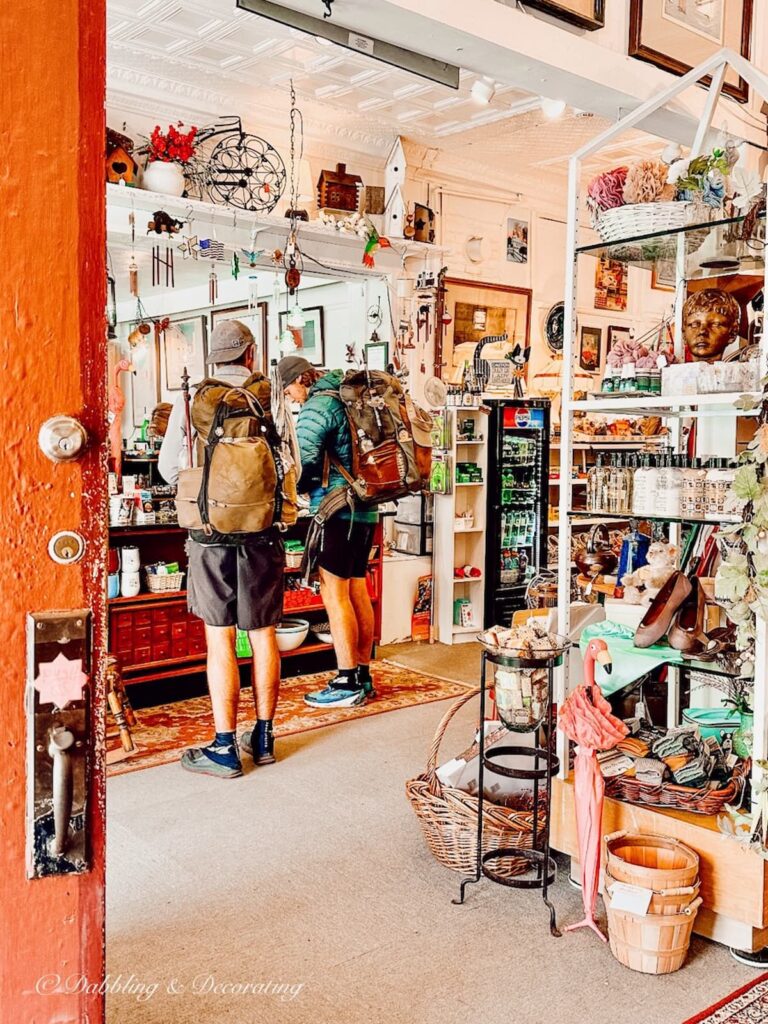
1. Not All “Great Locations” Are Easy to Work With
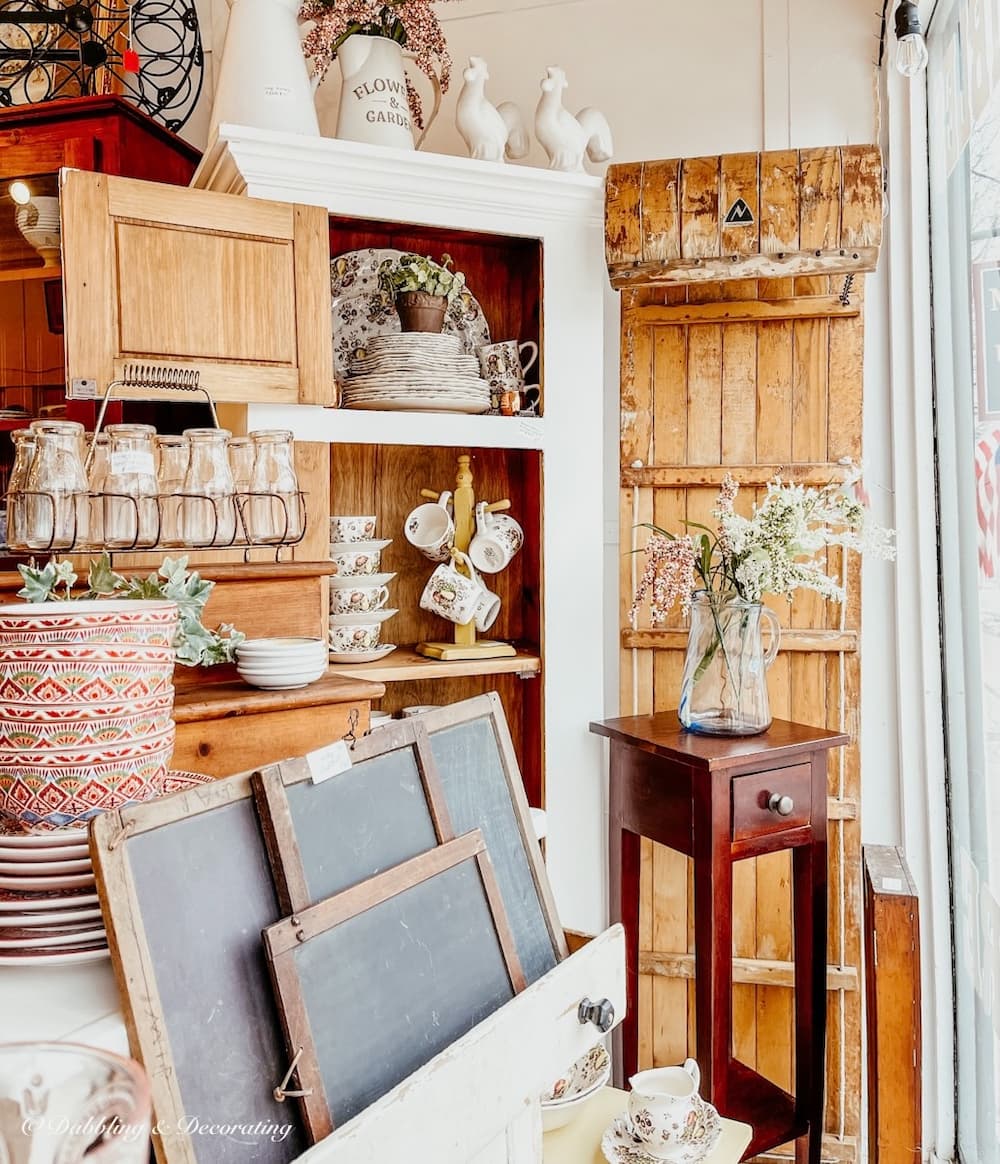
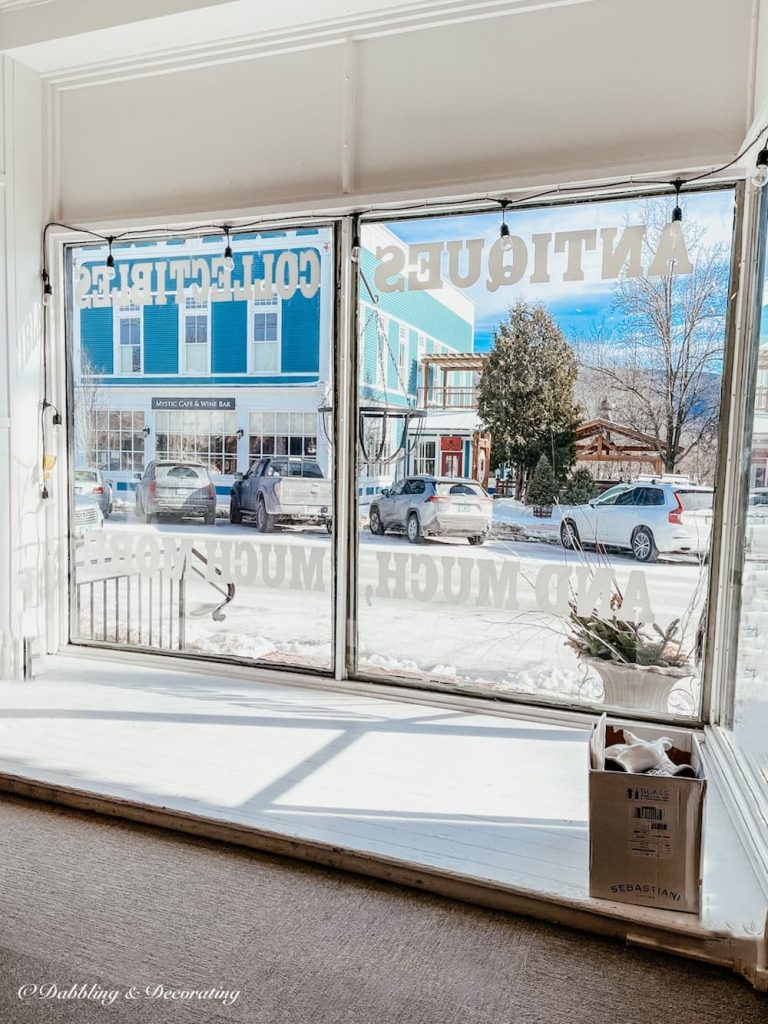
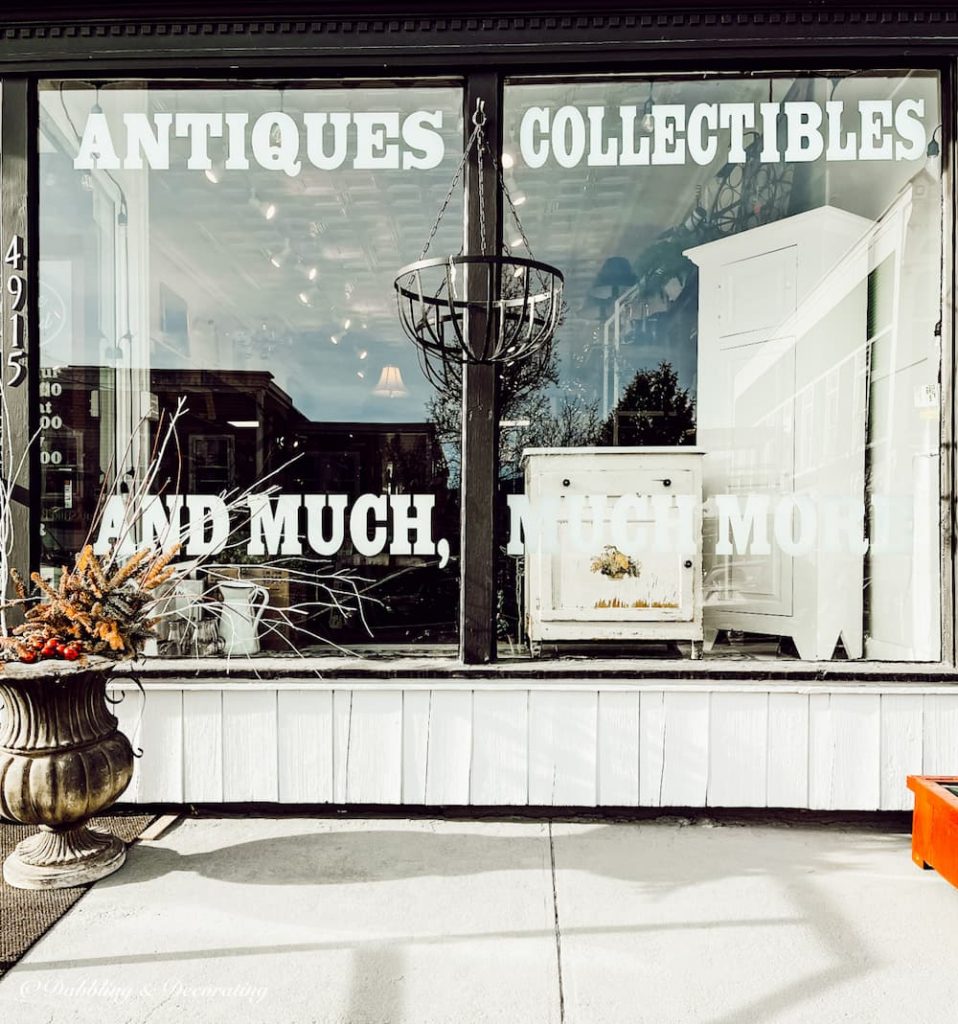
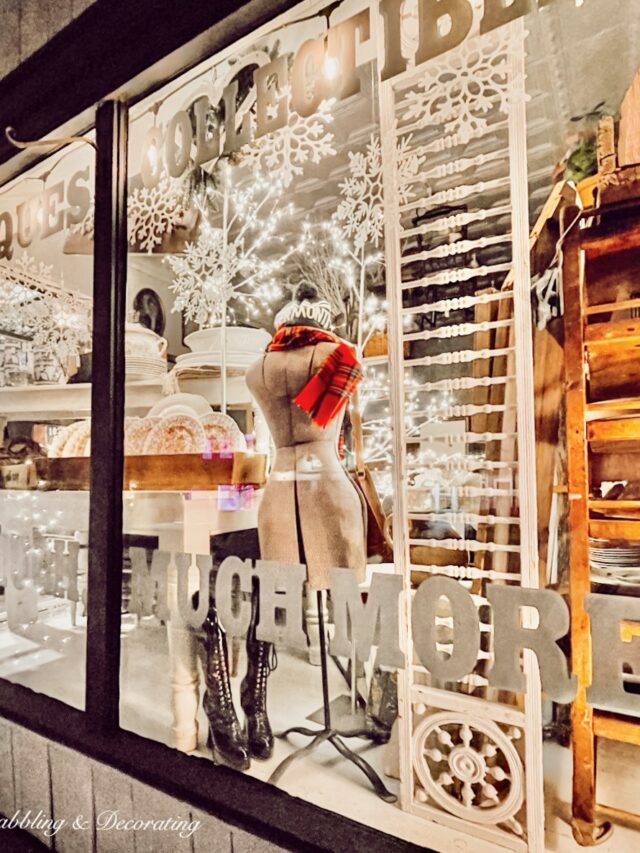
My booth was in the front window, which sounded ideal. It was bright, highly visible, and one of the first things customers saw when they walked by. But the trade-off was losing almost all of my wall space. With three large windows, I had very limited areas to hang or anchor pieces, which made styling much more challenging.
I also found myself constantly torn between styling for the outside view versus making the booth functional and shoppable from the inside. What looked beautiful from the street didn’t always translate well once customers stepped inside.
What I’d do differently:
I’d prioritize wall space and layout over visibility alone. Having solid walls to anchor furniture, shelving, and vertical displays makes styling so much easier and more effective. A booth that’s easy to shop and well-balanced inside will always perform better than one that just looks good from the outside.
2. Booth Layout Matters More Than You Think
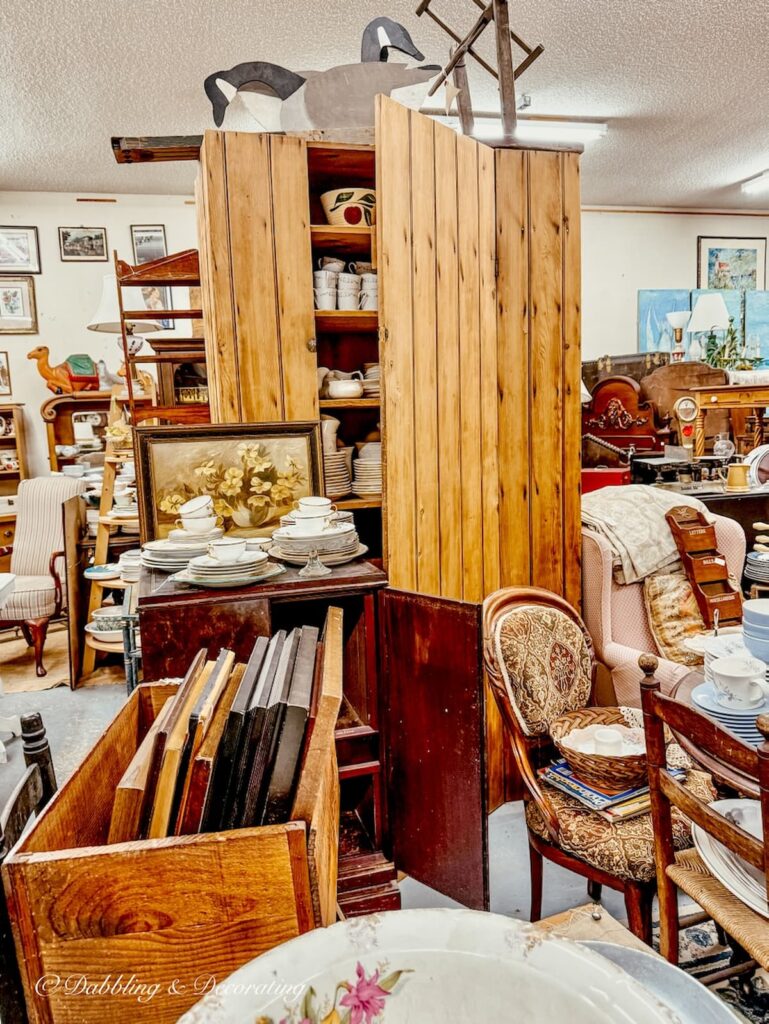
As the shop evolved, additional furniture, like large bookcases, was placed near my booth. Over time, the space became more closed in and harder to access. It didn’t just affect how the booth looked; it changed how people moved through the space. When a booth feels tight or blocked, shoppers are less likely to step in and browse.
Styling also became more difficult because I had fewer angles to work with and less flexibility overall.
What I’d do differently:
I’d take more time to evaluate not just the booth itself, but everything around it. Walk the space, observe how customers move through the shop, and notice where people naturally stop or skip. Choosing a booth that feels open, accessible, and easy to browse can make a big difference in how long shoppers stay, and what they buy.
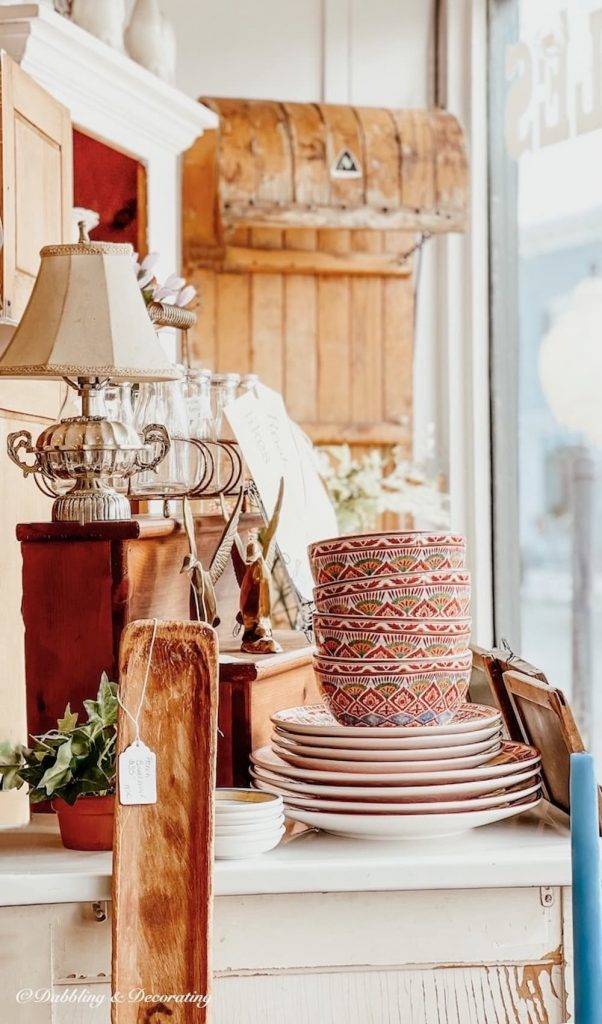
3. Don’t Rush Your Vintage Booth Setup
When my vintage booth space became available, I moved in quickly, within just a couple of days. Because it was a window space, I felt pressure to fill it right away.
But I wasn’t fully prepared.
I didn’t have my pricing tags ready, I hadn’t installed shelving, and I didn’t have a fully curated collection of inventory. I was essentially building the booth as I went, instead of starting with a clear plan. It looked good, but it could have been so much better with just a little more preparation.
What I’d do differently:
I’d give myself at least a few weeks to prepare before moving in. That includes having pricing tags ready, gathering key display pieces like shelves or risers, and curating a strong starting themed inventory. A well-prepared booth feels more intentional from day one and helps build confidence as you get started.
4. Have a Clear Styling Direction From the Start
In the beginning, I filled the booth with pieces I loved, but I didn’t have a defined look or theme guiding the space. As a result, it took longer for the booth to feel cohesive and intentional.
Over time, I learned that shoppers are naturally drawn to booths that feel styled and curated, not just filled. Even a loose theme or color palette can make a big difference in how your booth is perceived.
What I’d do differently:
I’d start with a simple plan for the overall look and feel of the booth. That might be a color palette, a seasonal approach, or a general style like cottage, coastal, or primitive. Having that direction makes sourcing, styling, and even pricing feel more cohesive and much less overwhelming.
5. Seasonal Pressure Is Real (Especially in a Window Booth)
Being in a front window added an extra layer of pressure, especially during holidays and seasonal transitions. I constantly felt like I needed to refresh and restyle the space to keep it looking current from the outside, while also maintaining a functional shopping experience inside.
It was rewarding, but it was also more work than I expected.
What I’d do differently:
I’d think more carefully about how often I actually want to restyle my booth. Some locations, especially window spaces, naturally require more frequent updates to stay fresh and inviting. Choosing a space that matches your time, energy, and expectations will make the experience much more enjoyable in the long run.
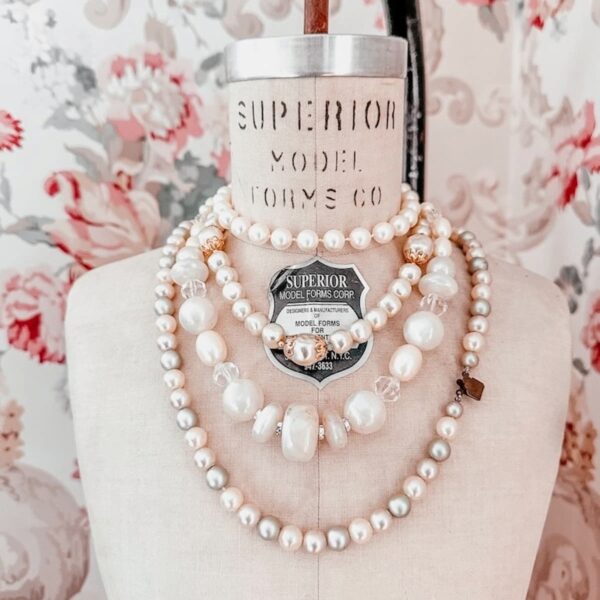
Mannequin Decoration Ideas to Dress Up Every Season, Room, or Display
From vintage Christmas displays to spring florals and shop window styles, discover creative ways to dress up mannequins and bust forms for your home, craft room, or booth.
Essential Items for Your First Vintage Booth
Setting up your first vintage booth doesn’t require a huge investment, but a few thoughtful essentials can make a big difference in how your booth looks, feels, and sells.
These are some of the most important vintage booth setup pieces I’ve used, starting with one of the smallest, but most impactful, details: your price tags.
Pro Tip
If you’re looking for a full vintage booth essentials checklist, I share all of my must-haves in my 8 Vintage Booth Essentials Every New Seller Needs Before Opening Day post.
If you’re setting up a booth or reworking your display, follow along on my Vintage Booth Display & Styling Ideas Pinterest board for inspiration on creating layered, inviting booth spaces, with ideas for setup, visual merchandising, layout, pricing, and selling vintage and antique finds.
Vintage Booth Custom Price Tags That Make a Big Difference
Price tags may seem like a small detail, but they play a big role in how customers experience your vintage booth.
Clear, well-designed tags make it easy for shoppers to understand pricing, feel confident in what they’re buying, and connect with the story behind each piece. They also help your booth feel more polished and intentional rather than thrown together.
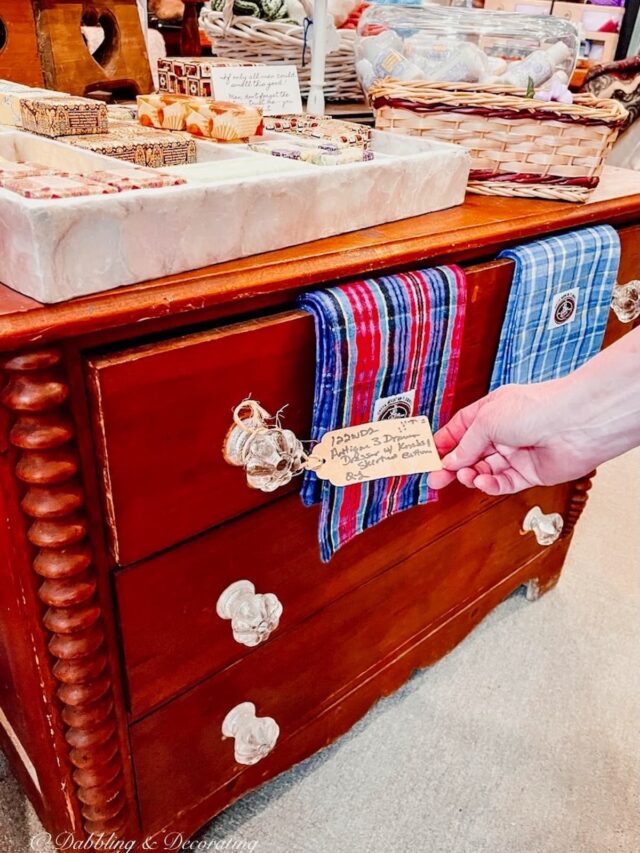
When I first started, I used simple sticker tags for smaller items, which worked well. But as I refined my booth, I found that larger, hanging price tags made a noticeable difference.
They were easier to read, more visually appealing, and gave me space to include helpful details that made items feel more approachable and easier to understand.
Here’s what I recommend including on your vintage booth price tags:
- Price (clear and easy to find)
- Item description (what it is, especially for unique or uncommon pieces)
- Approximate age or era (when known, this adds value and interest)
- Suggested use or styling idea (helps customers imagine it in their home)
- Vendor number or booth ID (required for most antique malls)
- Brand, maker, or origin (if known, great for collectors)
- Stamped logo or custom tag design (adds personality and brand consistency)
Taking the time to include a bit more information can really set your booth apart, especially since many vintage items aren’t immediately recognizable to every shopper.
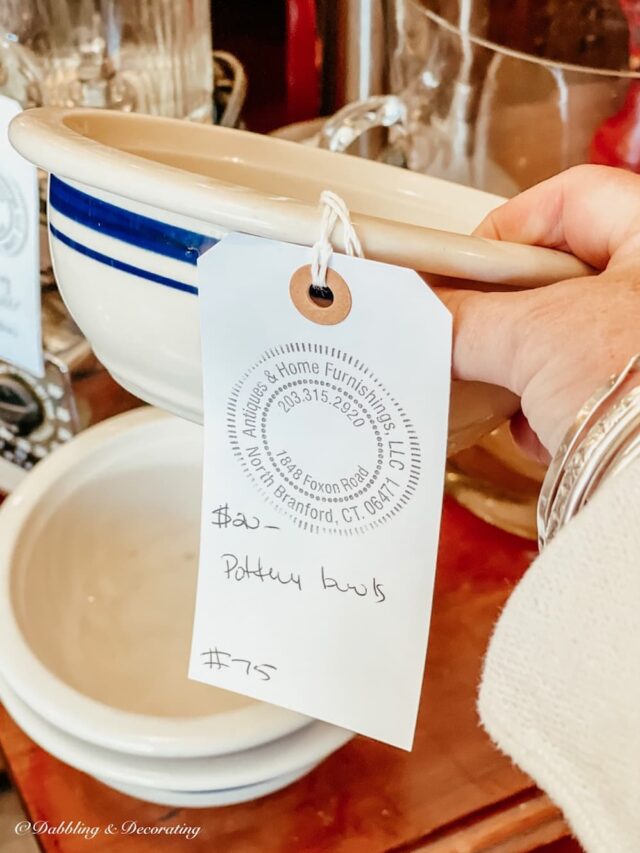
Pro Tip
Price your items before you bring them into your vintage booth. It’s so much easier to do it at home, where you can spread out, think clearly, and stay focused. Once you’re at the booth, it can get busy fast. Customers start chatting, things get rearranged, and suddenly you’re trying to write tags with no place to sit. Trust me, having everything priced and ready to go makes setup smoother and a whole lot less stressful.
This post may contain affiliate links, which won’t change your price but will earn us commission.
Where to Buy Vintage Booth Price Tags
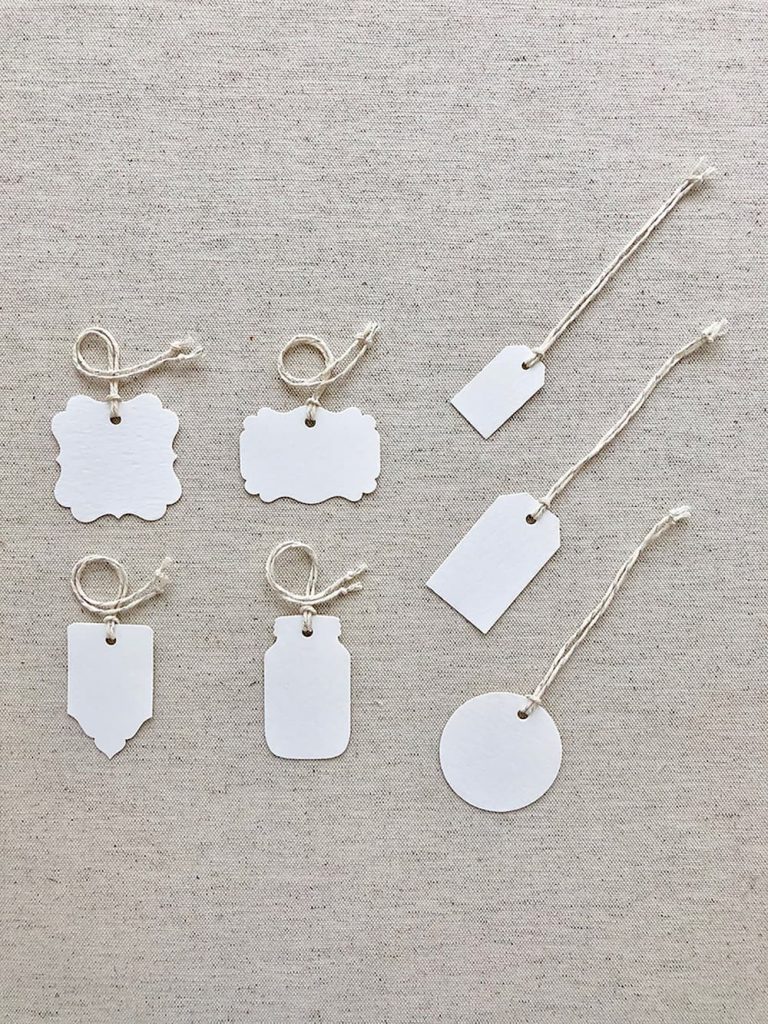
I’ve found that Etsy is one of the easiest places to find vintage booth price tags in a variety of styles, from simple tags to more detailed, custom designs.
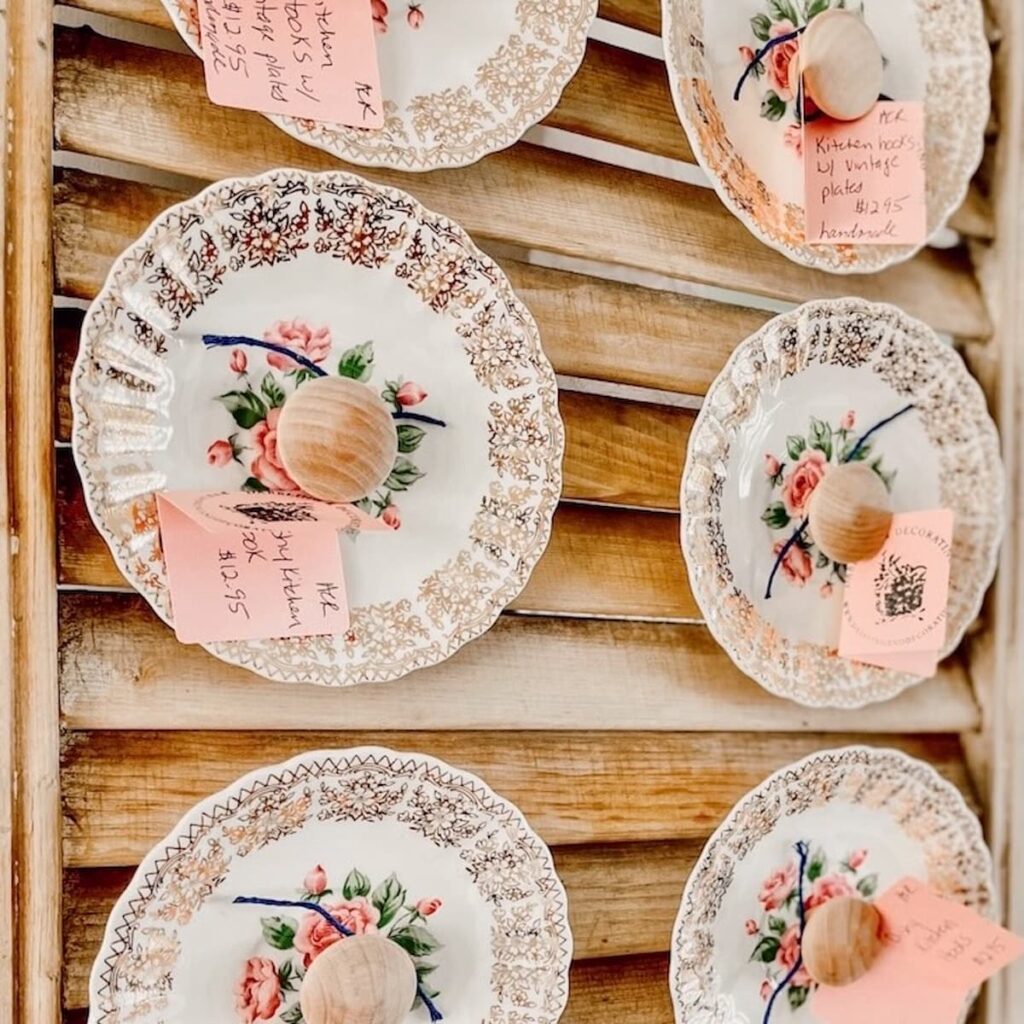
When I first started, I used these smaller tags with jute twine. They were pretty, but I quickly realized they were a bit too small for larger items or busy displays. Larger tags, or these folding tags, are much easier for customers to see and give you more room to include details.
You can also add a custom logo stamp for a more cohesive, branded look. I sourced mine on Etsy as well, and it’s a simple way to elevate your booth.
Try a Styling Tip!
Looking for simple, vintage-inspired decorating ideas you can try in an afternoon? Explore all my Styling Tips for easy seasonal projects, quick DIYs, and creative ways to style your home with charm.
Vintage Booth Signage: Make a Great First Impression
Signage is one of the easiest ways to make your vintage booth feel inviting, memorable, and easy to shop. It tells customers who you are, what you’re selling, and helps guide them through your space without you being there.
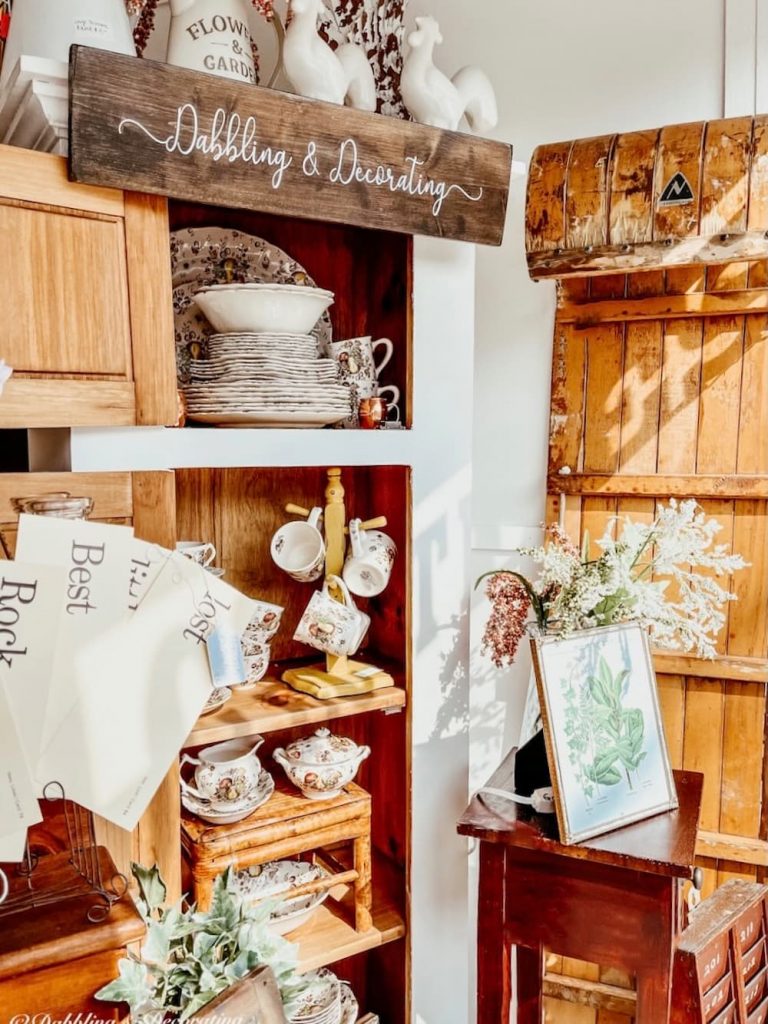
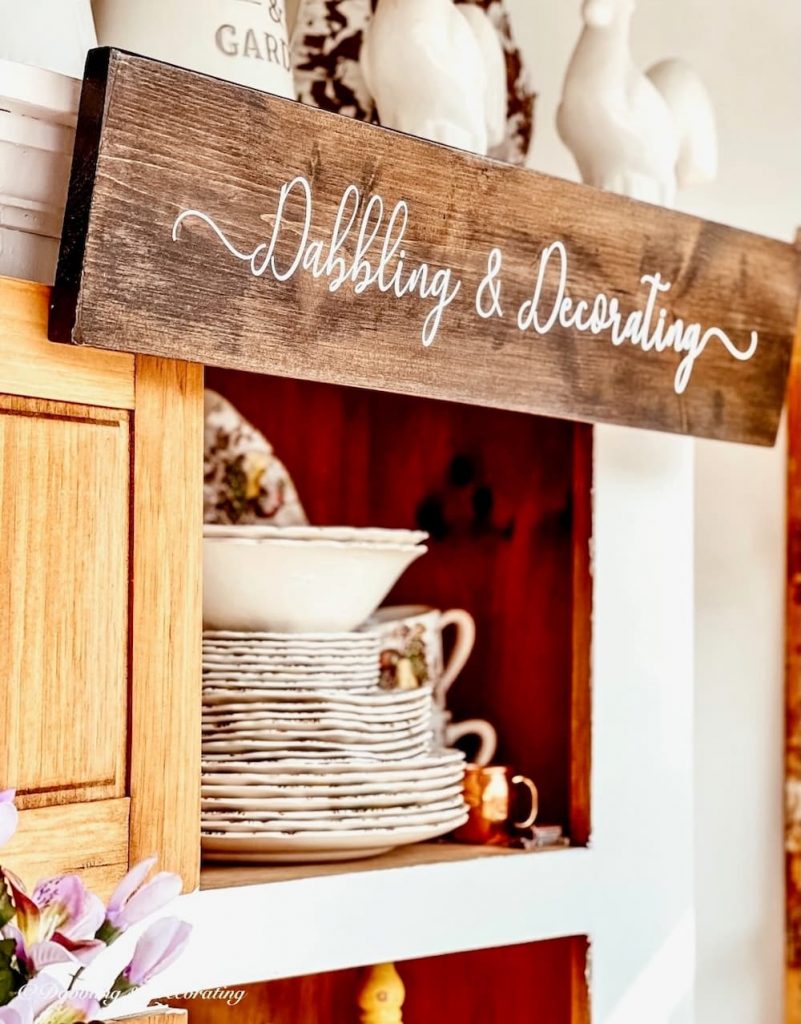
For my booth, I purchased this custom logo sign with my blog name, Dabbling & Decorating. It added a cohesive, branded feel and helped my booth stand out in a busy antique shop.
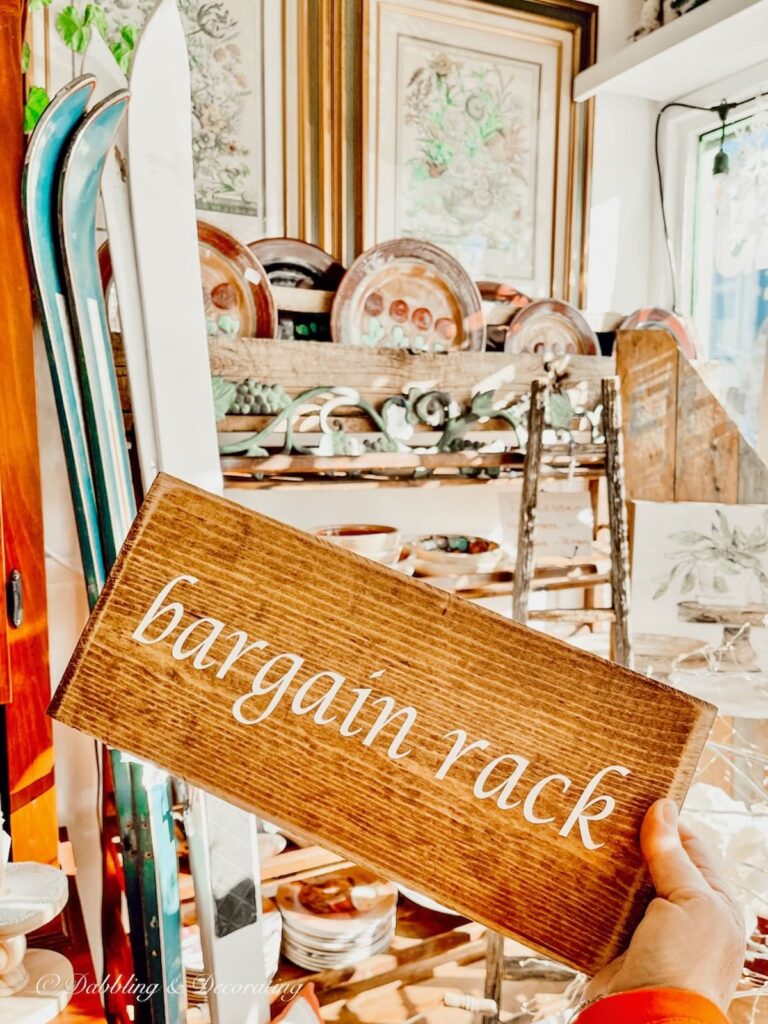
I also used smaller, intentional signs throughout the booth, like this simple “Bargain Rack” sign to highlight discounted pieces. That one always caught attention and naturally pulled shoppers in.
Beyond labels, signage is also a great way to connect with your customers. Adding a short note, styling idea, or a quick story about a piece can make it feel more personal and help shoppers understand what they’re looking at, especially with unique or unfamiliar items.
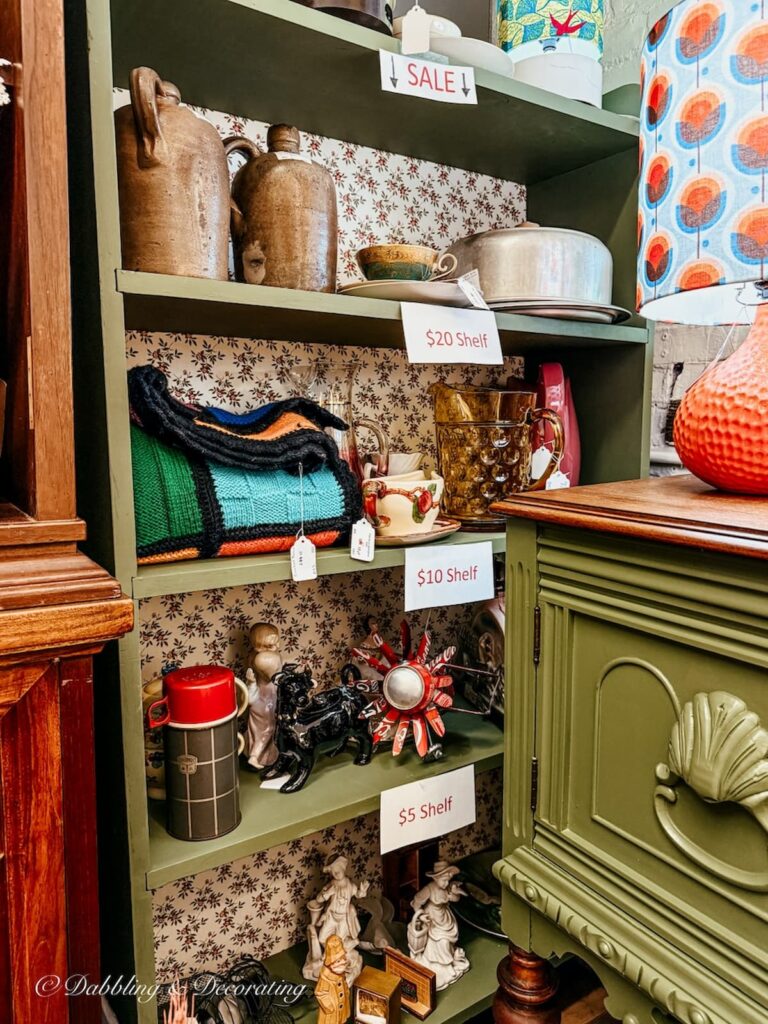
A few well-placed signs can:
- draw attention to key pieces or sales
- help customers navigate your booth
- add personality and storytelling
- and create a more polished, professional look
Thoughtful signage doesn’t just decorate your booth; it helps sell your items and makes your space more memorable.
Vintage Finds, Modern Headlines
Who knew a love of old treasures could lead to so many fun features? See them all here.
Vintage Booth Tools You’ll Be Glad You Have
Let’s talk tools, because having a small, dedicated tool kit at your vintage booth can save you a lot of time and frustration.
One of the best pieces of advice I ever got? Keep your own set of tools. I use this bright pink tool kit, and not only does it make me smile, but it also means no one else “borrows” them and forgets to return them. It’s simple, and it works.
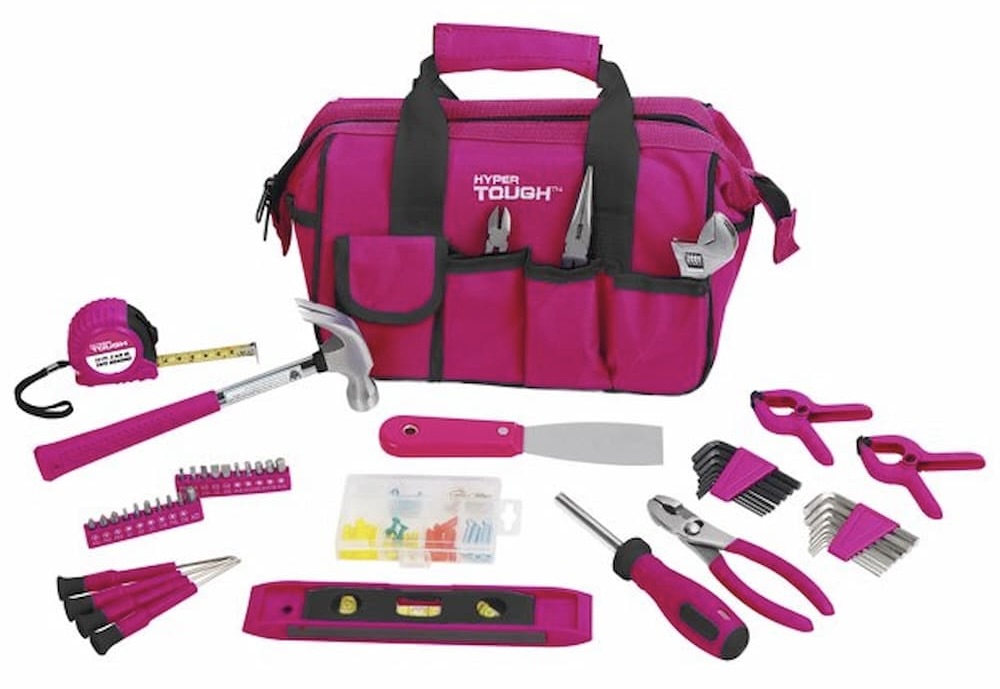
Having a ready-to-go vintage booth tool kit makes it easy to handle all the little things that come up, like adjusting displays, hanging art, fixing wobbly pieces, or adding last-minute price tags.
I also like to keep a few extra supplies tucked inside so everything I need is in one place and easy to grab.
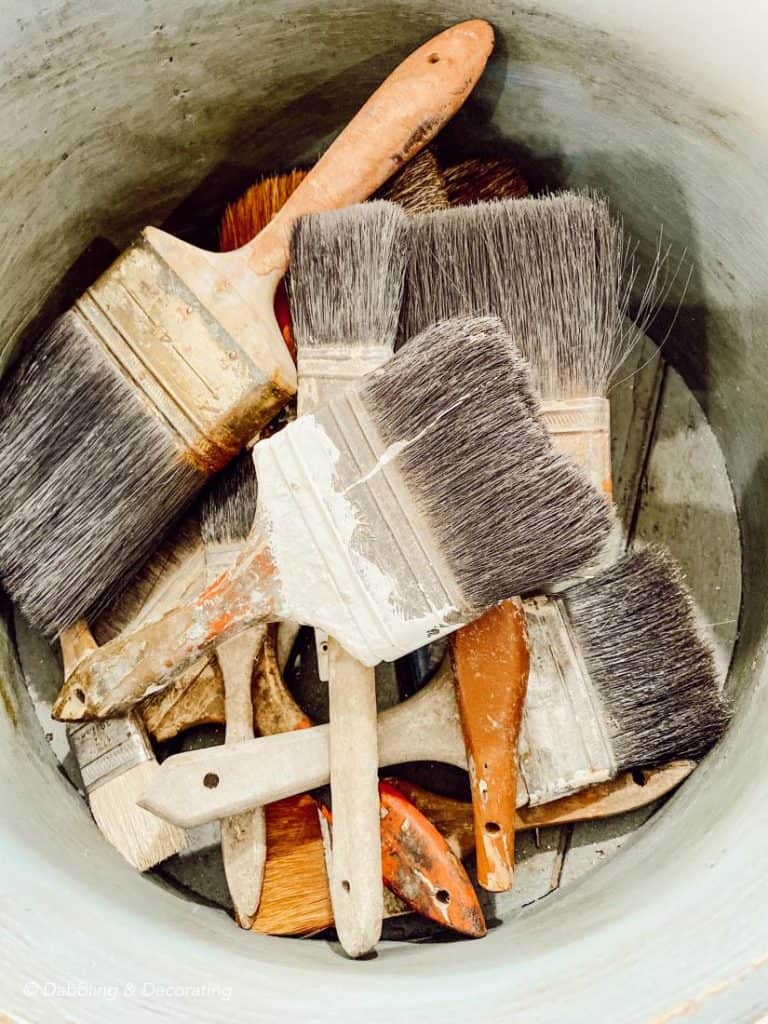
Easy DIY Home Decor Projects with Vintage Style
Explore our easy DIY home decor guide with vintage style, using thrifted and repurposed finds. Simple, beginner-friendly ideas to decorate your home with charm.
What I Keep in My Vintage Booth Tool Kit
Keeping a simple tool kit on hand helps you maintain your booth quickly and keep everything looking polished and shop-ready.
Bonus Tip: Keep a Few Quick Sale Signs Handy
I also like to keep a few bright, colorful sale signs, like neon stars, circles, or arrows from the dollar store, tucked inside my tool kit. They’re perfect for quick markdowns when I want to move items fast. A handwritten “30% Off!” or “Sale Today!” sign with a Sharpie can grab a shopper’s attention and help clear out inventory in a flash.
Know Your Customer: How to Stock a Vintage Booth That Sells
One of the biggest things I learned after opening my vintage booth is this: what sells isn’t just about what you love, it’s about what your customers are looking for. And that can vary a lot depending on where your booth is located.
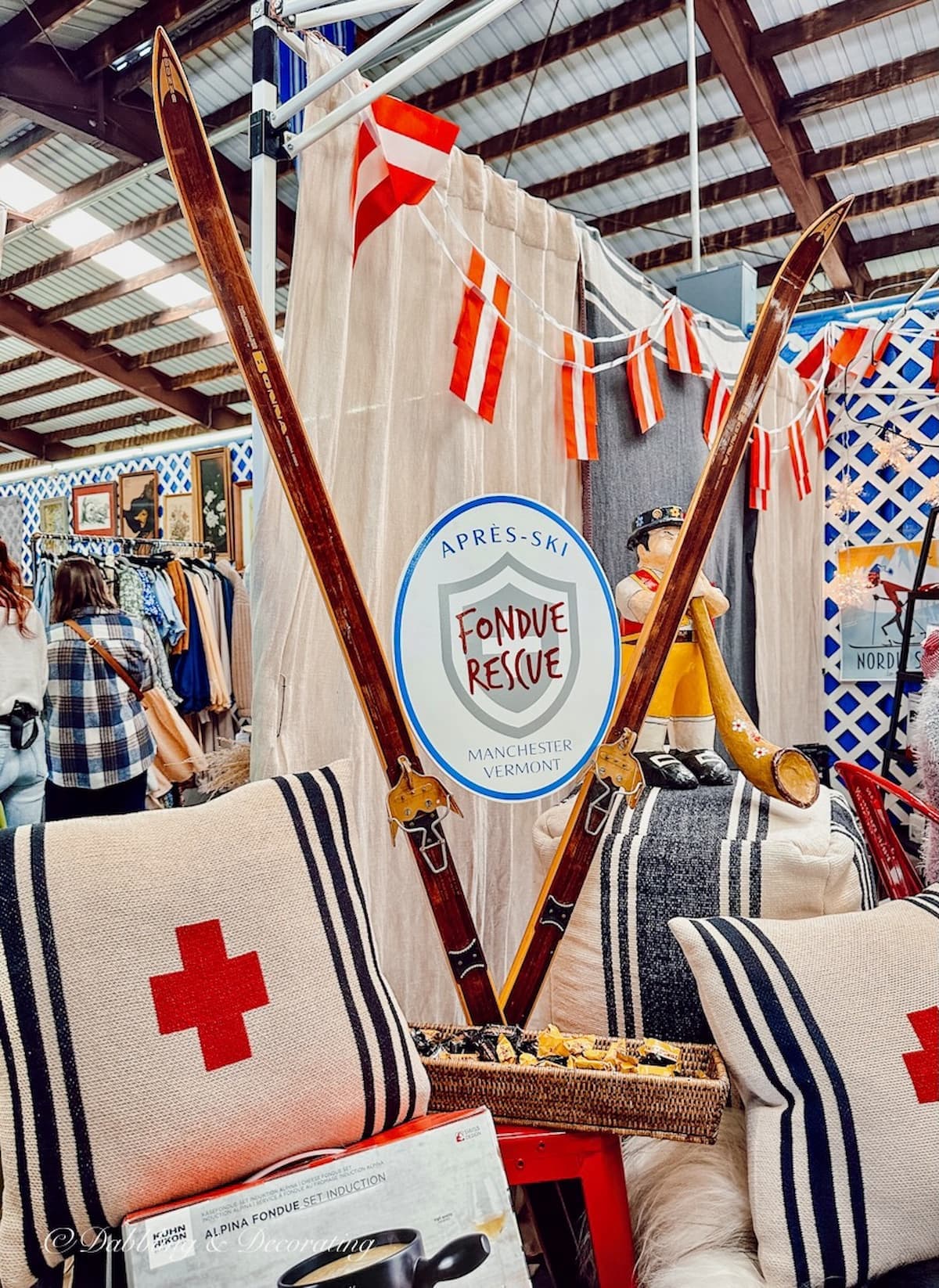
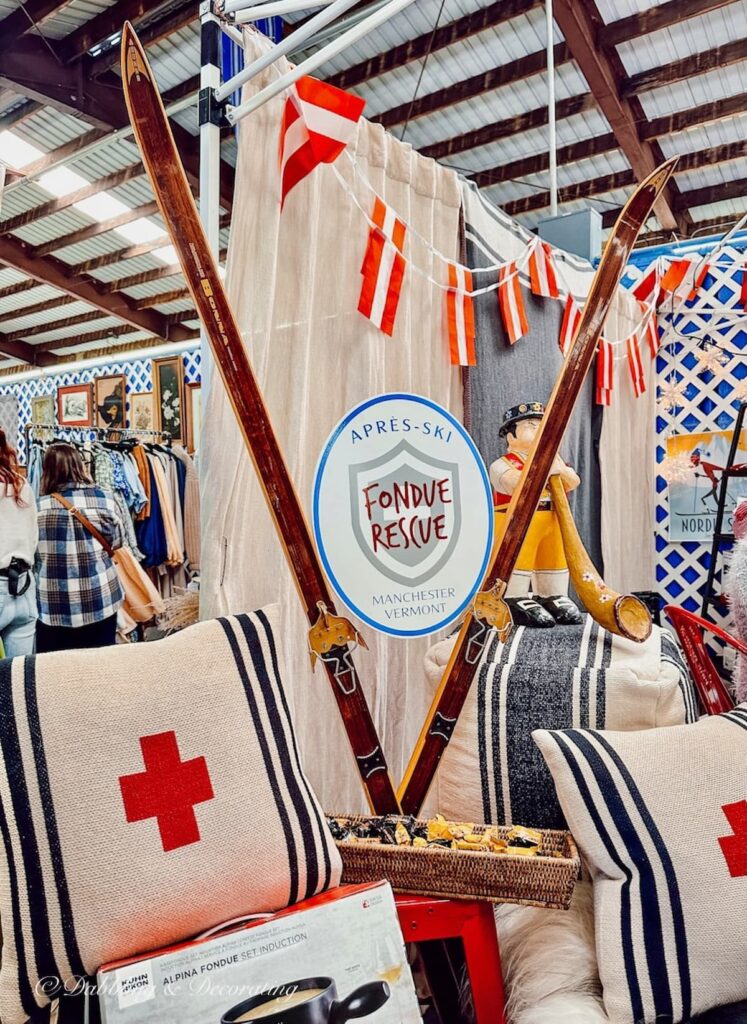
My booth was in Manchester, Vermont, a busy four-season resort town. After spending time watching what shoppers were drawn to, one thing became very clear: vintage ski lodge decor always sold quickly.
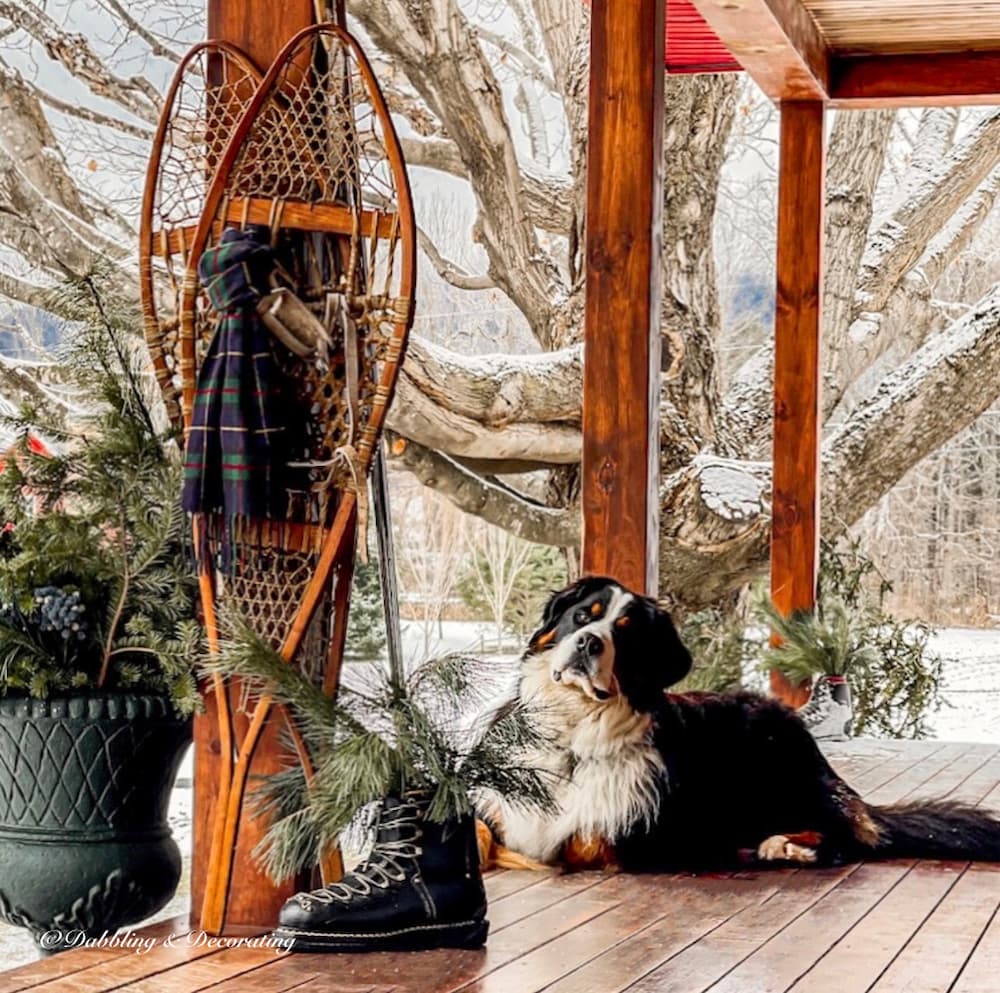
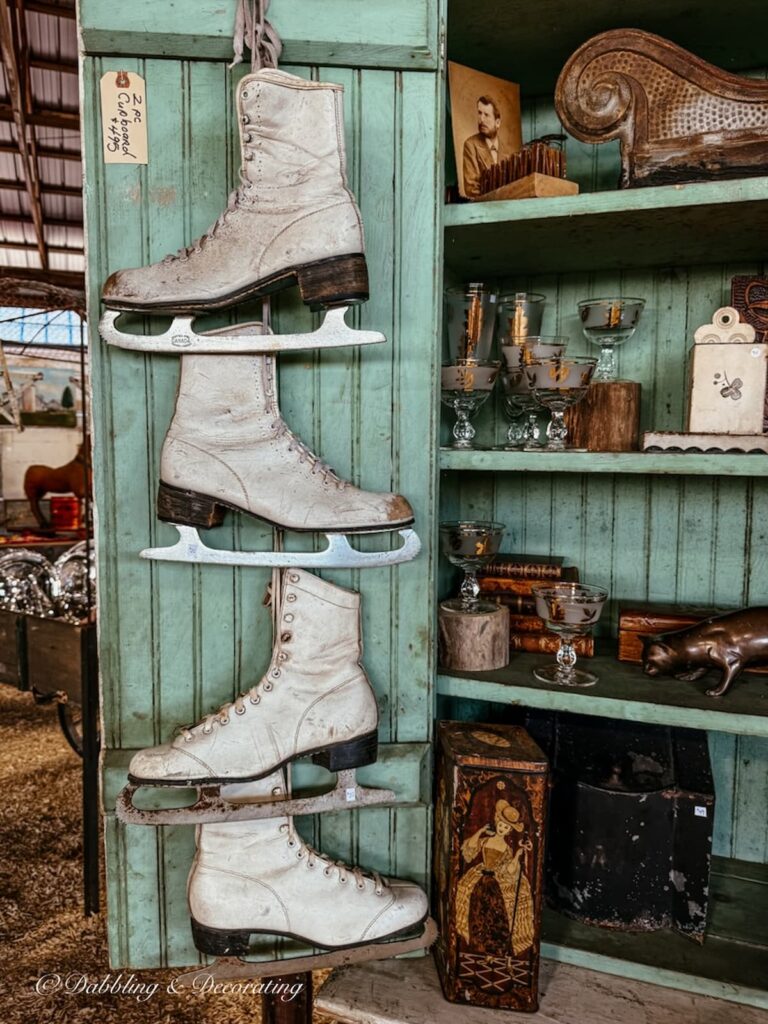
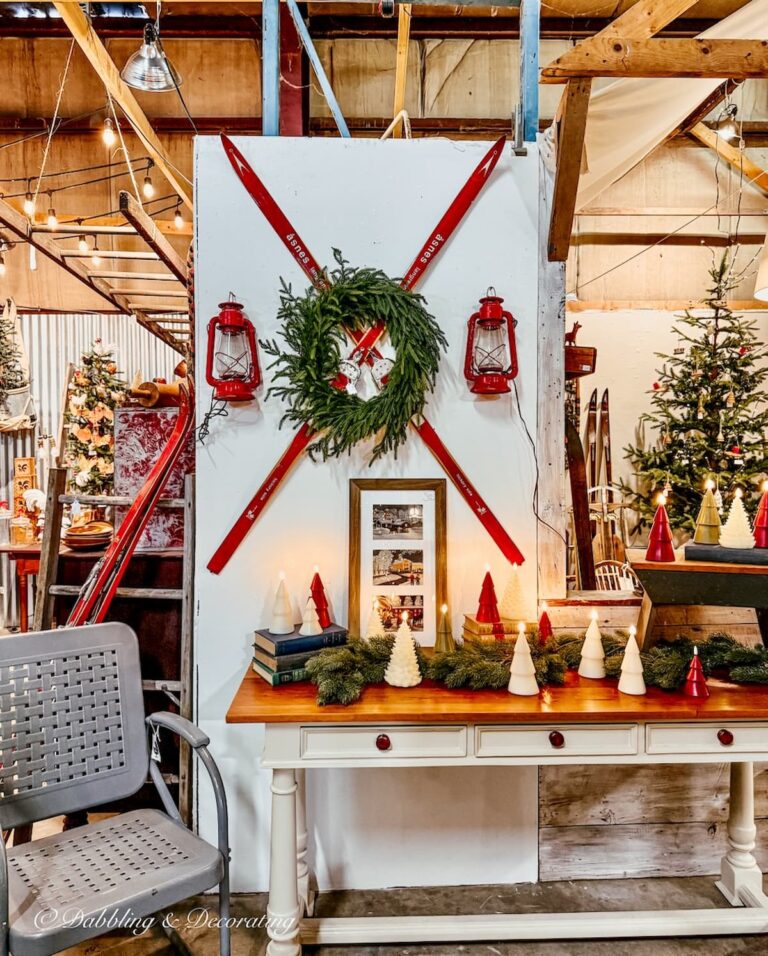
Vintage skis, snowshoes, sleds, wool blankets, and cozy winter pieces would fly out of my booth, especially with visitors coming in from places like New York City looking for that classic Vermont mountain feel.
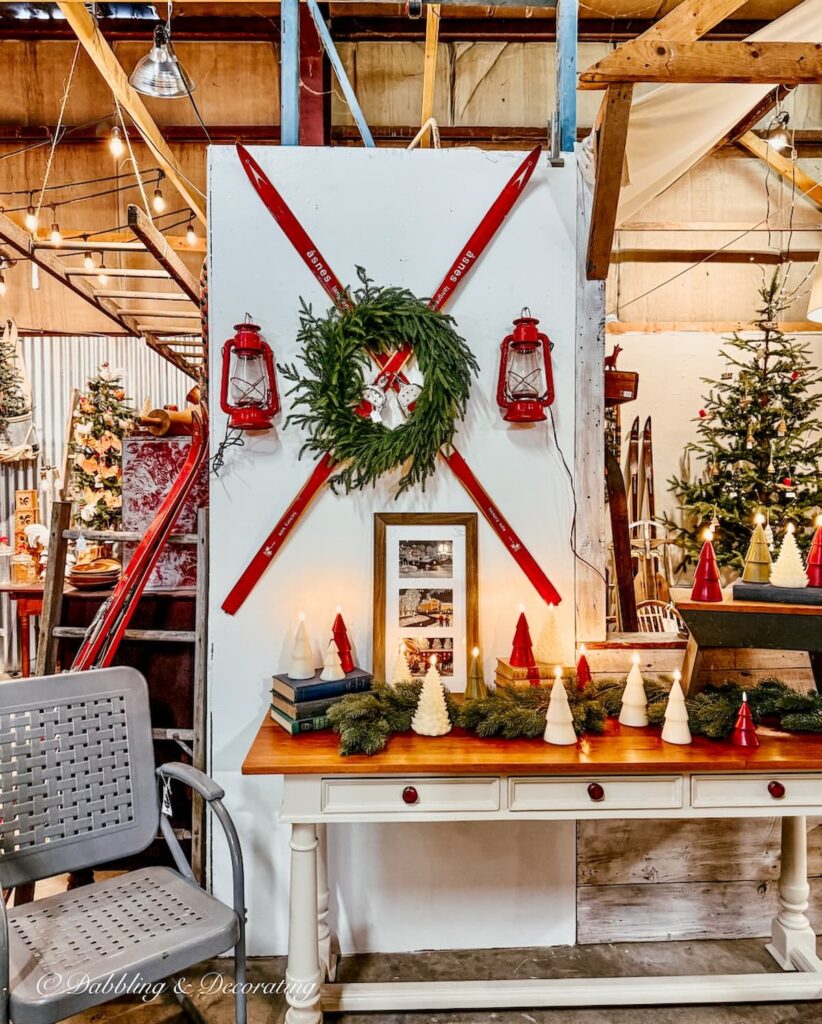
That experience completely shifted how I think about stocking a vintage booth.
In other areas, the demand might look very different. A downtown antique shop may lean more toward mid-century, farmhouse, or urban styles, while a lake or cabin region might favor vintage camp decor like thermoses, coolers, and plaid textiles.
The key is to pay attention to what your shoppers are naturally drawn to and lean into it.
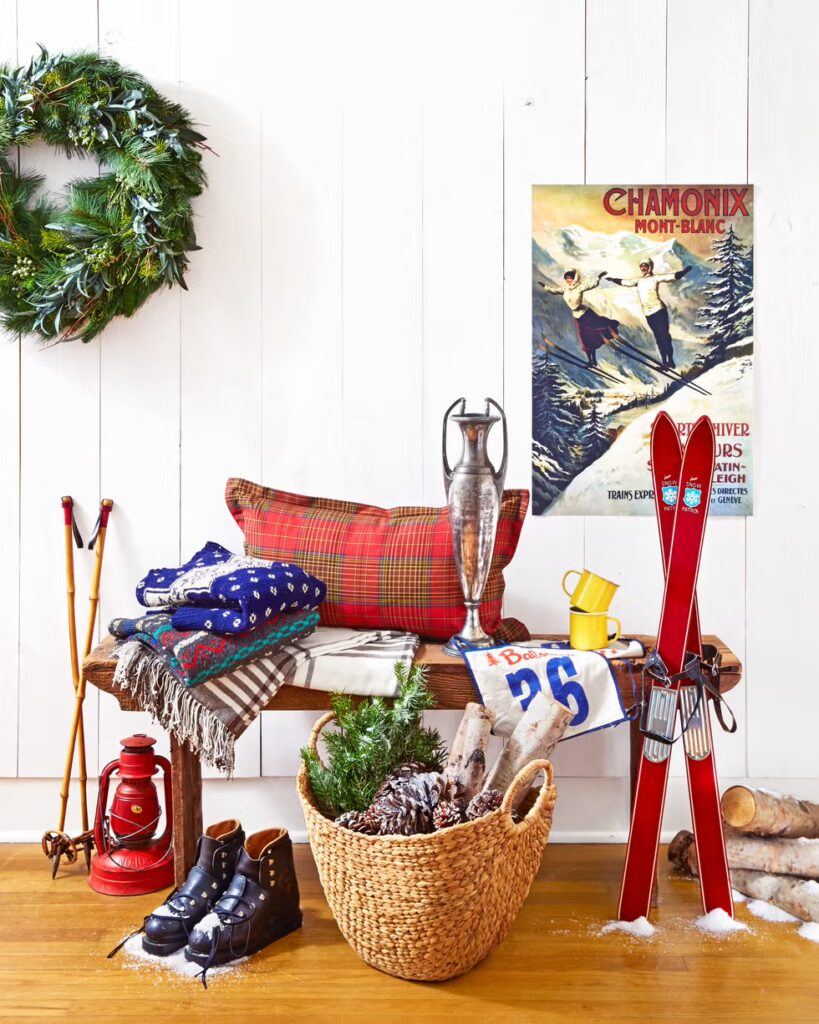
As Featured in Country Living
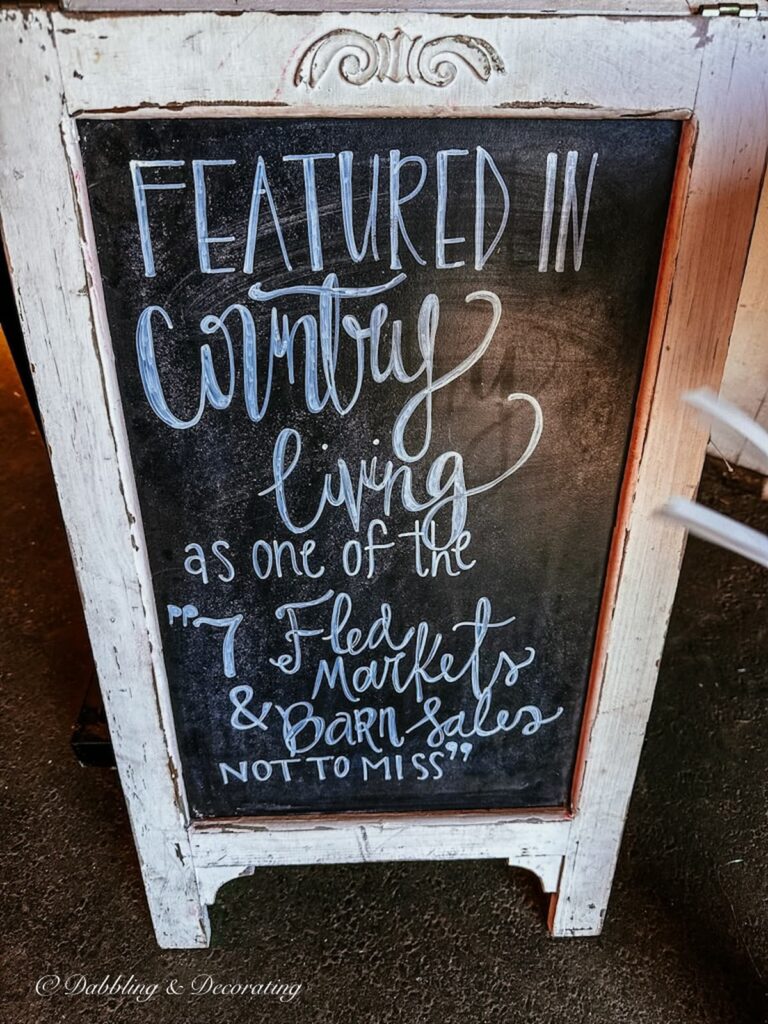
My Vintage Ski Lodge Decor series was recently featured in Country Living and syndicated internationally in Elle Decor Italia and ELLE Netherlands in “5 Antiques That Sell Out Every Winter, According to Antiques Dealers.” If you love decorating with vintage skis, snowshoes, sleds, and toboggans, read the full piece here, then scroll my series for ski lodge styling ideas and real-life vintage finds.
My Biggest Vintage Booth Takeaway: Choose a Clear Theme
If I were starting a vintage booth again today, I would choose a clear theme from the very beginning. In my case, I would go all in on vintage ski lodge decor. Not only does it sell well in my area, but having a focused theme would make everything easier: shopping, styling, pricing, and keeping the booth cohesive.
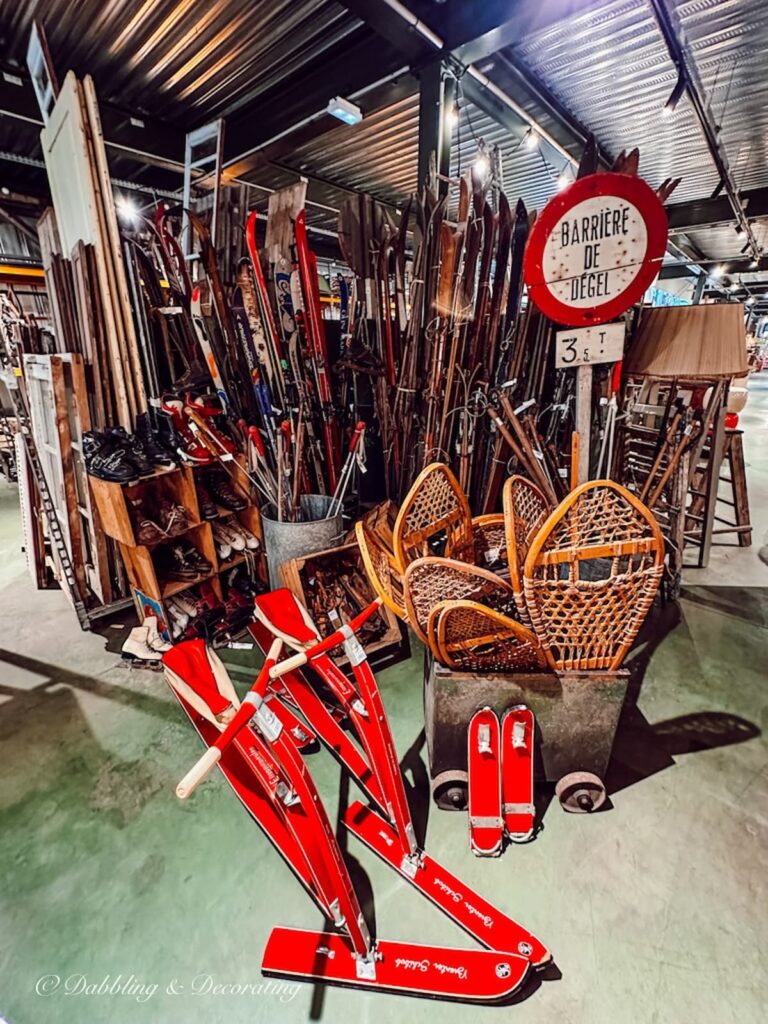
A themed booth also makes it easier for customers to quickly understand your space. Instead of feeling like a mix of random items, it becomes a destination they recognize and remember. Whether your style is cottage, primitive, coastal, ski lodge, or something else entirely, having a direction helps both you and your shoppers.
If you’re looking for more booth styling inspiration, I share some of my favorite vintage booth displays in this post: 9 Vintage Booth Displays That Made Me Stop (And What You Can Learn From Them).
A New England Guide to Vintage Ski Lodge Decor
Love cozy winter charm and antique alpine finds? Don’t miss our Vintage Ski Lodge Decor Guide, where I share nostalgic winter decorating ideas, vintage ski gear styling, and charming pieces inspired by Vermont’s snowy mountain life.
What Sells Best in a Vintage Booth
One of the biggest questions when starting a vintage booth is: What actually sells?
The answer will always depend on your location, your customer base, and the type of shop you’re in. What sells quickly in a Vermont resort town may look very different from what sells in a city or coastal area. That said, there are a few categories and patterns I’ve seen consistently perform well.
Seasonal and Local Finds Always Win
Seasonal decor is one of the easiest ways to drive sales. Shoppers are naturally looking for items they can use right now, whether that’s fall decor, holiday pieces, or spring styling accents.
In my area, vintage ski lodge decor, like skis, snowshoes, and cozy winter pieces, was always a top seller. Leaning into your region and what visitors or locals are looking for makes a big difference.
Small, Easy-to-Buy Items Add Up Quickly
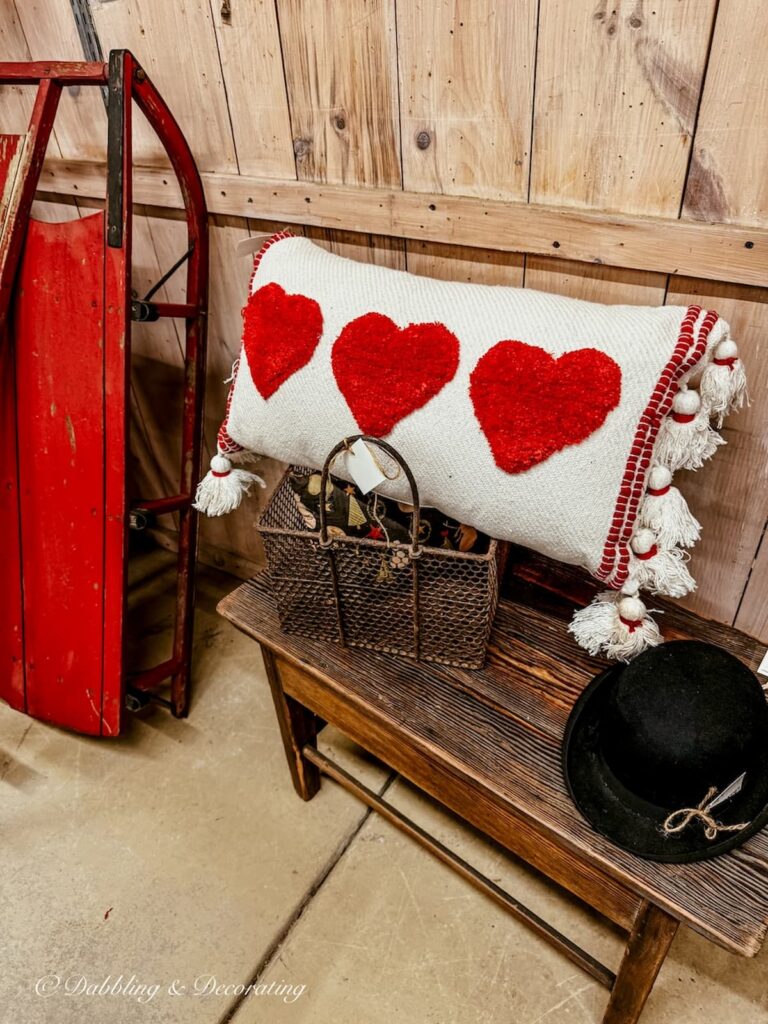
Lower-priced items are some of the fastest sellers in a vintage booth. Things like vintage books, postcards, ornaments, and small decor pieces are easy for shoppers to pick up without overthinking. They also help create steady, consistent sales throughout the month.
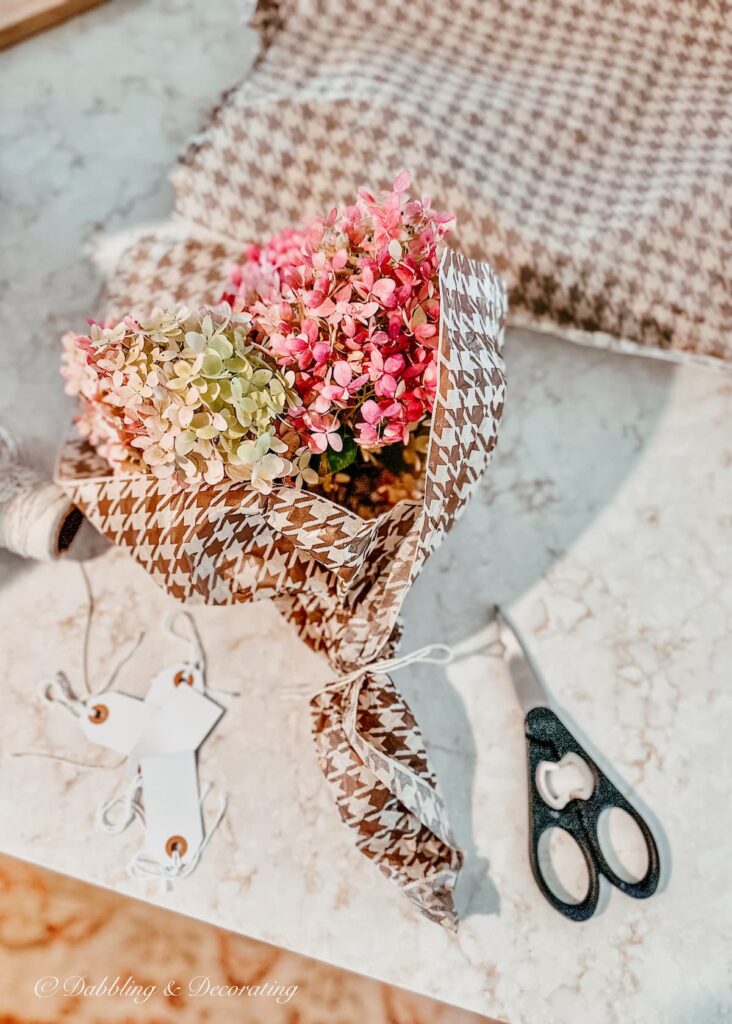
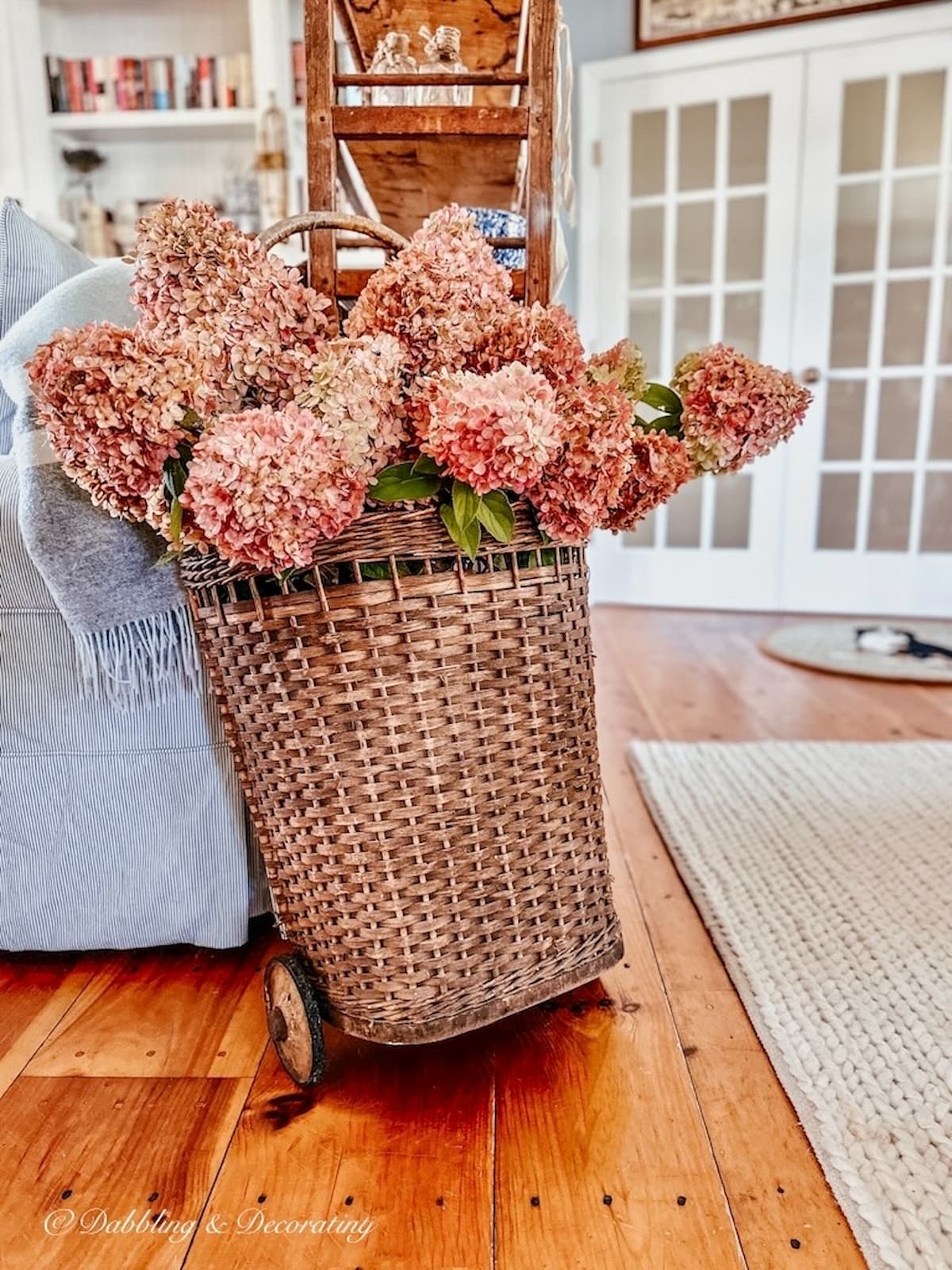
I had great success bundling items together to make them even more appealing. In the fall, I would sell small bundles of dried hydrangeas, just three stems wrapped in paper and tied with jute, and they would sell out in a day.
During the holidays, I filled a basket with small decorative owls at a low price point, and they flew out of the booth just as quickly. Grouping items like this creates a sense of abundance and makes it easy for shoppers to grab one or several.
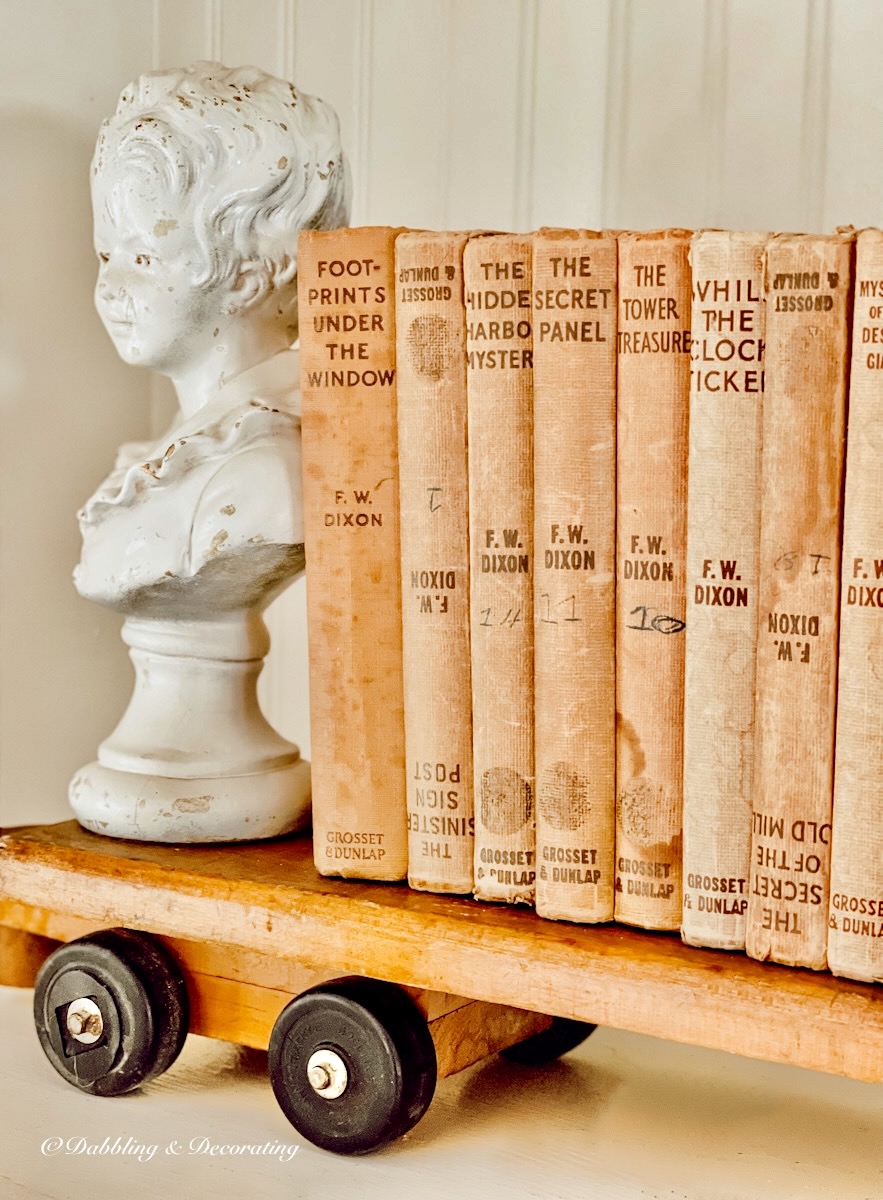
Decorating with Old Books, Your Vintage Styling Guide
Looking for creative ways to decorate with vintage books? This guide shares over 30+ unique styling ideas using old books in table settings, shelves, mantels, and more. Whether you’re a seasoned collector or new to thrifting, you’ll find easy, budget-friendly inspiration to layer in character and charm.
Larger Anchor Pieces Draw People In
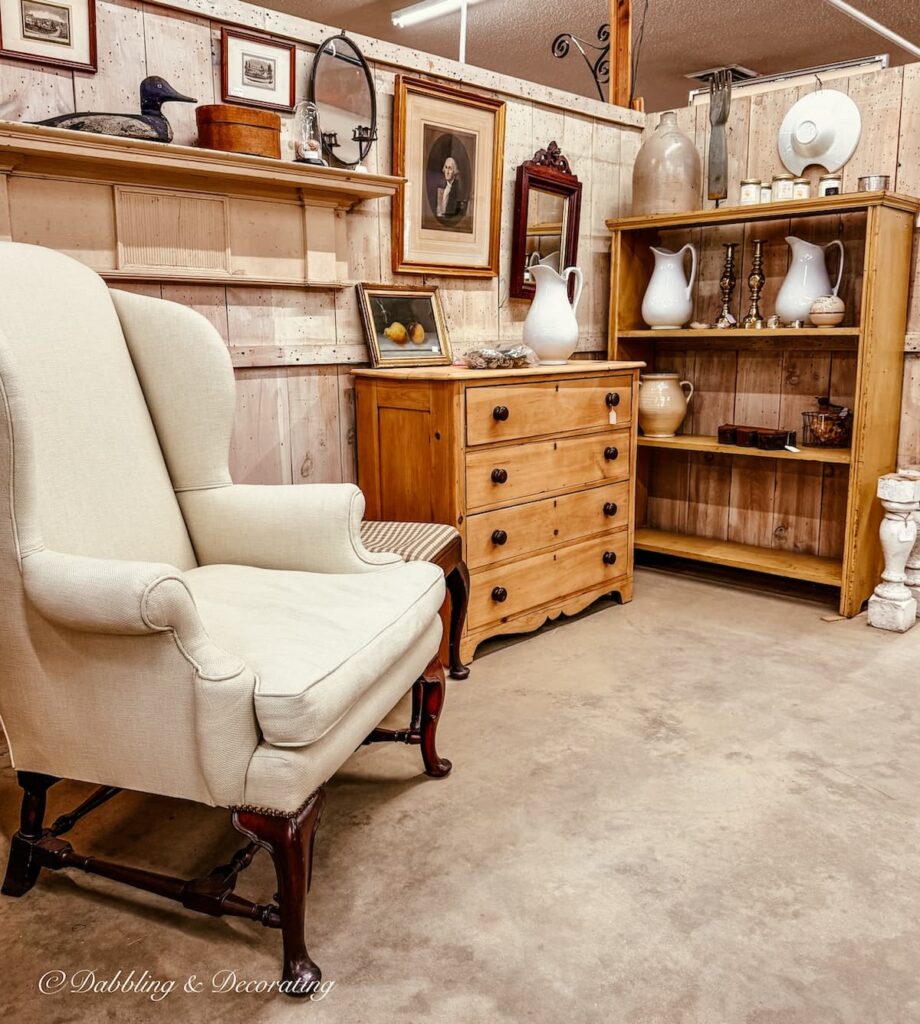
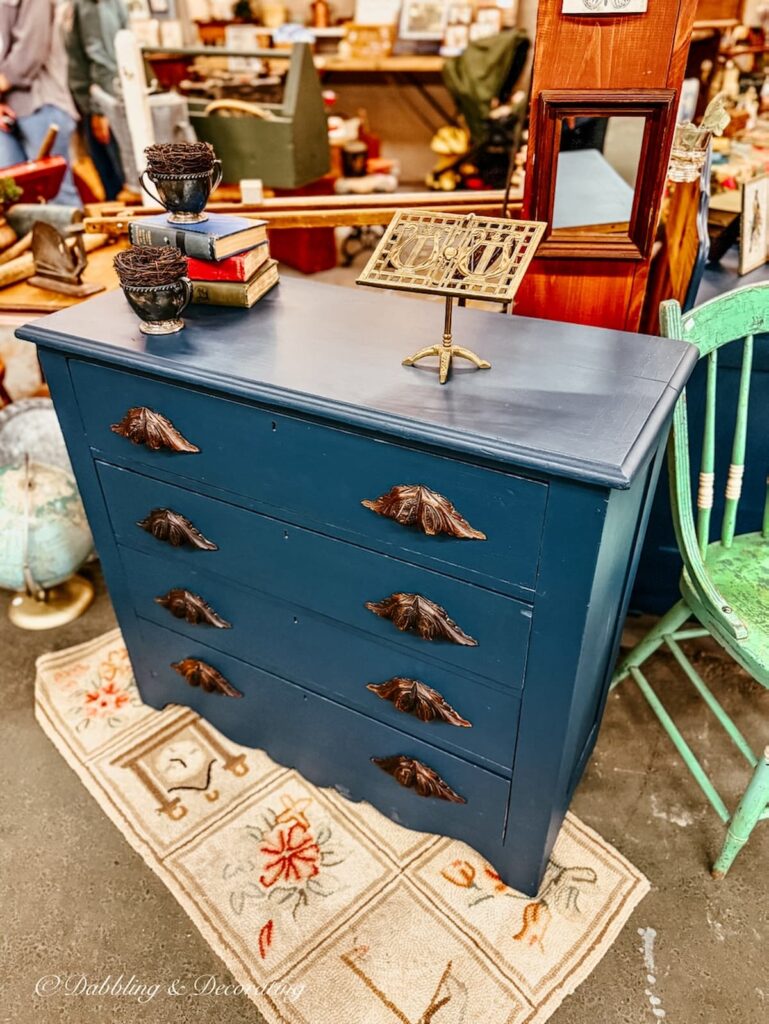
Having one or two larger pieces in your booth, like a dresser, cupboard, bench, or bar cart, helps anchor your space and grab attention.
These pieces act as focal points and often bring shoppers into your booth, even if they end up purchasing smaller items. If you enjoy DIY projects, painted or refreshed furniture can be especially appealing and sell quickly when priced right.
Collections Sell Better Than Single Pieces
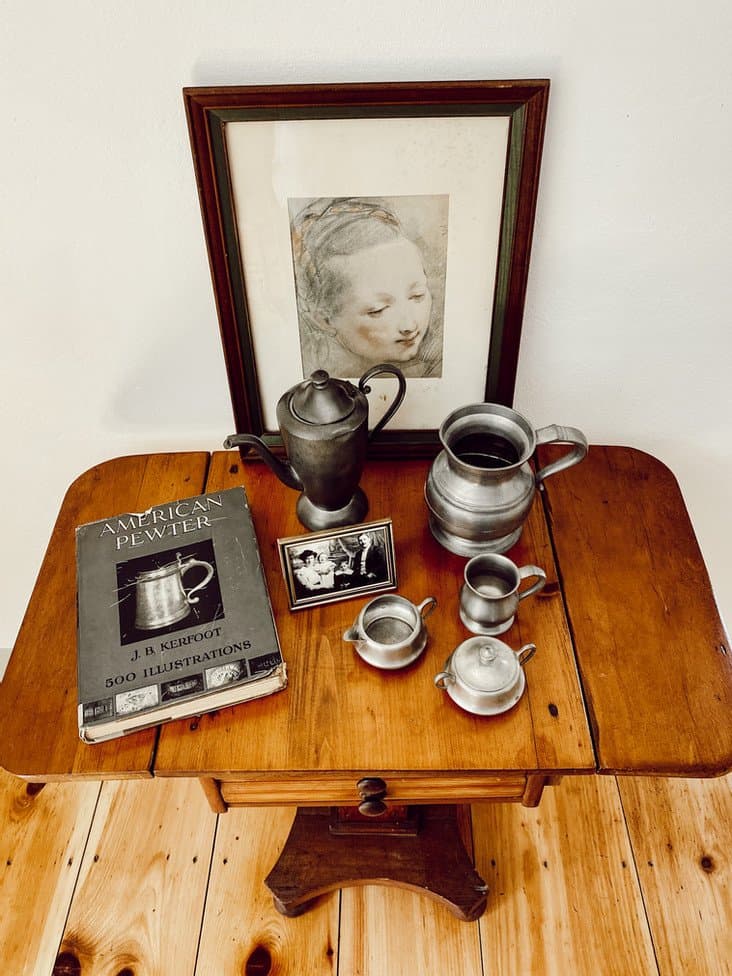
One of the biggest lessons I learned is that collections sell far better than individual items.
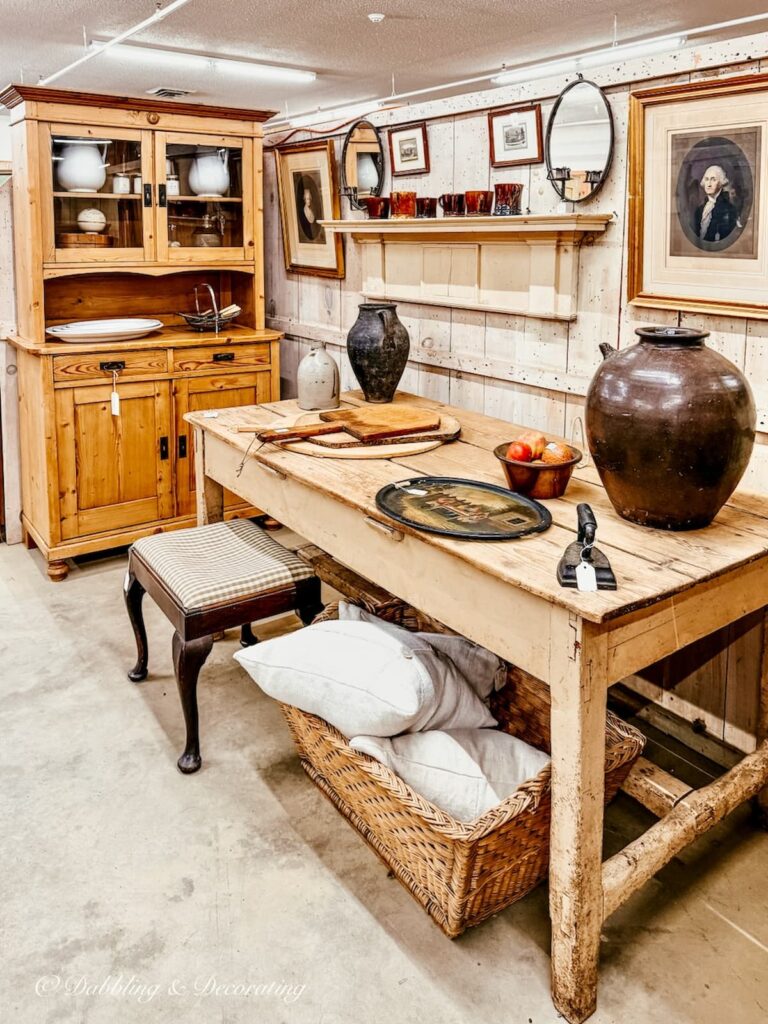
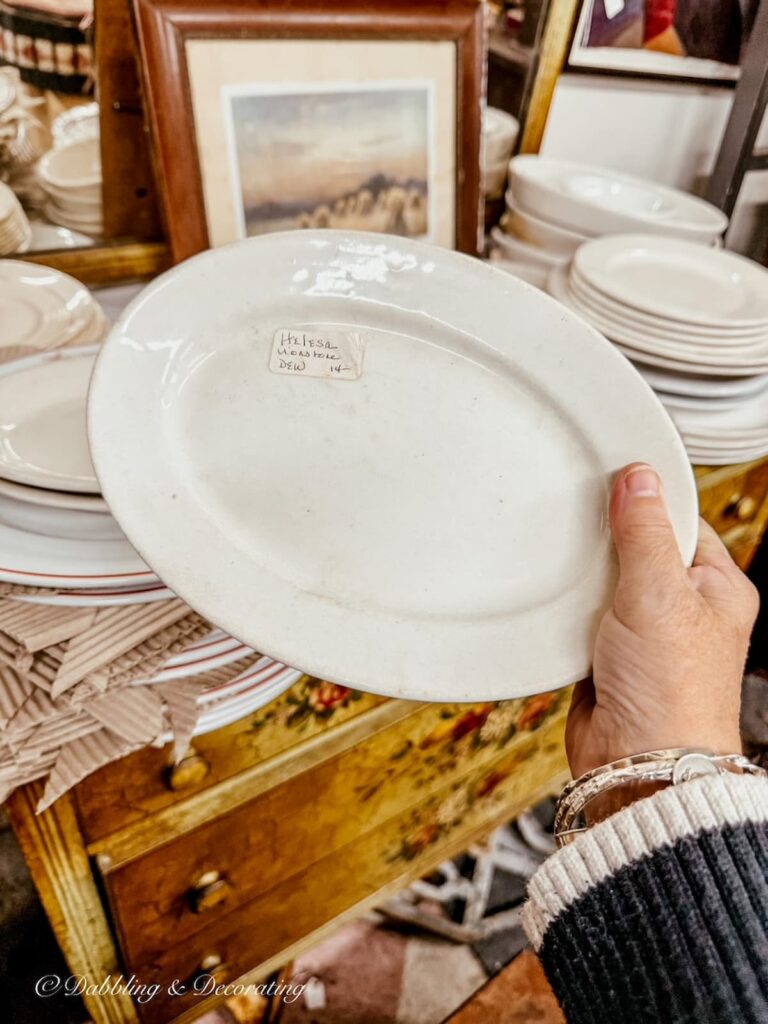
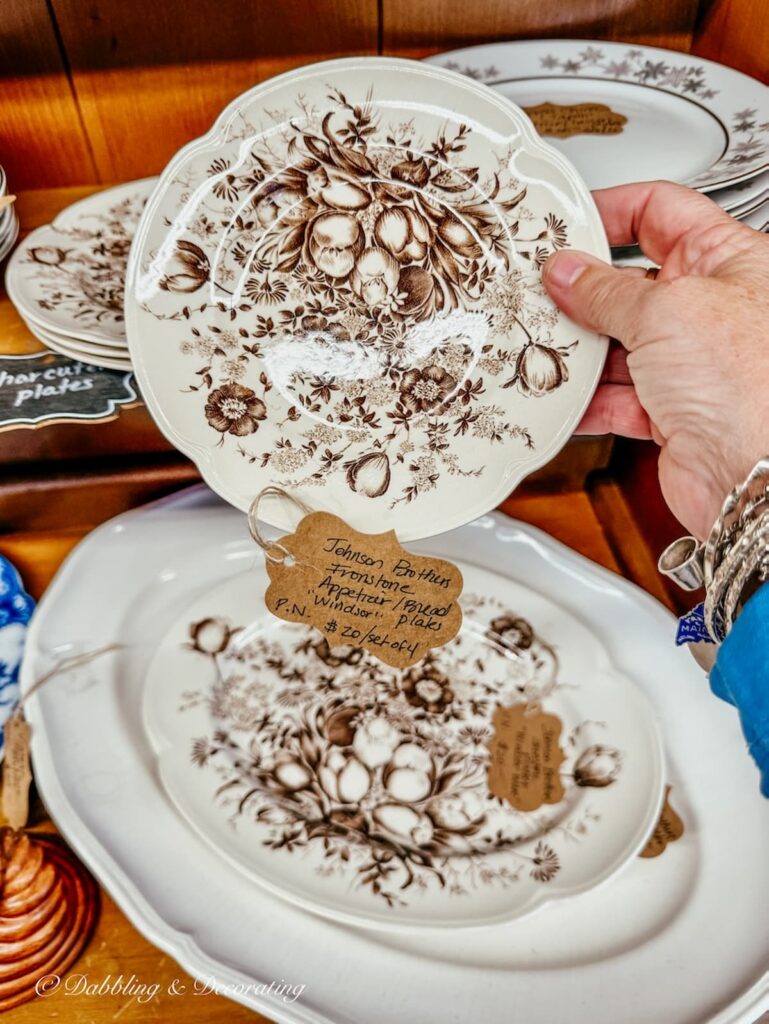
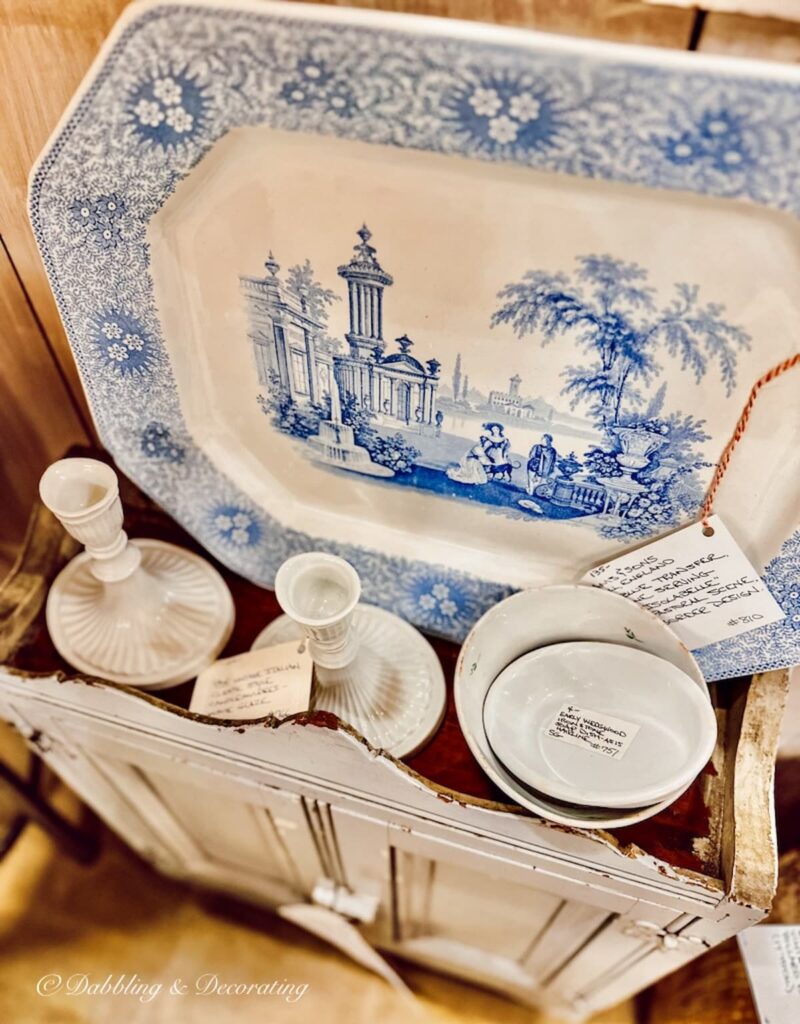
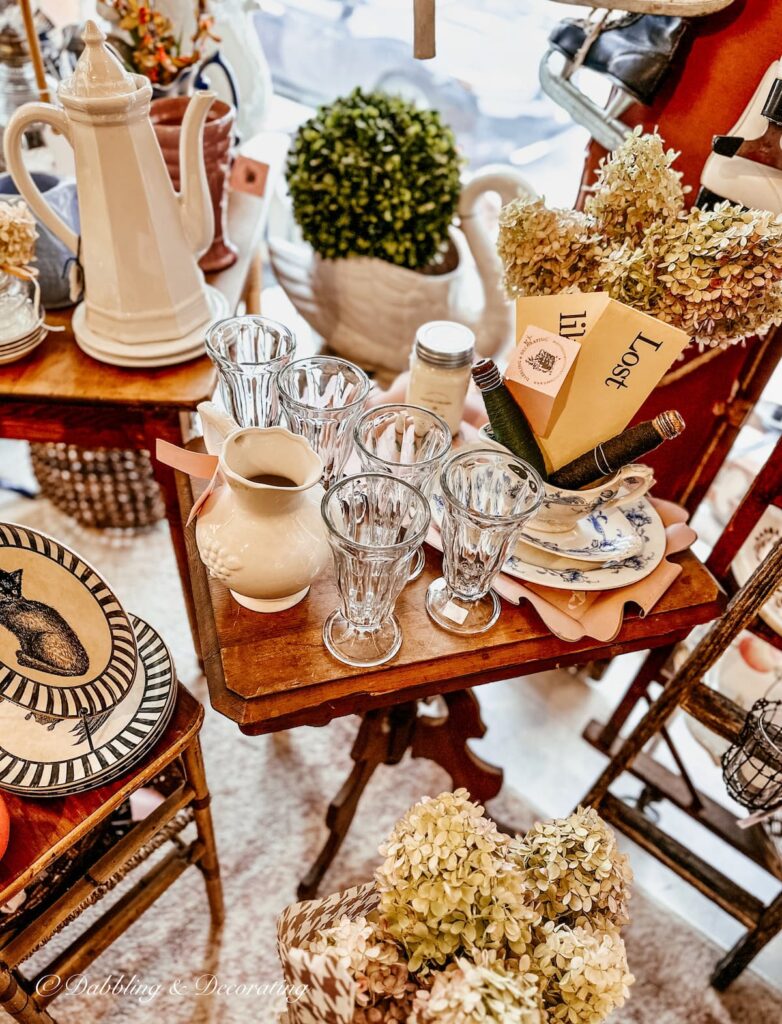
A single ironstone bowl may not stand out, but a stacked display of ironstone or a layered collection of transferware creates visual impact and encourages shoppers to buy multiple pieces.
The same goes for glassware, dishes, and other groupable items. When styled together, they feel more valuable and easier to imagine in a home.
Ready to Embrace Vintage Decorating?
New to vintage collecting? This beginner’s guide will walk you through how to start collecting vintage home decor, what to look for, where to shop, and how to style your favorite finds with confidence.
Already have a collection you love? Don’t miss my favorite decorating with vintage collections ideas with stylish, creative ways to decorate with what you’ve found.
Practical Vintage Pieces Are Always in Demand
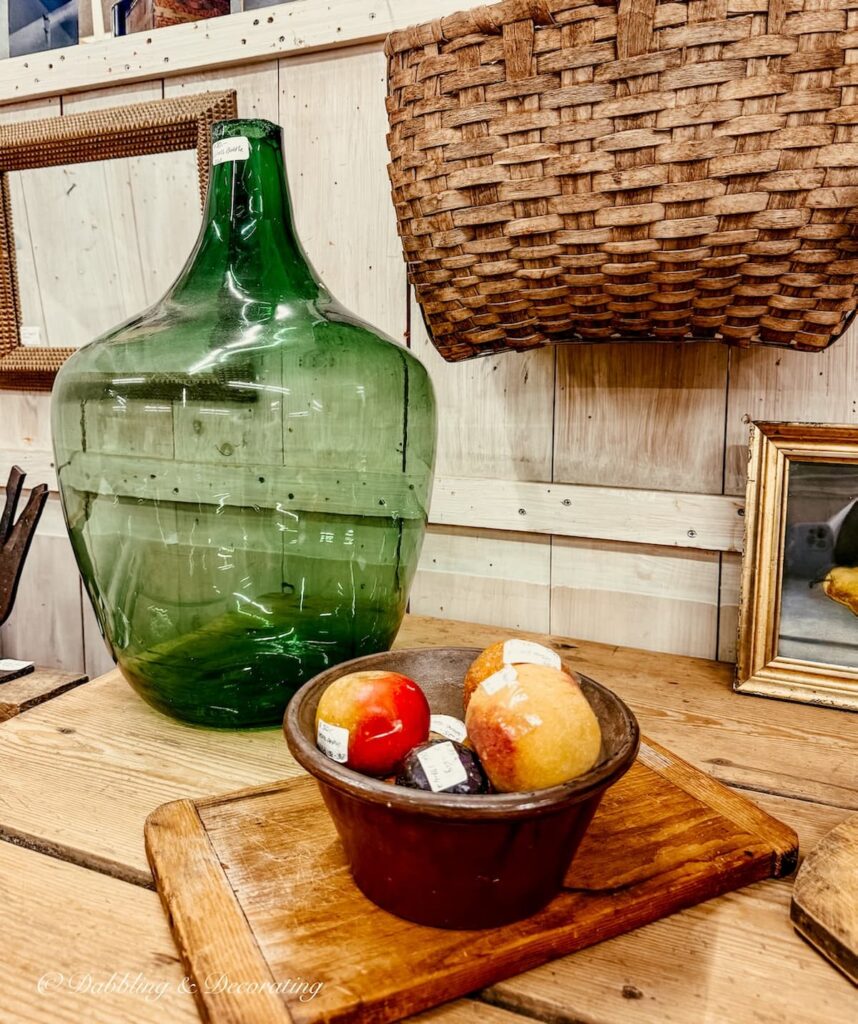
Items people can actually use tend to move quickly. Think vintage pitchers, baskets, textiles, glassware, and everyday serving pieces. These are the kinds of finds that shoppers can easily incorporate into their homes, which makes them more likely to buy.
Architectural salvage is another strong category, unique, one-of-a-kind pieces that add character to a space are always popular.
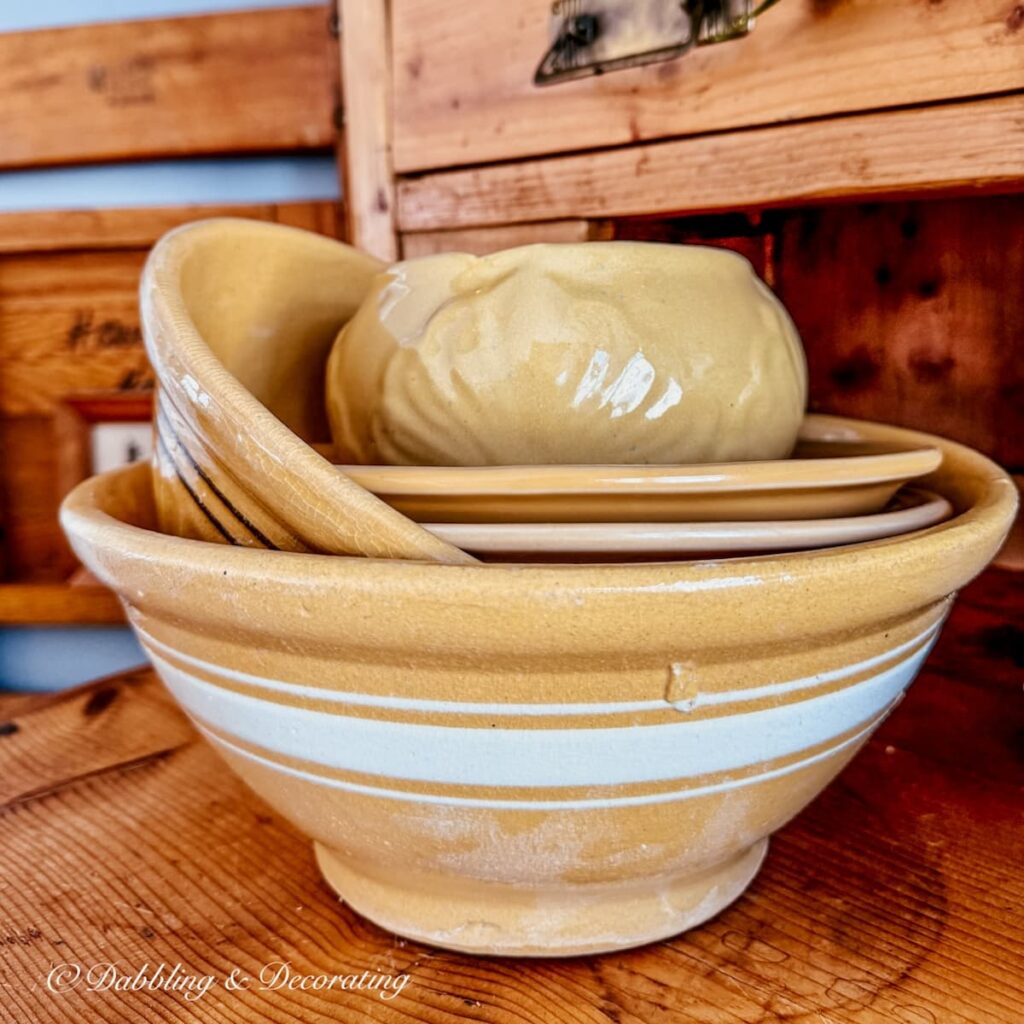
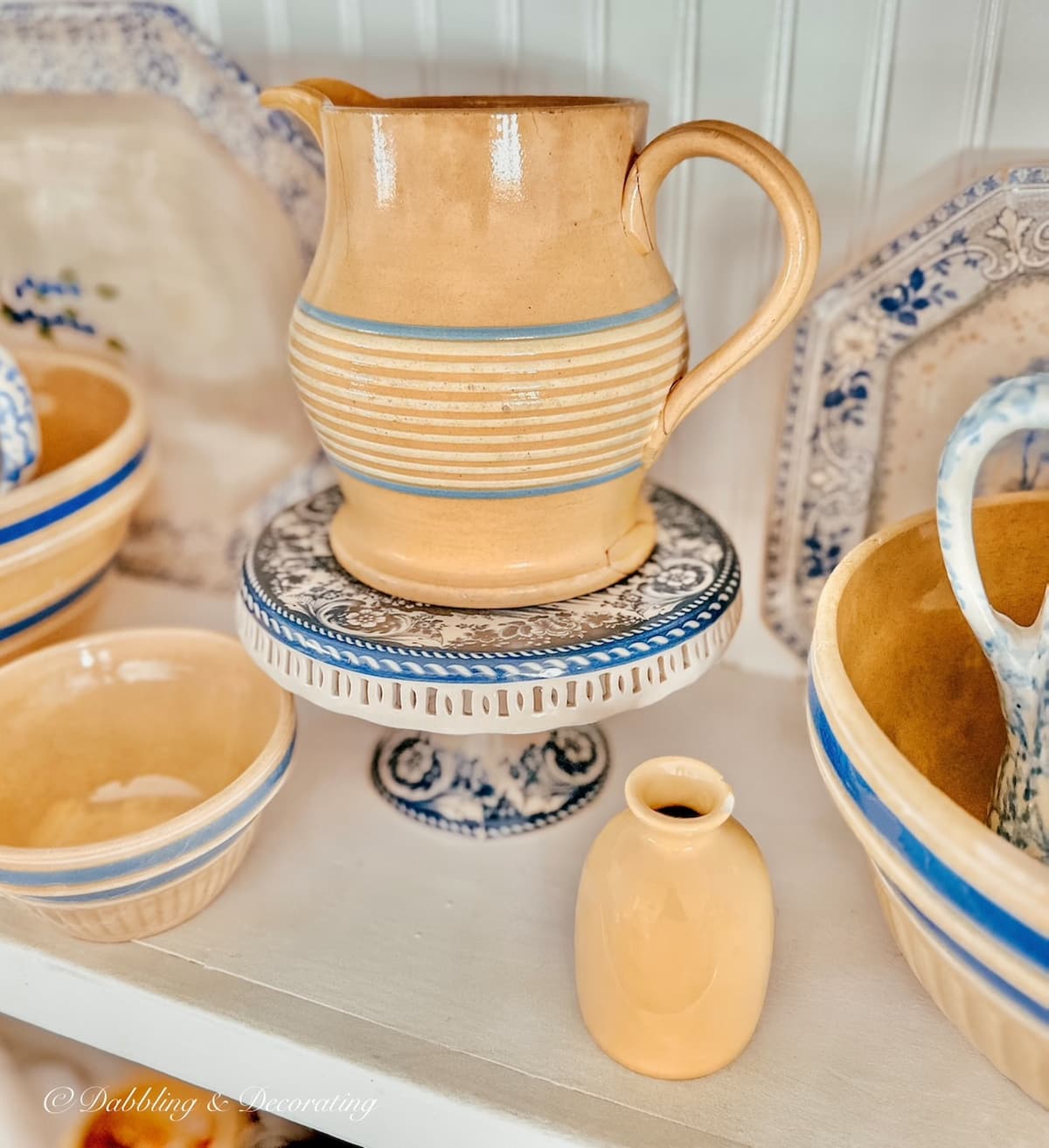
Vintage Yellowware Collecting and Styling Ideas
Are you drawn to classic yellow mixing bowls and charming pottery with blue stripes? This vintage guide is filled with ideas for decorating with yellowware, styling shelves, and starting your own collection with confidence and character.
The Bottom Line
The best-selling vintage booths aren’t just filled with random finds; they’re thoughtfully stocked with items that fit the season, the space, and the customer.
The more you pay attention to what sells, the easier it becomes to source, style, and build a booth that consistently performs well.
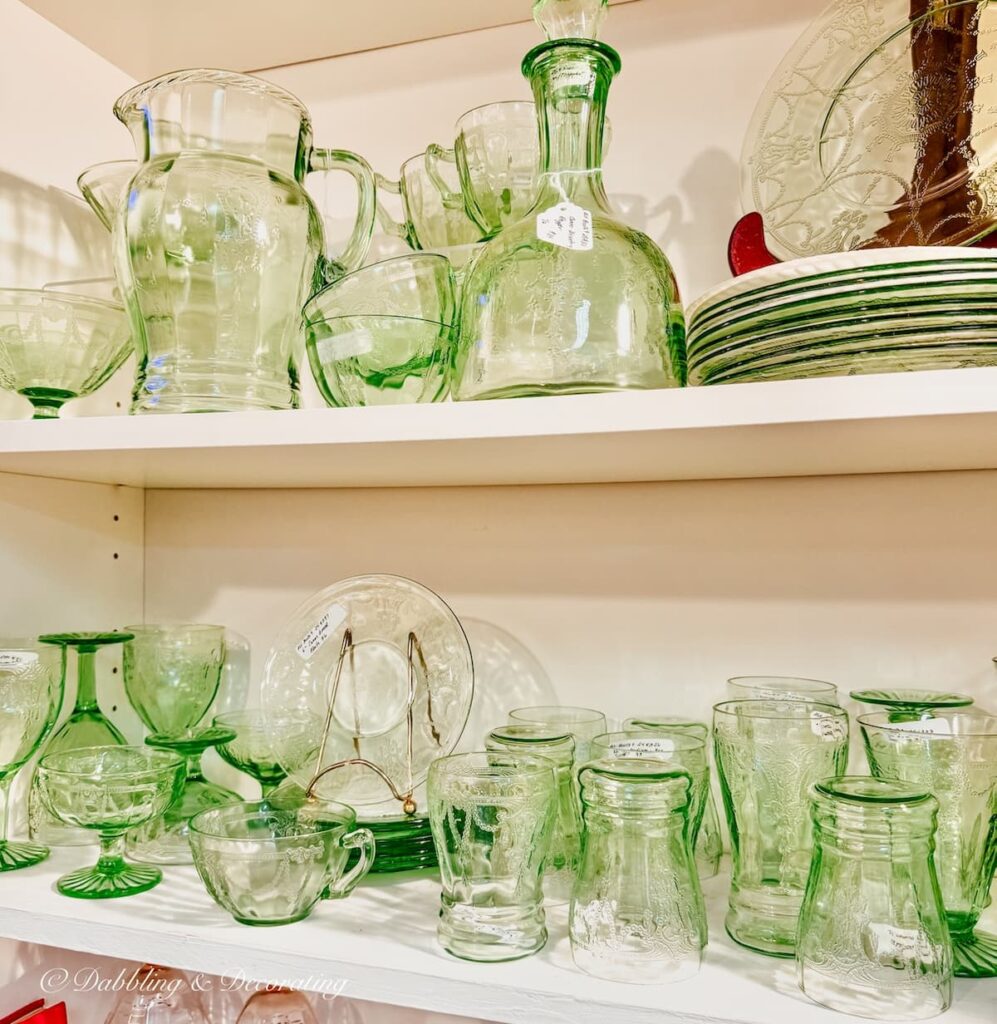
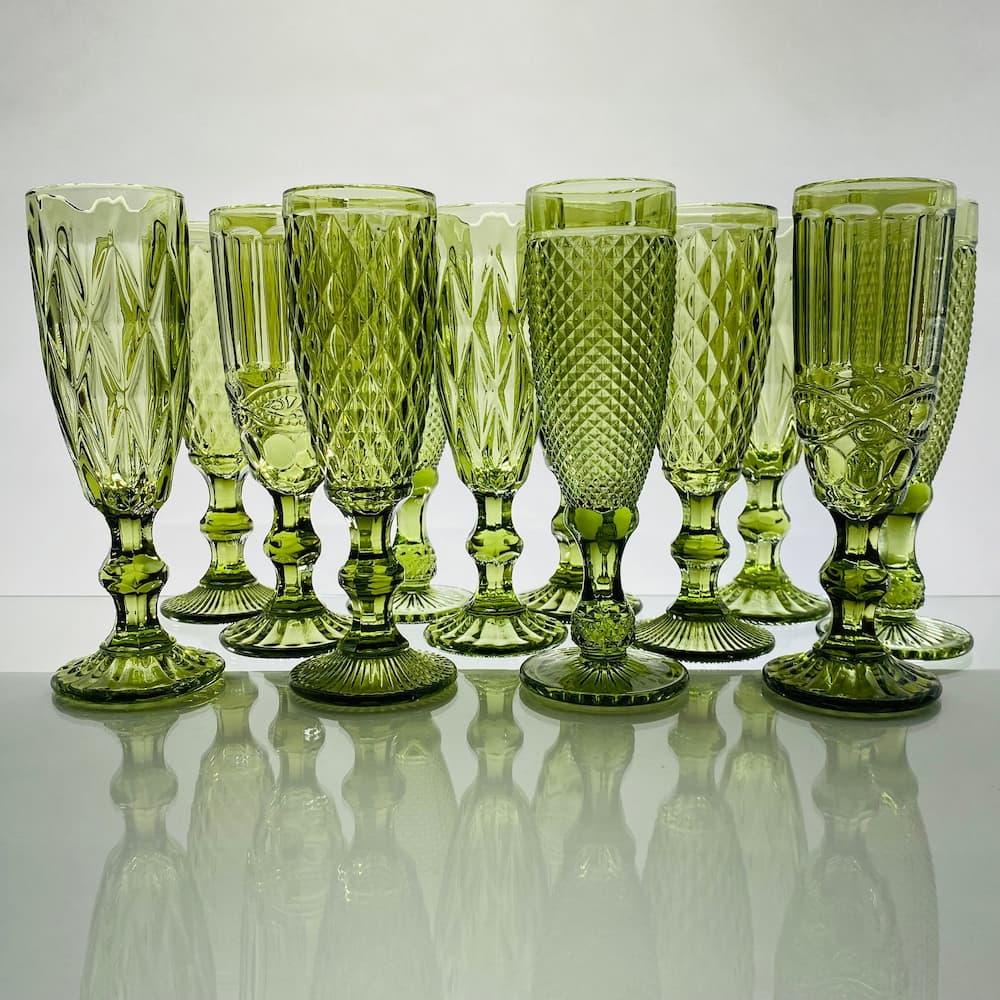
Discover the Charm of Vintage and Antique Glassware
Explore my complete guide to collecting, styling, and decorating with vintage and antique glassware, from colorful goblets to timeless etched wine glasses. Get inspired to start your own collection today!
12 Tips to Make Your Vintage Booth Stand Out (And Sell More)
Looking for ways to take your vintage booth from quiet to bustling? Here are 12 tried-and-true tips that can help you create a booth shoppers can’t resist:
- Choose a cohesive theme: Pick a cohesive style or color palette that helps your booth feel organized and memorable.
- Curate your collection (don’t just fill the space): Select pieces that complement each other rather than randomly mixing unrelated items.
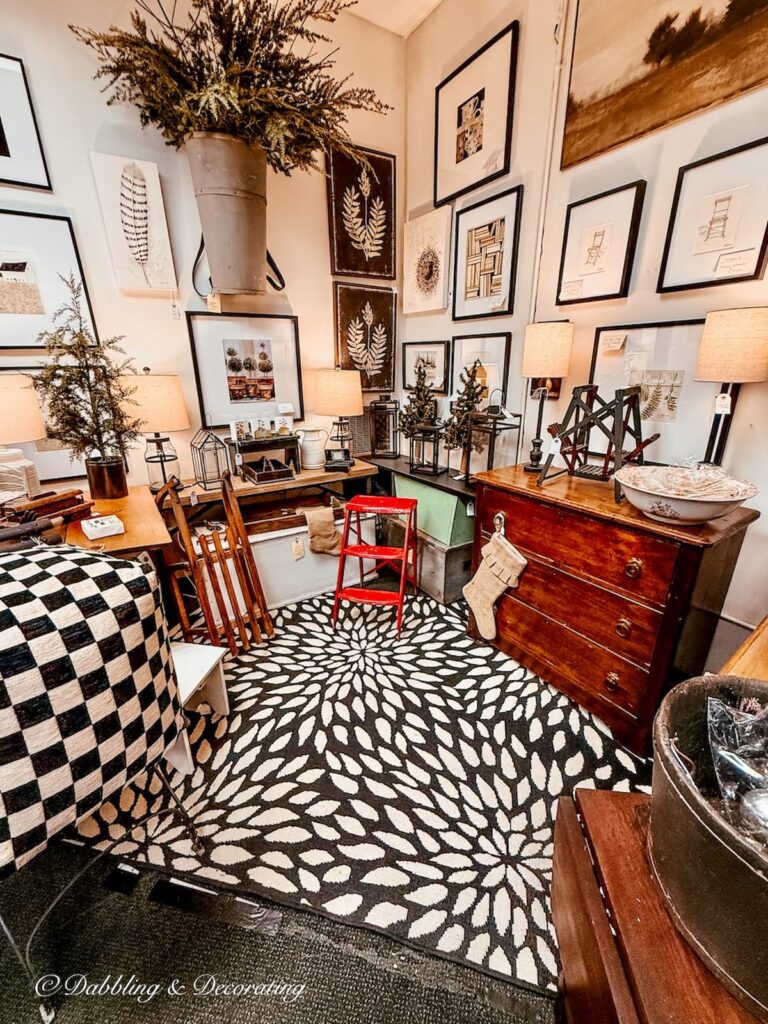
- Anchor your booth with a few standout pieces: Anchor your antique booth with a few standout vintage pieces, such as a cabinet, sled, or large artwork, to grab attention.
- Create height with risers and vertical displays: Use risers, stack books, hang things vertically, and create visual interest at multiple heights.
- Leave breathing room (don’t overcrowd): Leave room for buyers to shop. Shoppers should be able to see and appreciate each piece.
- Make everything easy to access: Ensure customers can easily reach and pick up items without feeling like they’ll knock something over.
- Keep business cards on hand: Not every shopper will buy right away, so make it easy for them to find you again.
- Remember: shoppers want an experience, not a dig: This is important to remember. They want a pleasant shopping experience and want to be sold.
- Create a visually inviting, styled space: Your booth should tell a visual story with charm, not feel thrown together.
- Restock and refresh often: Freshen your displays and swap out sold items often to keep the booth lively and interesting.
- Highlight smaller items at eye level: Lift smaller items up to eye level, where they’ll be noticed and appreciated.
- Layer textures and groupings to draw people in: Layer textures, colors, and groupings to pull shoppers deeper into your space.
Sunday Home Style
Inspired by homes that feel like Sunday—quiet, layered, and filled with familiar finds. These styling tips share the vintage touches, everyday rituals, and warm moments that make a home feel like you.
Where to Find Vintage Booth Inventory (My Favorite Sources)
One of the most common questions I get is: Where do you actually find all of your vintage booth inventory? The truth is, great vintage finds are everywhere; you just start to see them differently once you’re actively sourcing for a booth.
Over the years, I’ve found some of my best pieces through a mix of local shopping, road trips, and online sources. I share many of these adventures in my Thrifting with the Gals series, my Antiquing in New England series, our Antiquing RV Road Trips, and throughout my Vintage Shopping Guides, where I document exactly what I find and how I style it at home.
If you’re looking for online options, I’ve also put together a full resource here: Top 23 Places to Buy Vintage Decor Online (Trusted + Unique Sources).
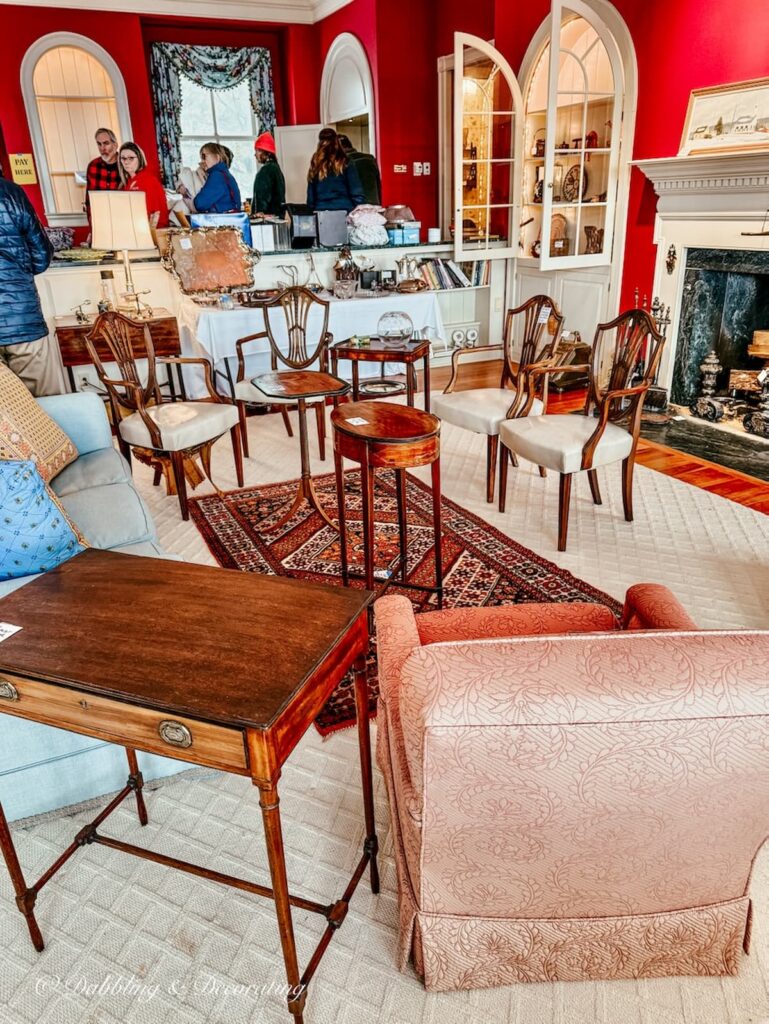
And for those interested in higher-end finds, my post How To Shop Estate Sales For Antiques: Finding Budget Wins In A Luxury Home shares a behind-the-scenes look at sourcing from estate sales.
Here are some of my favorite places to find inventory for a vintage booth:
- Antique stores and antique malls (great for curated, resale-ready pieces)
- Flea markets and vintage markets (perfect for unique finds and seasonal inventory)
- Thrift stores (ideal for budget-friendly sourcing and everyday items)
- Estate sales (especially for higher-quality, well-kept vintage pieces)
- Facebook Marketplace and local online listings (great for furniture and larger items)
- Barn sales and yard sales (often the best place to find unexpected treasures)
- Vintage shows and pop-up markets (great for inspiration and sourcing at the same time)
- Online vintage shops and marketplaces (a reliable option when you need to fill gaps in your inventory)
The more you source, the more you’ll start to recognize what fits your booth style and what sells well in your area.

How to Price Vintage Booth Items (What I’ve Learned)
Pricing vintage items can feel like one of the hardest parts of running a booth, and the truth is, there’s no one-size-fits-all answer.
Pricing will vary depending on your location, your customer base, and the type of shop you’re in. For example, I’ve often heard that vintage prices in New England tend to be lower than in places like California, so it’s always important to understand your local market.
That said, there are a few guidelines that made a big difference for me.
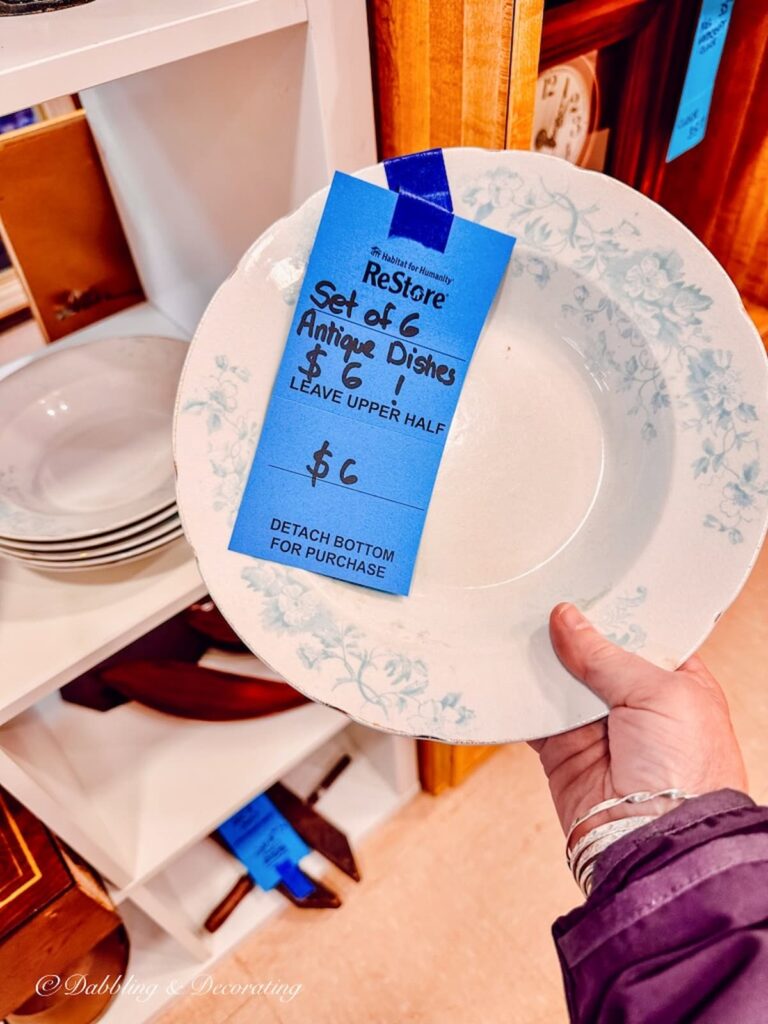
Start by Understanding Value
Before pricing an item, take a few minutes to research it. A quick Google search or a look on Etsy can give you a general idea of what similar pieces are selling for.
Keep in mind that online prices are often higher, especially with shipping included, but they can still help you understand the range and demand for an item.
Price Higher Than You Think (You Can Always Come Down)
One of the best pieces of advice I received was to price slightly higher than you think you should.
Why? Because in most antique shops and vintage booths, negotiation is expected.
Many stores allow automatic discounts, often around 10%, or will call you to approve an offer. Some shoppers will also expect a small discount if they’re buying multiple items or paying in cash.
Pricing a little higher gives you room to negotiate without losing value.
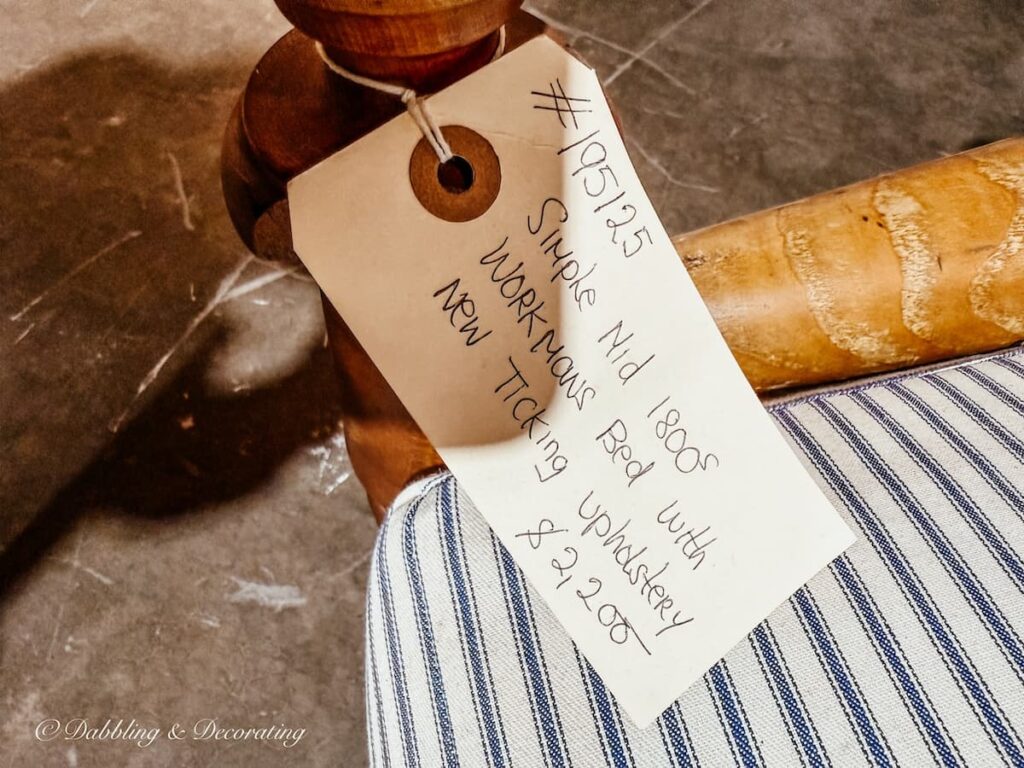
Price to Sell—Not to Store
At the same time, I’ve always believed in pricing items so they actually move.
A booth full of inventory that never sells doesn’t help anyone. I’d rather price fairly, sell consistently, and keep bringing in new pieces than hold onto items for too long.
If something sits for a few weeks, don’t be afraid to mark it down, restyle it, or move it out.
Know Your Shop’s Policies
Every shop handles pricing and negotiation a little differently.
Some allow automatic discounts after a certain number of days, while others encourage negotiation right from the start. It’s important to understand how your shop operates so you can price your items accordingly.
A Simple Pricing Mindset
- Research the item and understand its value
- Consider your local market and customer expectations
- Price slightly higher to allow for negotiation
- Be willing to adjust if something isn’t selling
Over time, pricing becomes more intuitive. The more you buy and sell, the better you’ll understand what works in your booth and what your customers are willing to pay.
How to Keep Your Vintage Booth Fresh (And Continue to Improve)
Once your vintage booth is set up, the work doesn’t stop there. Keeping your booth fresh, updated, and engaging is one of the most important parts of maintaining strong sales.
Regularly rotating your inventory is key. Bringing in new pieces, rearranging displays, and refreshing your layout keep your booth feeling active and give shoppers a reason to come back and take another look.
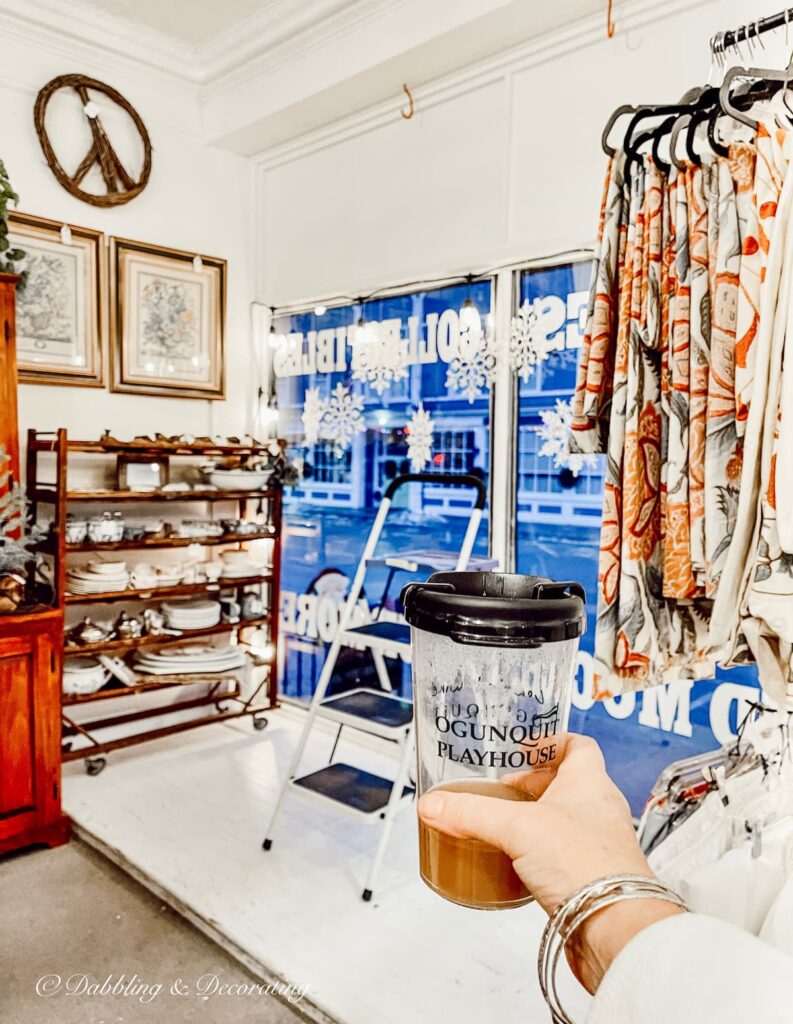
It also helps to stay inspired and continue learning as you go.
Visiting antique shops, vintage markets, and barn sales is not only great for sourcing inventory, but it’s also one of the best ways to gather new display ideas and see what’s currently catching shoppers’ attention.
Local events like Vintage Market Days Vermont, Sage Farm Antiques, and other pop-up markets are especially helpful for spotting trends and styling inspiration in real time.
You can also learn a lot by connecting with other vintage sellers, whether that’s in person or through online communities. Seeing how others price, display, and rotate their inventory can give you fresh ideas for your own booth. The more you stay engaged with the vintage world, the easier it becomes to evolve your booth, refine your style, and keep shoppers coming back.
How to Style Seasonal Vintage Booth Displays That Sell
Updating your vintage booth with seasonal displays is one of the easiest ways to keep it feeling fresh, inviting, and worth a second look. As the seasons change, so do what shoppers are drawn to. Leaning into seasonal vintage decor, whether it’s patriotic pieces in the summer, cozy textures in the fall, or festive finds during the holidays, helps your booth feel current and relevant.
Even small seasonal touches can make a big impact. A few well-placed items, a simple color shift, or a themed vignette can catch a shopper’s eye and draw them into your space. Seasonal styling doesn’t have to be complicated, but it does give your booth a reason to stand out and keep customers coming back to see what’s new.
Spring Vintage Booth Displays
Spring is the perfect time to lighten up your vintage booth and refresh your color palette. As shoppers move out of winter, they’re naturally drawn to softer tones, fresh greens, and pieces that feel bright, airy, and full of life.
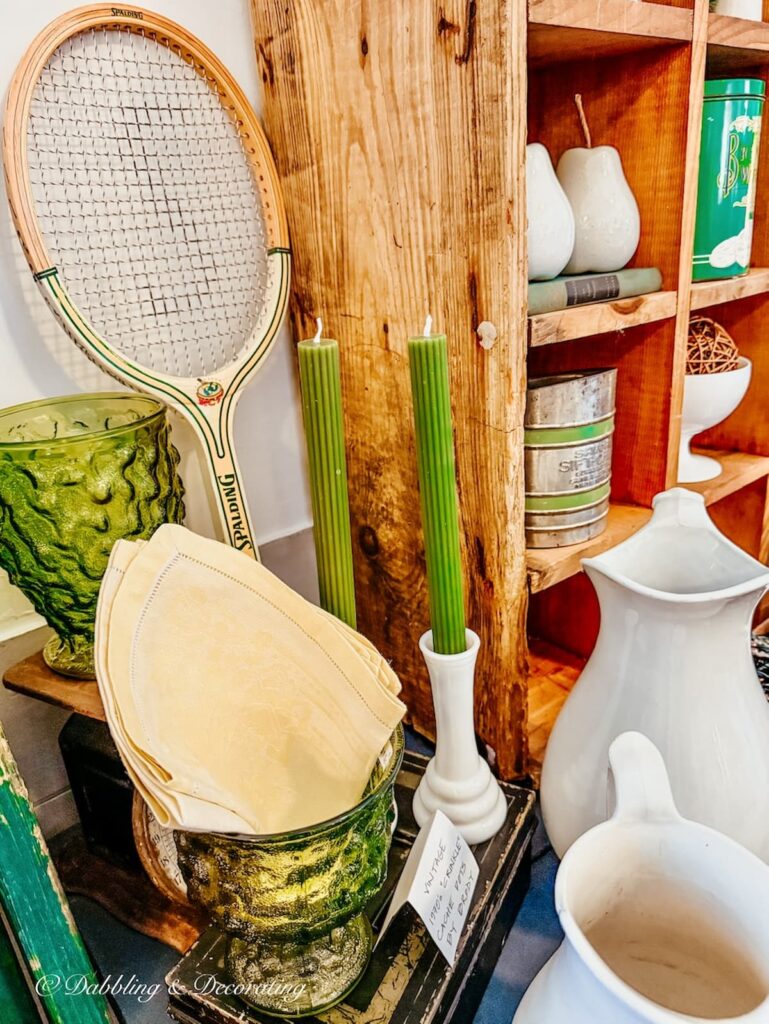
Green is always a standout this time of year. Vintage green plates, platters, glassware, and even green-bound books tend to sell especially well in spring. These pieces feel seasonal without being overly themed, which makes them easy for shoppers to incorporate into their homes.
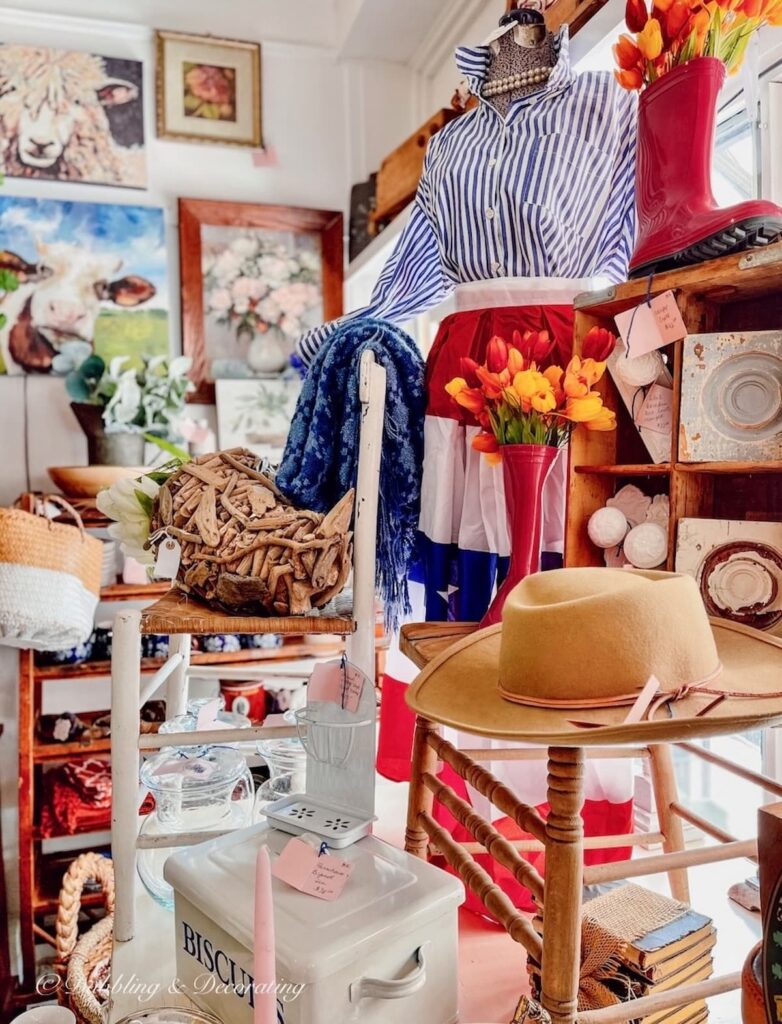
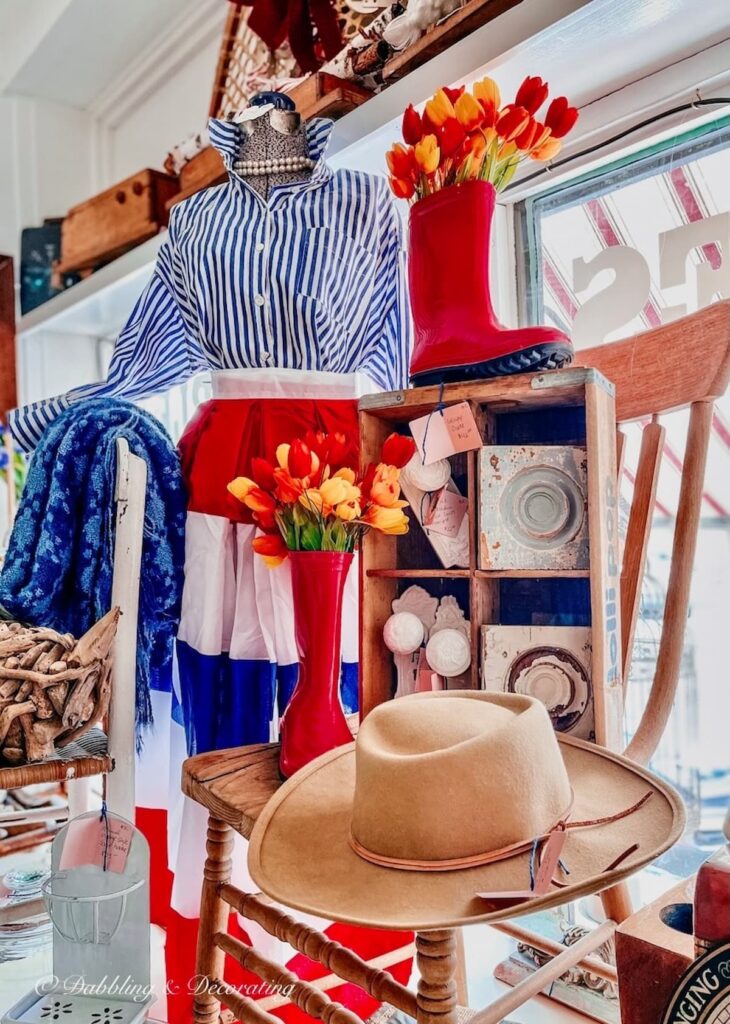
Floral touches also go a long way. Simple arrangements like daffodils, tulips, or faux stems styled in vintage pitchers, crocks, or even a pair of wellies can instantly bring your booth to life and create a fresh, inviting feel.
You can also lean into lighter, everyday pieces like vintage pitchers, lemonade sets, and casual serveware items that feel perfect for spring gatherings and the start of warmer days. A few thoughtful updates in color, texture, and styling can completely transform your booth for the season and make it feel new again.
Eclectic Decorating Style Guide
Want to create a home that feels cozy, collected, and completely you? This guide dives into how to layer vintage, antique, and thrifted pieces effortlessly, sharing easy tips to help you embrace an eclectic vintage style that tells your story, one thrifted find at a time.
Summer & Patriotic Vintage Booth Displays
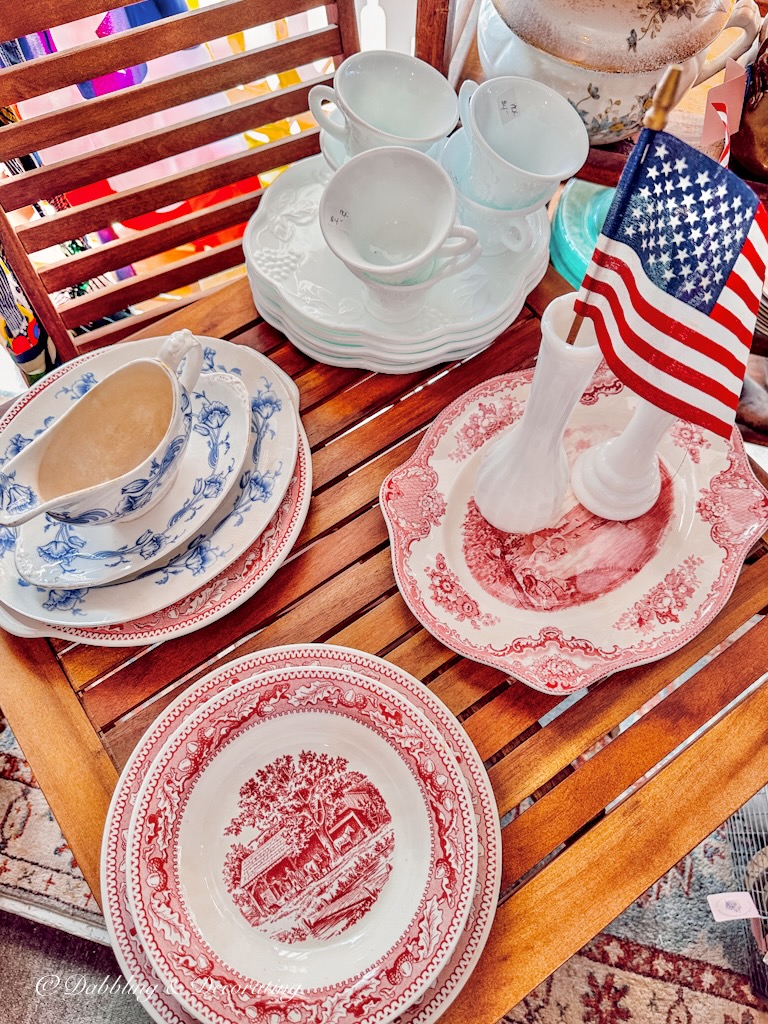
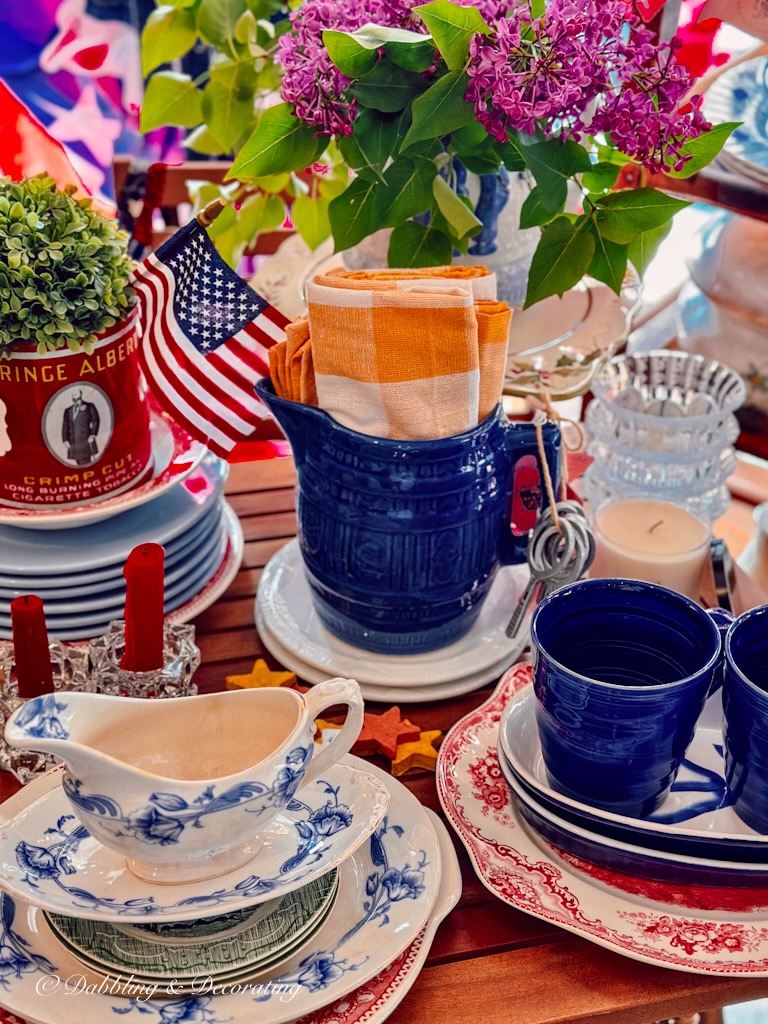
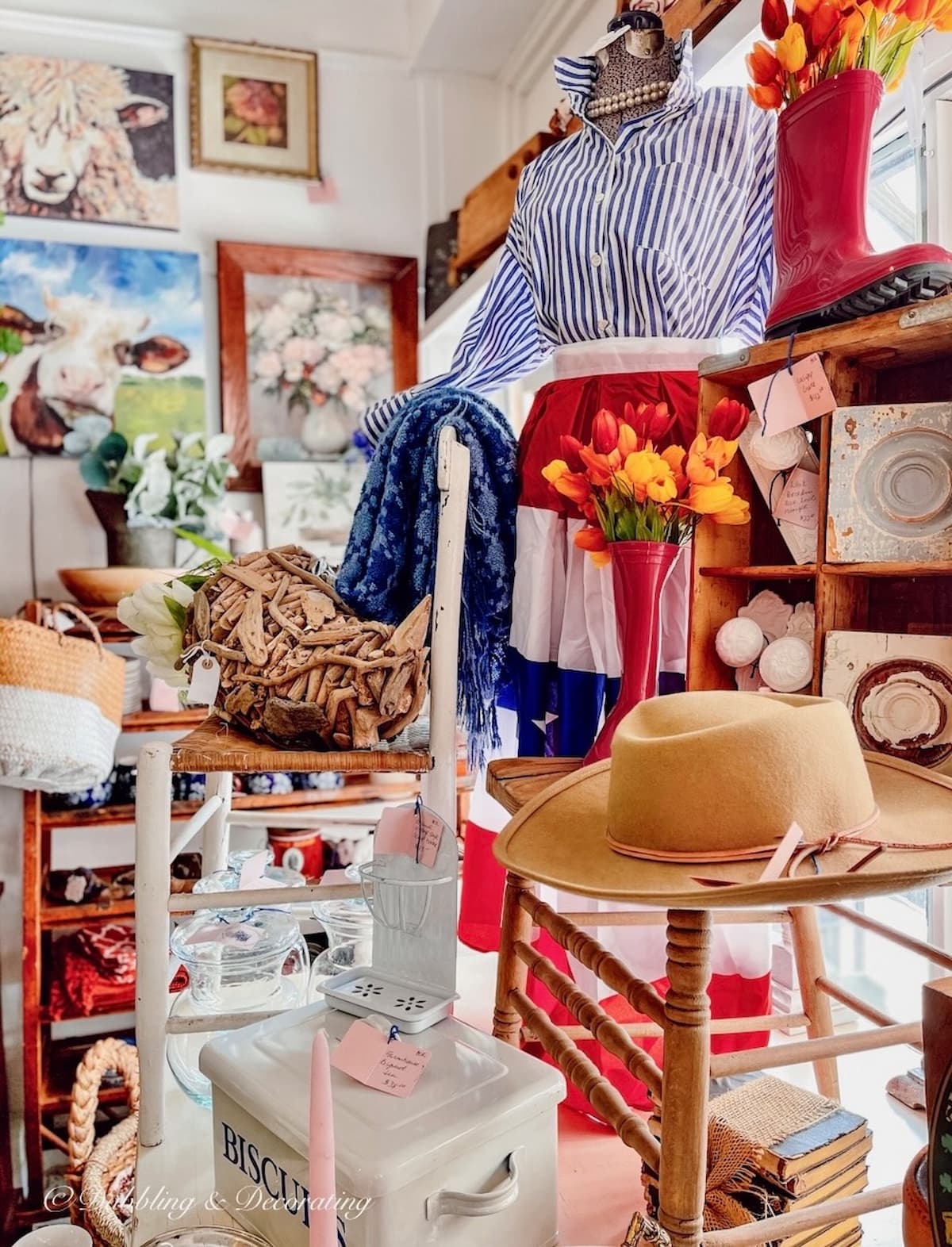
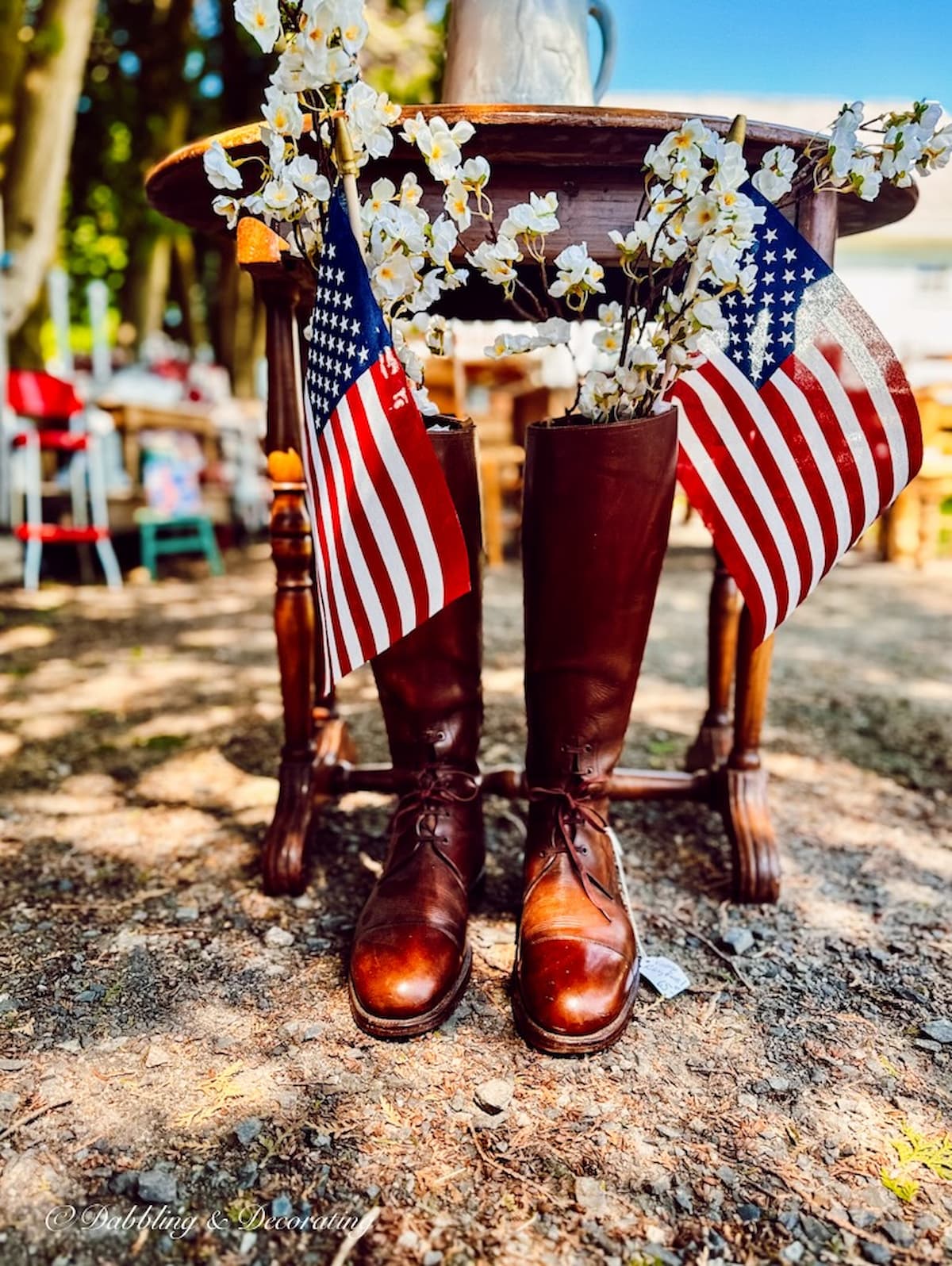
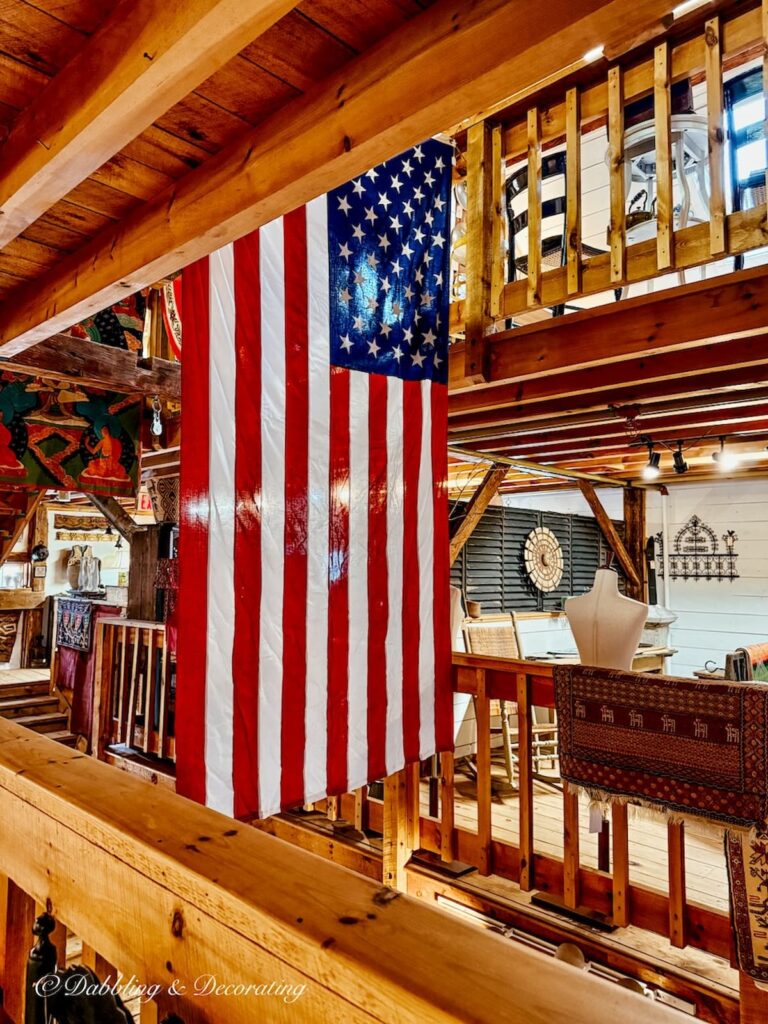
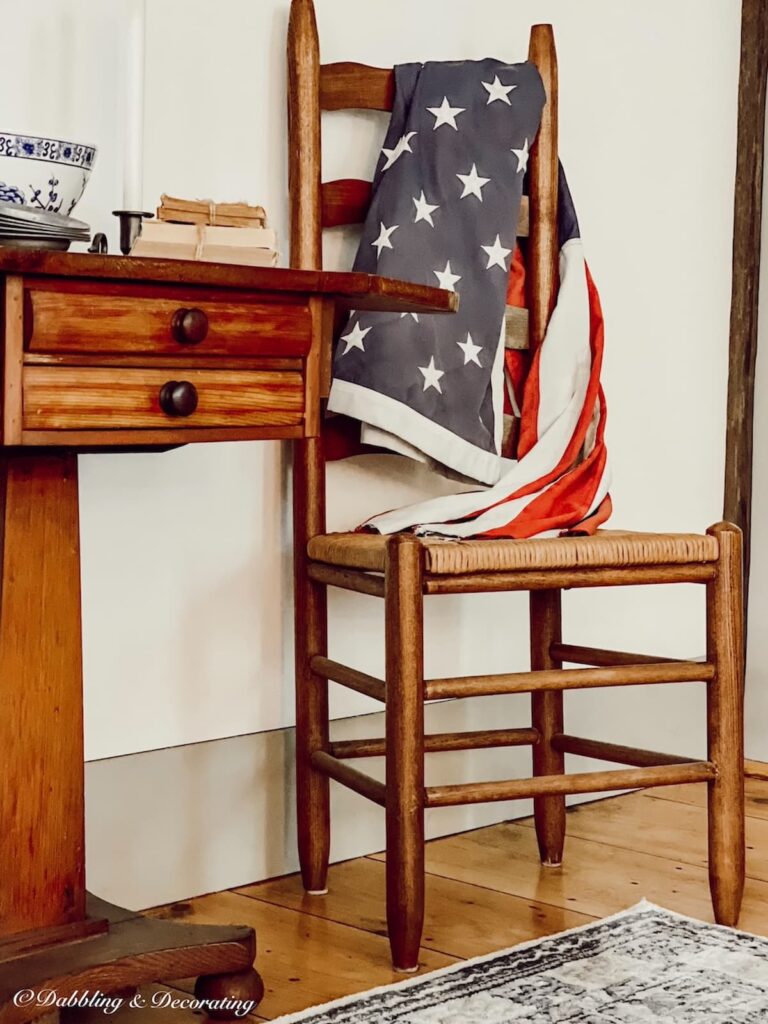
Patriotic vintage booth displays are always a standout during the summer months, especially around the Fourth of July, when shoppers are looking for seasonal decor they can take home and use right away.
Think classic Americana: vintage flags, red and blue enamelware, picnic baskets, and nostalgic pieces that feel timeless and familiar. These items are not only decorative but also practical, which makes them even more appealing to buyers.

Antique Basket Styling Guide
Discover timeless ways to style, display, and collect vintage and antique baskets with our comprehensive Antique Baskets Guide, your go-to resource for adding cozy, storied charm to every room.
If you want to create a true focal point, consider styling a mannequin in vintage-inspired patriotic clothing or layering textiles like quilts and throws in red, white, and blue tones. These eye-catching displays naturally draw people in and encourage them to stop, browse, and imagine the pieces in their own homes.
The key with any seasonal vintage booth display is to make sure everything feels intentional, cohesive, and most importantly, available for purchase. Shoppers are far more likely to engage when they know the full display is part of the experience they can take home.
Vintage Americana Decor Ideas for a Timeless Patriotic Home
Discover timeless vintage Americana decor ideas for a classic, collected home. From antique quilts to coastal patriotic touches, these simple red, white, and blue styling ideas are perfect for America’s 250th anniversary.
Christmas Vintage Booth Displays
Christmas is one of the best seasons for vintage booth styling, and one of the busiest for sales. Shoppers are naturally drawn to nostalgic, cozy pieces that feel warm and familiar during the holidays.
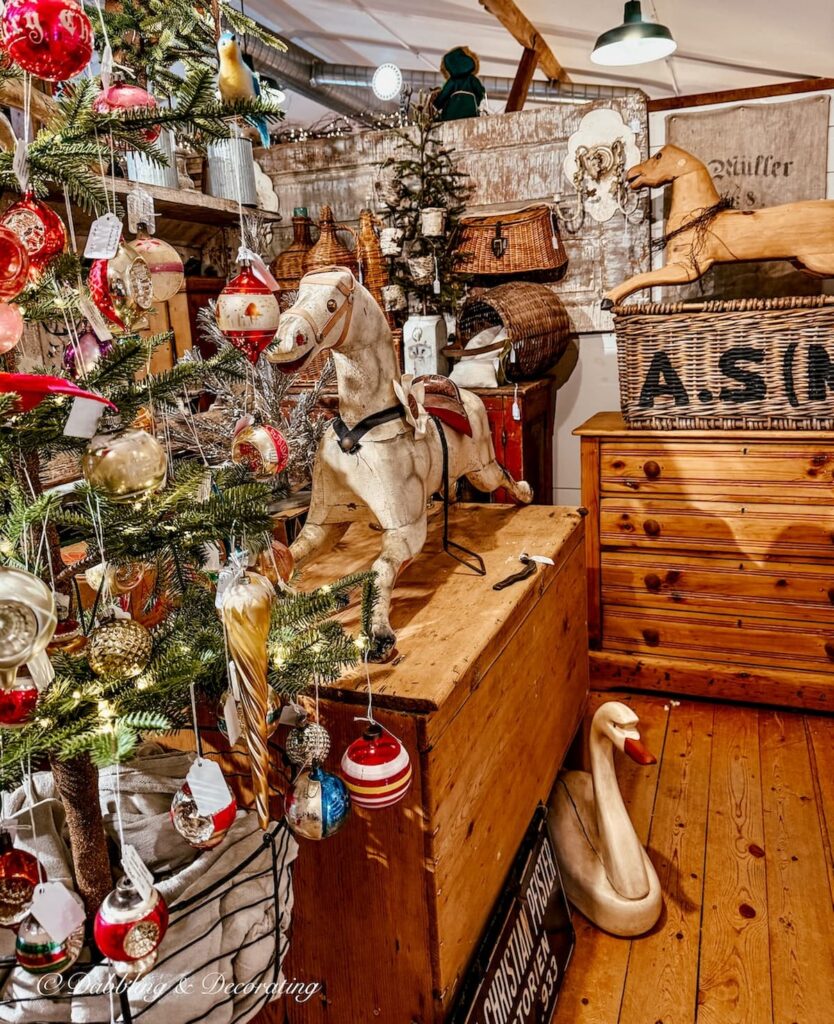
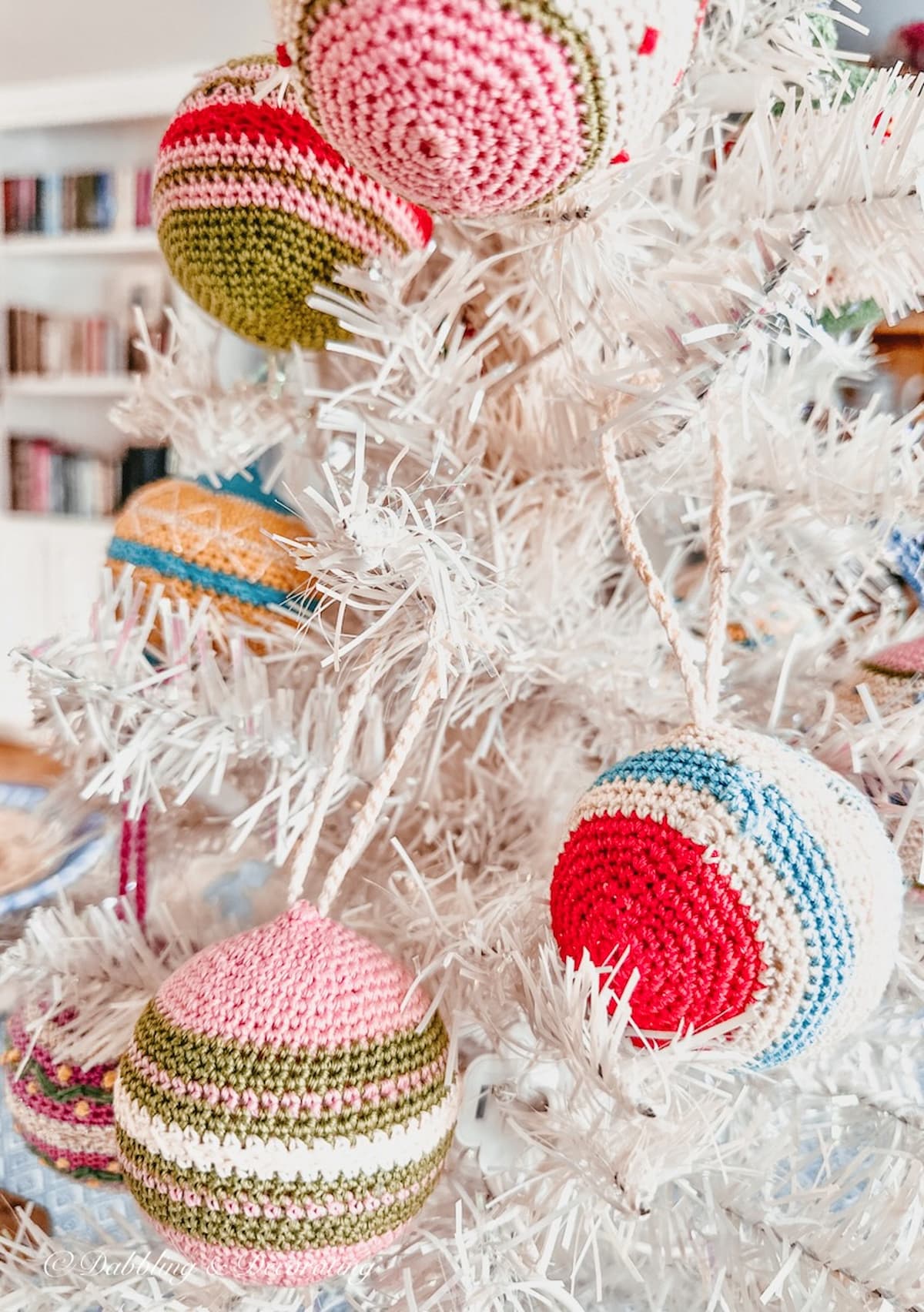
Layer in textures like wool blankets, velvet ribbons, and winter greenery, then mix in vintage ornaments, silver serving pieces, and retro holiday signage. These elements create a collected, timeworn look that feels both festive and inviting.
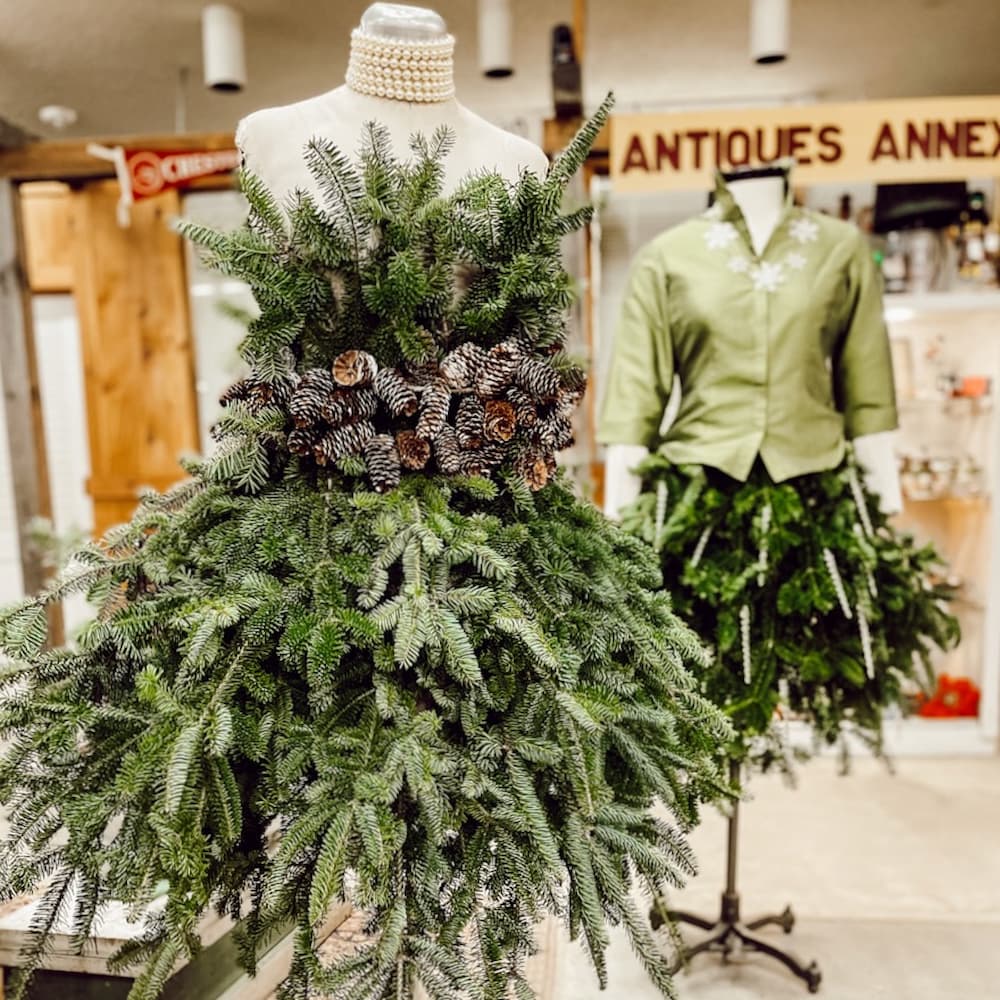
If you can, create a simple holiday scene, like a small tree, a styled tabletop, or a cozy corner vignette. Displays like this help customers visualize how to use vintage pieces in their own homes, which makes them more likely to buy.
Seasonal styling is also a chance to show off your creativity. A well-styled Christmas booth doesn’t just display items; it tells a story and gives shoppers ideas they can take home with them.
Simple New England Vintage Christmas Decorating Guide for Every Space in Your Room
Discover timeless ways to decorate every corner of your home with cozy, vintage-inspired Christmas charm. From mantel displays to festive porches, this guide brings New England holiday style to life, simply and beautifully.
Fall Vintage Booth Displays
Fall is one of the best seasons to lean into cozy, layered vintage style, and it’s a natural draw for shoppers.
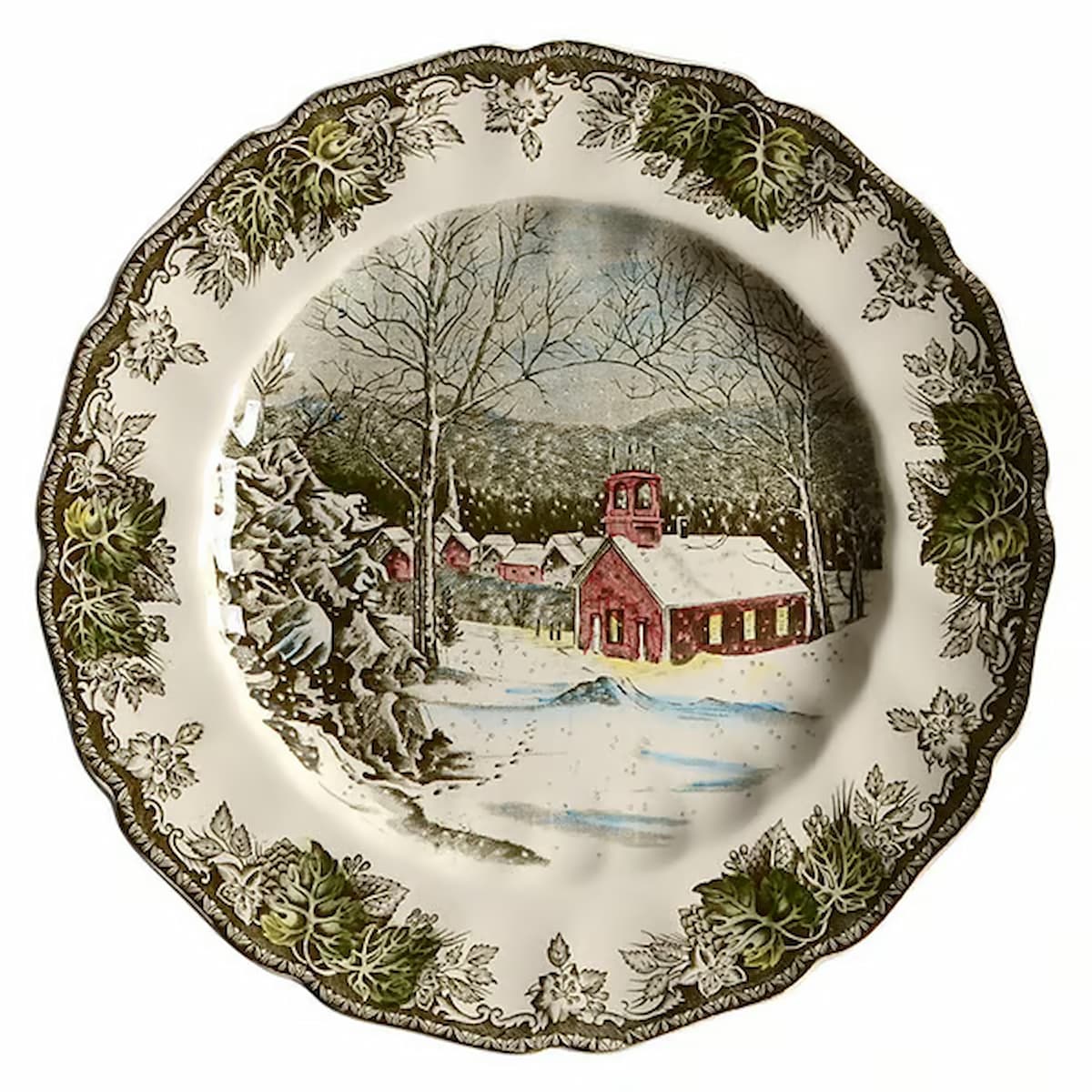
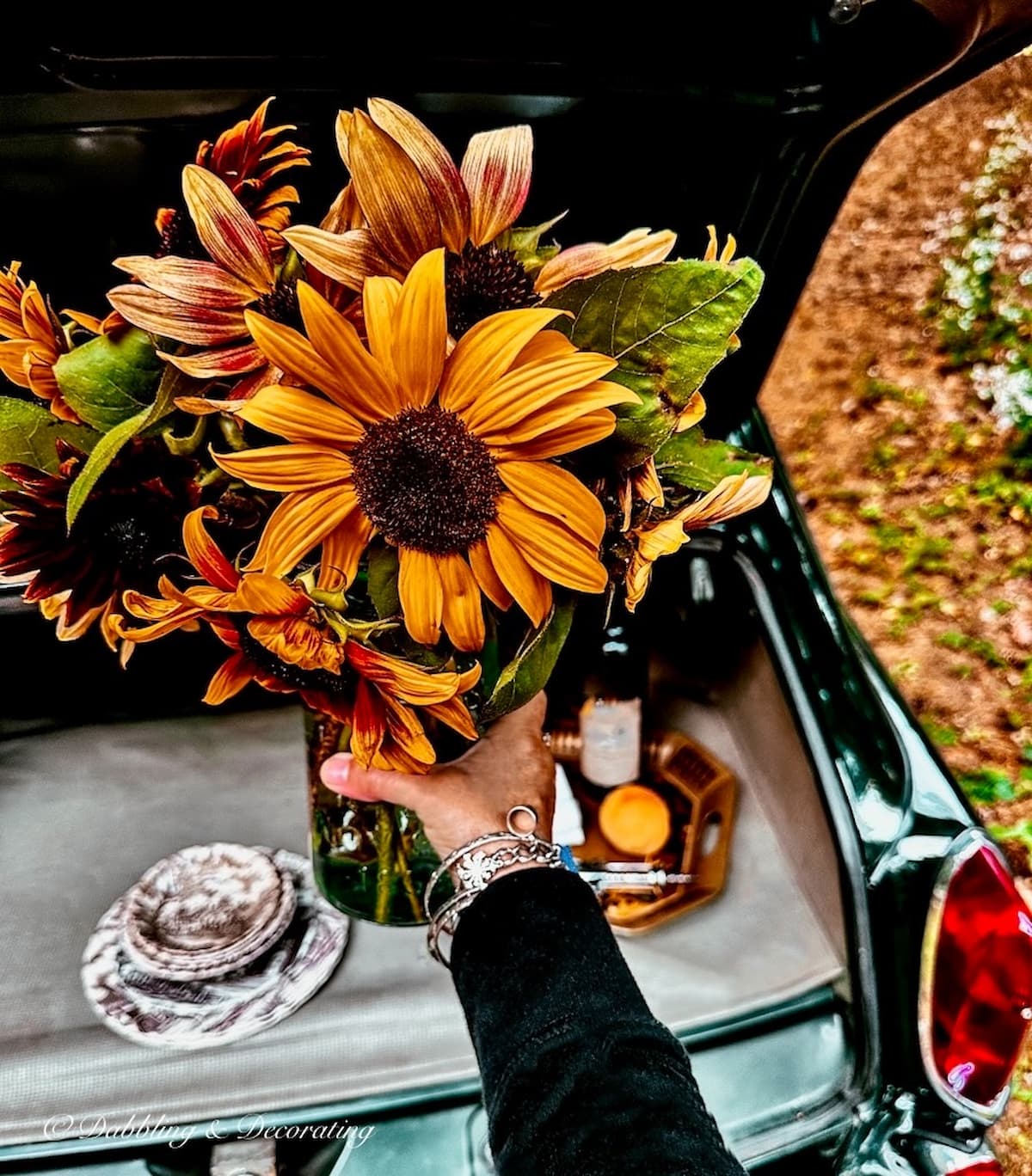
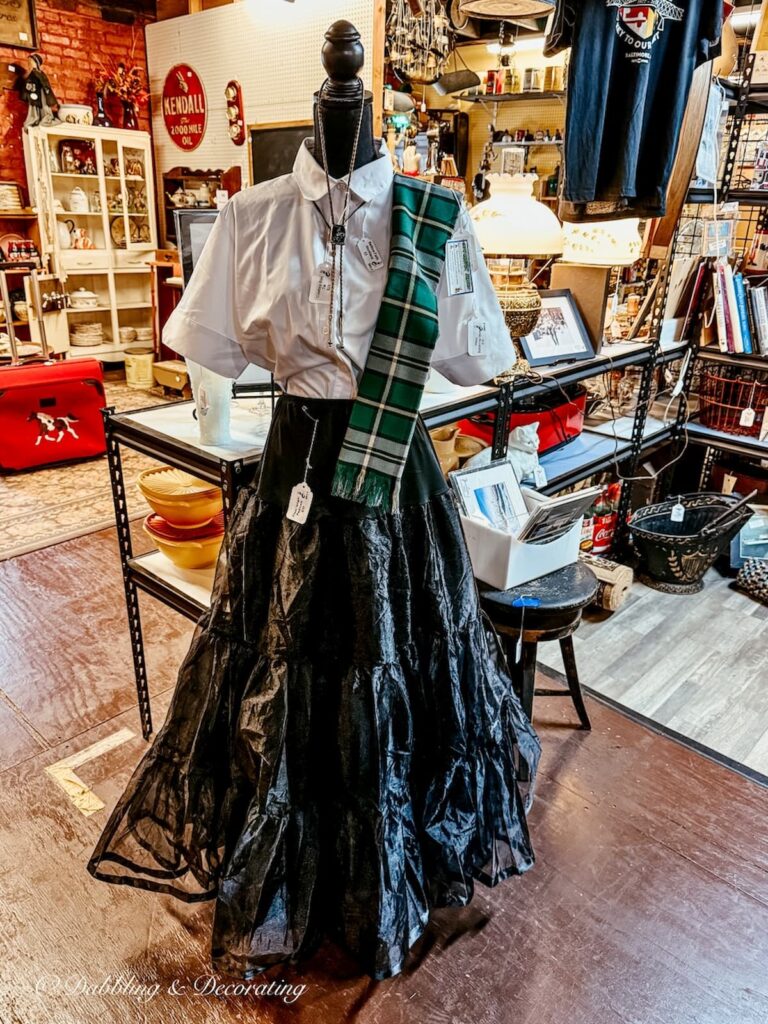
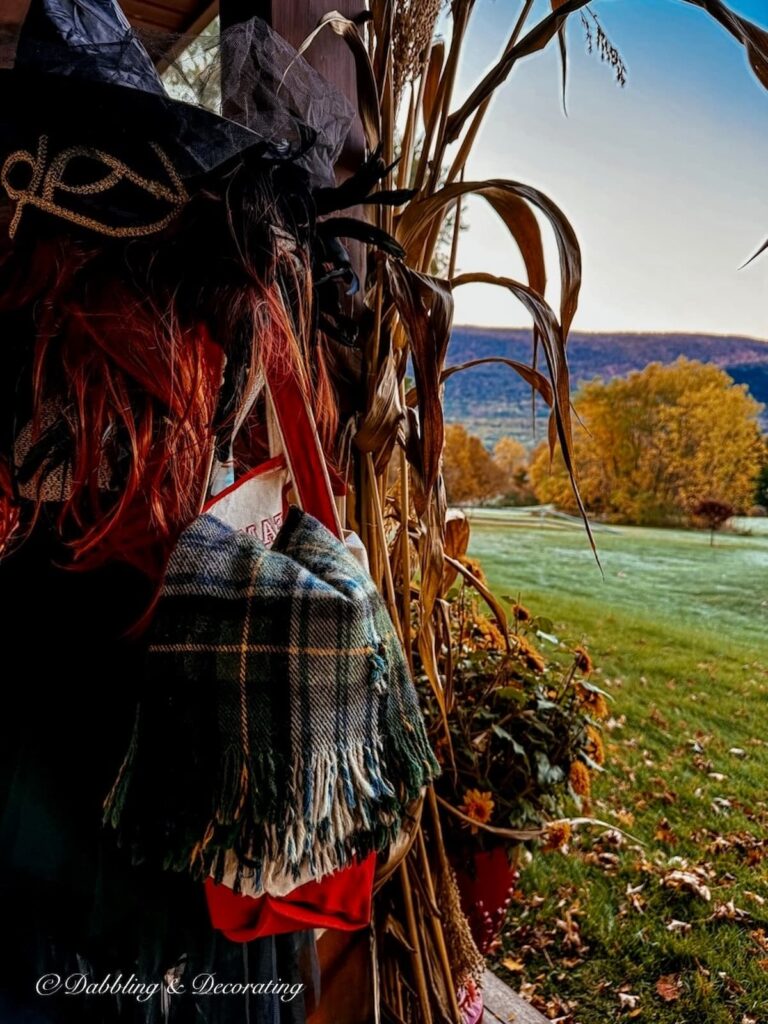
Think warm textures and nostalgic pieces like vintage plaid skirts, bundles of dried hydrangeas, vintage clothing for Halloween, and collected dishware such as Johnson Brothers Autumn Delight displayed on an old wallpaper table. These kinds of pieces instantly create that familiar, collected fall feeling people love.
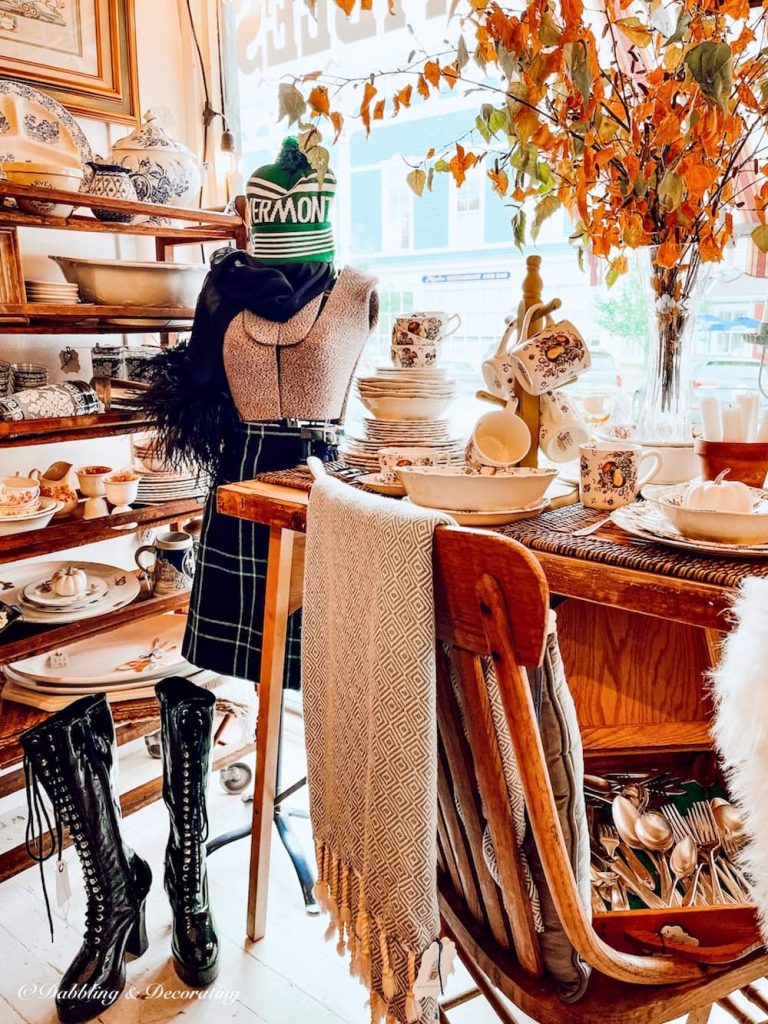
Layer in simple seasonal touches like dried branches, leaves, mini pumpkins, acorns, or stacks of antique books. These small details help bring your booth to life and make it easier for customers to imagine decorating with your finds at home. Learn more in my DIY Autumn Flower Arrangements: Vermont Foraged Flower Arranging Ideas post.
Ann was recently quoted in this Homes & Gardens article “When’s the best time to shop for antiques? Experts reveal the ideal season for finding secondhand treasures” (2025)
Fall is also a great time to create a strong visual story. When your booth feels warm, inviting, and thoughtfully styled, shoppers are more likely to stop, browse, and spend time in your space. Seasonal displays don’t just help sell your merchandise; they help build your booth’s identity. A space that feels fresh and inspired throughout the season keeps customers coming back to see what’s new.

Seasonal displays not only help sell your merchandise, but they also build your booth’s brand. When customers know they’ll see fresh, creative ideas tied to the season, they’ll be more likely to visit again and again. A constantly refreshed booth creates an ever-changing treasure hunt, and shoppers love that.
Your Guide to Vintage Fall Home Decor in Vermont
Step into fall with cozy charm, colorful vintage finds, and nostalgic New England style. This seasonal decorating guide brings together over 15 fall-inspired blog posts, from porch styling and table settings to fire pits, Halloween touches, and more, all inspired by life in the Vermont mountains.
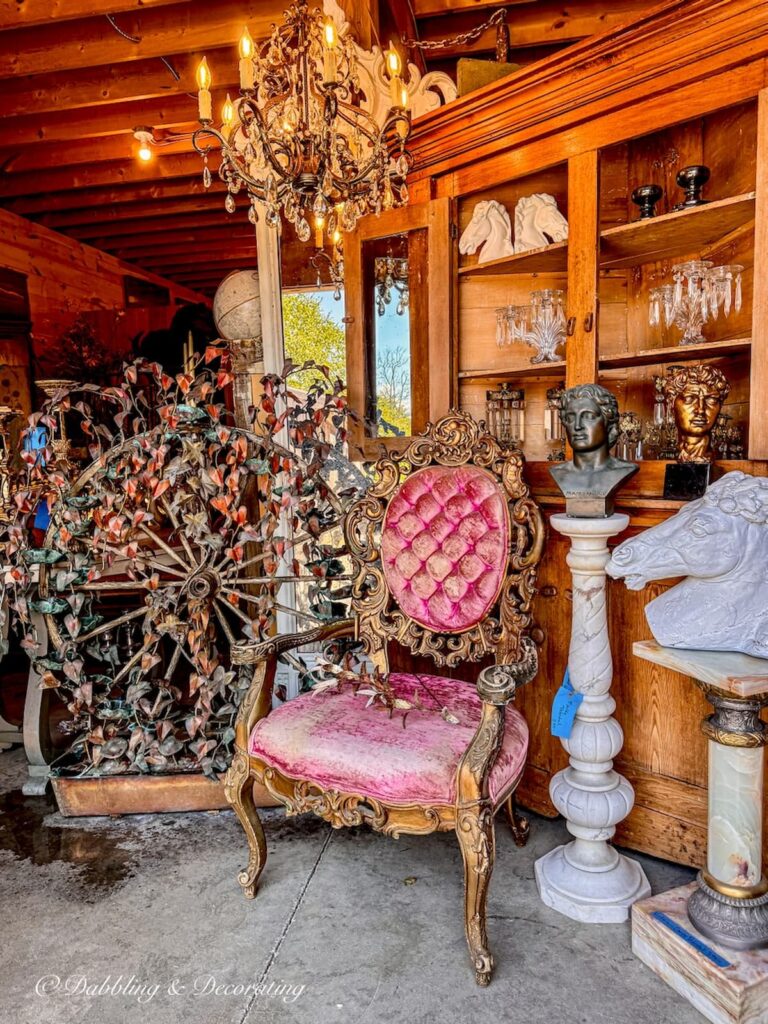
More Seasonal Antique Store Finds You’ll Love
Looking for more ideas on what to hunt for in antique stores this time of year? I’ve been sharing my favorite seasonal finds, what to look for, how to style them, and what always catches my eye when I’m out thrifting or antiquing. Whether you’re shopping for a holiday, a new season, or just browsing for inspiration, you’ll love these vintage treasure-hunting tips:
The Vintage Posts Readers Love Most
Start with the posts readers come back to again and again. These vintage decorating ideas are rooted in New England, styled with thrifted and antique finds, and filled with real-life tips you can use in your own home. Familiar Finds, Styled Your Way.
How to Start a Vintage Booth: Tips, Display Ideas, and Lessons Learned
Eclectic Decorating Style Guide: How to Layer Vintage, Antique, and Thrifted Decor
9 Vintage Booth Displays That Made Me Stop (And What You Can Learn From Them)
Scandinavian Spring Homes: 10 Light and Airy Cottage Tours to Inspire
Antique Oil Lamps: How to Repurpose Them Into Unique Flower Vases
Lessons I Learned Running a Vintage Booth
After running a vintage booth for a few years, I learned that success comes down to a mix of observation, flexibility, and consistency. Here are the biggest takeaways that made the most difference:
- Know what sells in your area
Not everything you love will sell. Pay attention to what your customers are actually buying and adjust your inventory accordingly. - Bigger, clearer price tags help items sell
Easy-to-read tags with a little detail or story catch attention and make shoppers more confident in their purchase. - Good signage guides your customers
Clear signs, whether for pricing, sales, or featured items, help shoppers navigate your booth and make quicker decisions. - If it’s not selling, move it out
Don’t let items sit too long. Mark them down, restyle them, or replace them to keep your booth feeling fresh. - Small items keep sales steady
Lower-priced pieces like vintage ornaments, dried flowers, postcards, and small decor items often sell quickly and consistently. - Sales will fluctuate, and that’s normal
Especially in tourist areas, some months will be busy and others slower. Stay consistent and don’t get discouraged. - Consistency matters more than perfection
Regular updates, small changes, and ongoing effort will always outperform a “perfect” booth that never changes.
At the end of the day, the most successful vintage booths are the ones that continue to evolve. The more you learn, adjust, and stay engaged, the more your booth becomes a place shoppers return to again and again.
Starting your first antique booth is an exciting journey that lets you turn your love for vintage treasures into something truly special. Whether you’re downsizing your own collection or curating finds for a dedicated space, it’s all about creating a booth that reflects your passion for vintage and antique decor.
With a little creativity, consistency, and care, your booth can become a welcoming spot that shoppers look forward to visiting, and a space where your love for all things vintage truly shines.

I’d love to hear about your vintage booth adventures! Are you thinking about starting a booth, or are you a seasoned seller with tips of your own? Share your experiences, ideas, or questions in the comments. I always love connecting with fellow vintage lovers!
Vintage Booth Setup Checklist (What to Do First)
Ready to start your vintage booth? Use this simple checklist to get set up with confidence:
What Vintage Booth Displays Taught Me About Decorating at Home
Vintage booth displays aren’t just for sellers; they’re some of the best real-life examples of how to style with vintage pieces in a way that feels collected, not cluttered. After years of browsing and photographing booths, I’ve noticed the same simple techniques showing up again and again, ones that work just as beautifully in your own home. Learn more in my 7 Vintage Booth Styling Ideas Worth Borrowing for Your Home post.
1. Group Like Items Together
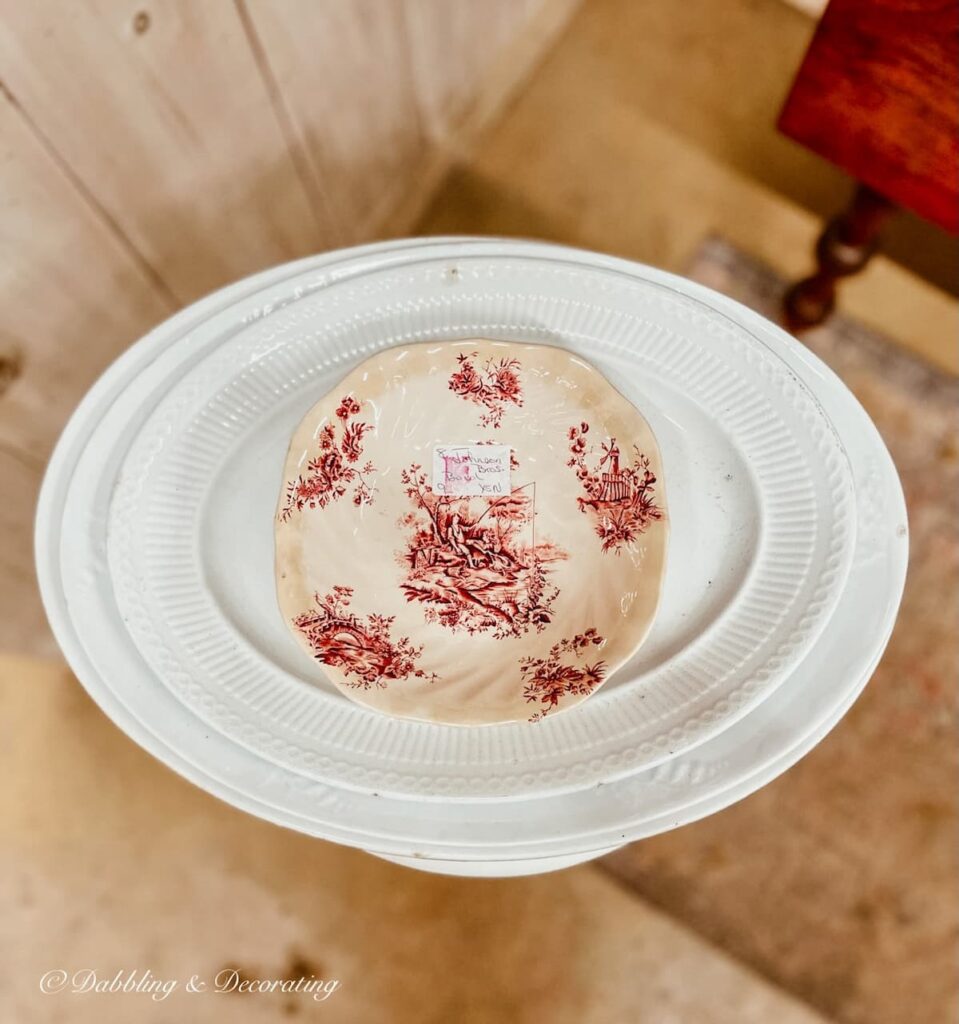
Vintage booths almost always group similar items, such as ironstone, crocks, baskets, or glassware, into small collections instead of scattering them around.
At home, this creates a stronger visual impact and makes everyday vintage pieces feel intentional instead of random.
2. Create Layers, Not Rows
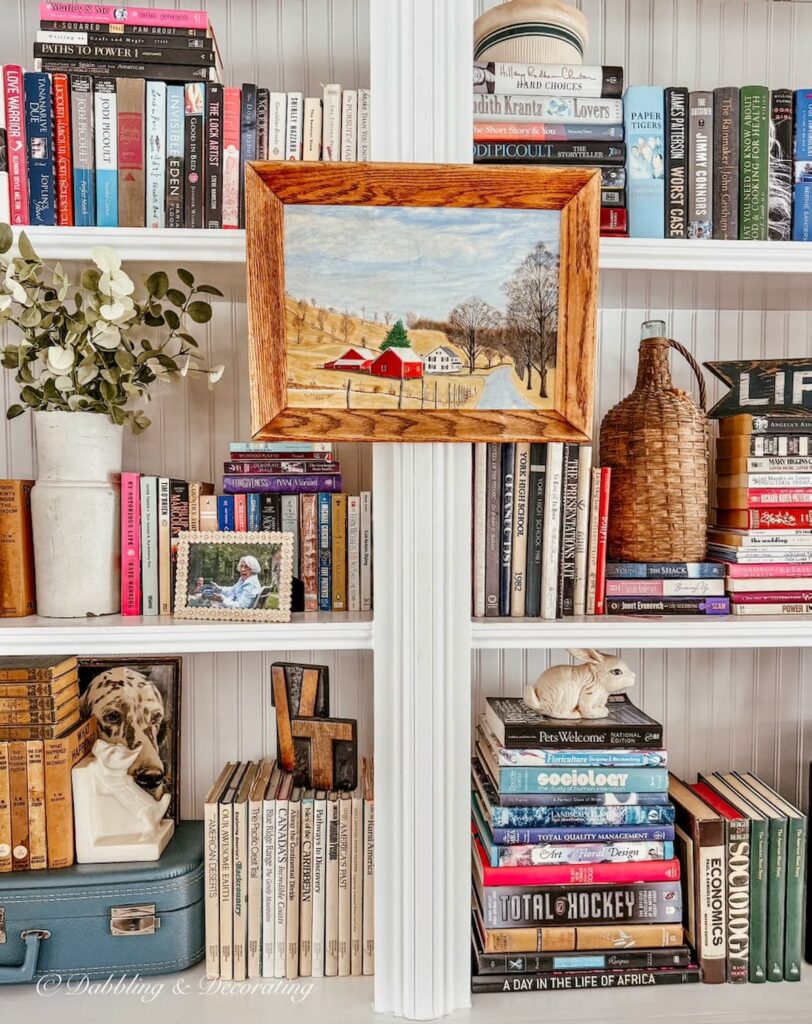
The best booth displays use height and layering, stacked books, risers, crates, or small furniture pieces, to build depth.
Flat surfaces at home can feel one-dimensional. Adding layers instantly makes a space feel styled and lived-in.
3. Leave Breathing Room
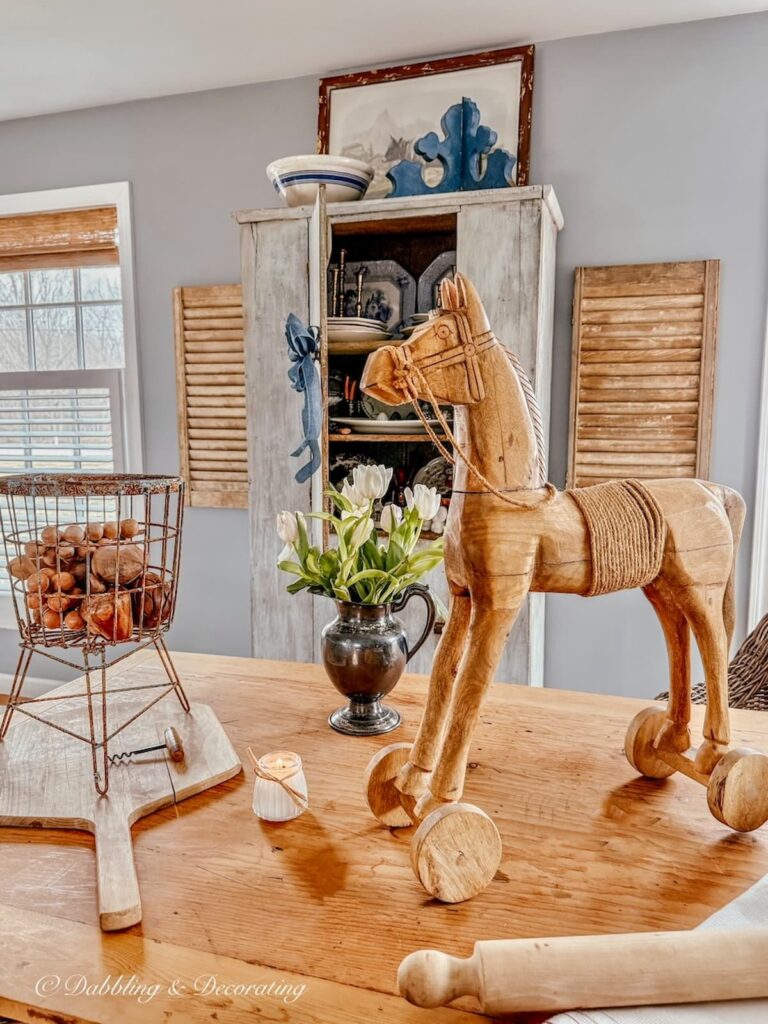
Well-styled booths aren’t packed to the brim. The most eye-catching ones leave space between pieces so each item can stand out.
That same idea works at home; editing your display can actually make your favorite pieces feel more special.
4. Mix Function With Beauty
Vintage booths often mix practical items, like baskets, crocks, or trays, into their displays.
At home, these pieces can do double duty: they look beautiful and give you a place to store or organize everyday items.

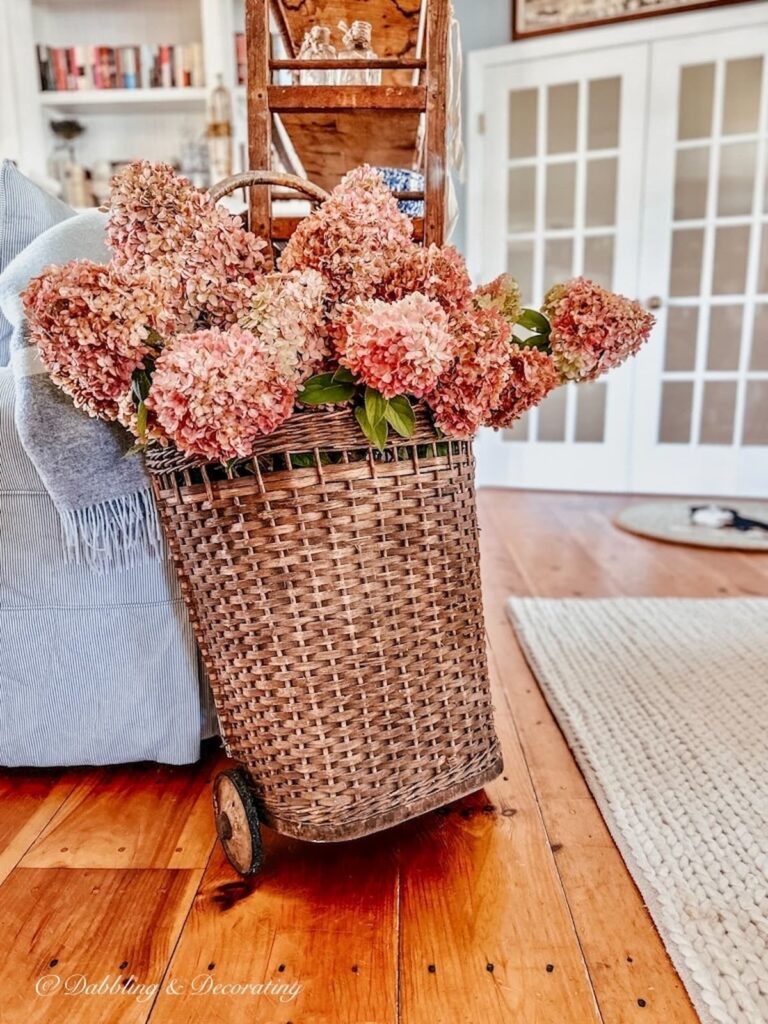
5. Change Things Up Seasonally
Booth displays are constantly refreshed for the season, adding greenery, florals, or small themed touches. You don’t need to redecorate your whole home.
Just swapping out a few seasonal elements can completely change the feel of a space.
Even if you’re not planning to open a vintage booth, these same styling ideas can help you make the most of the pieces you already love at home.
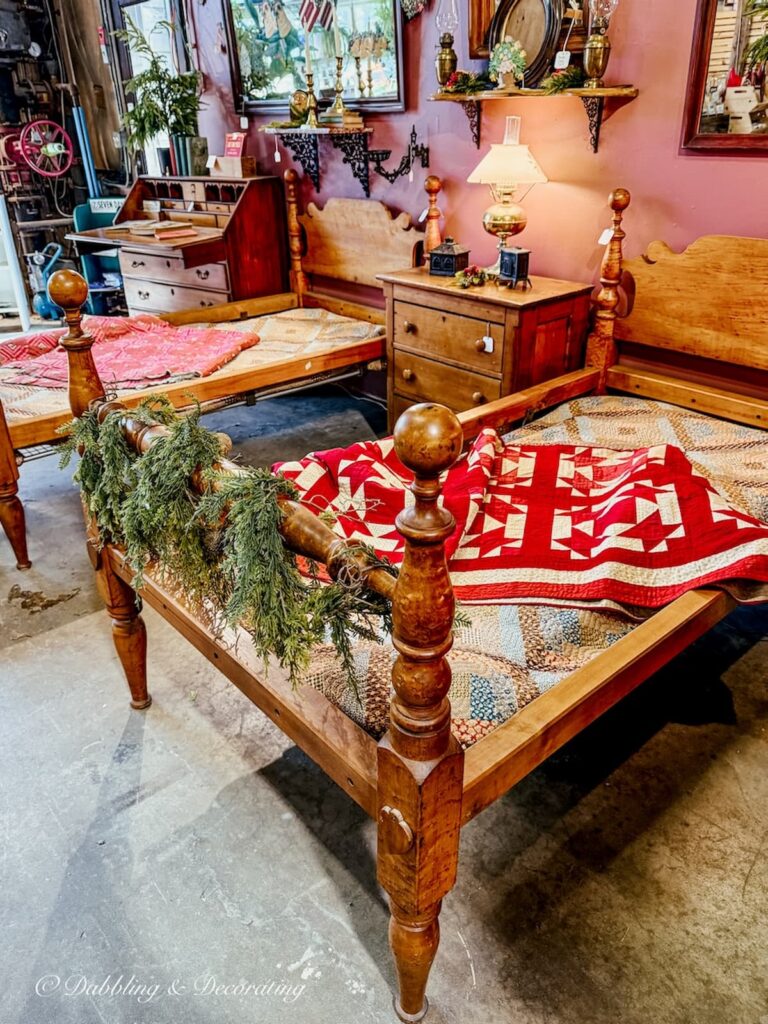
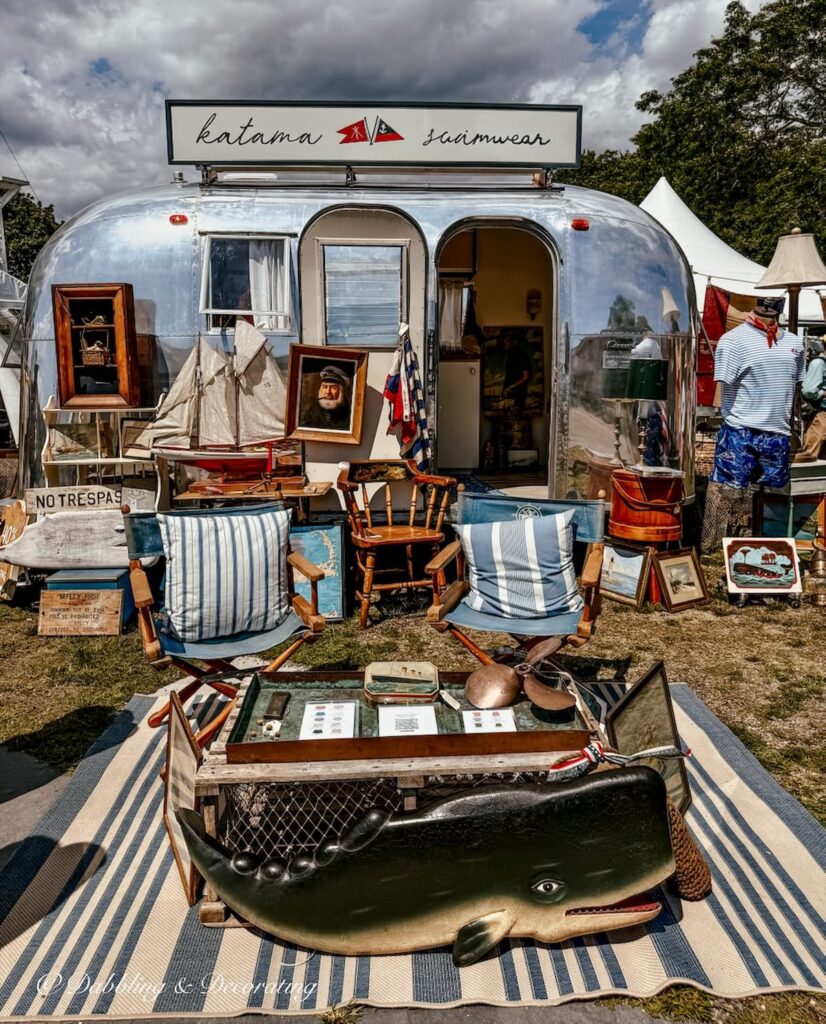
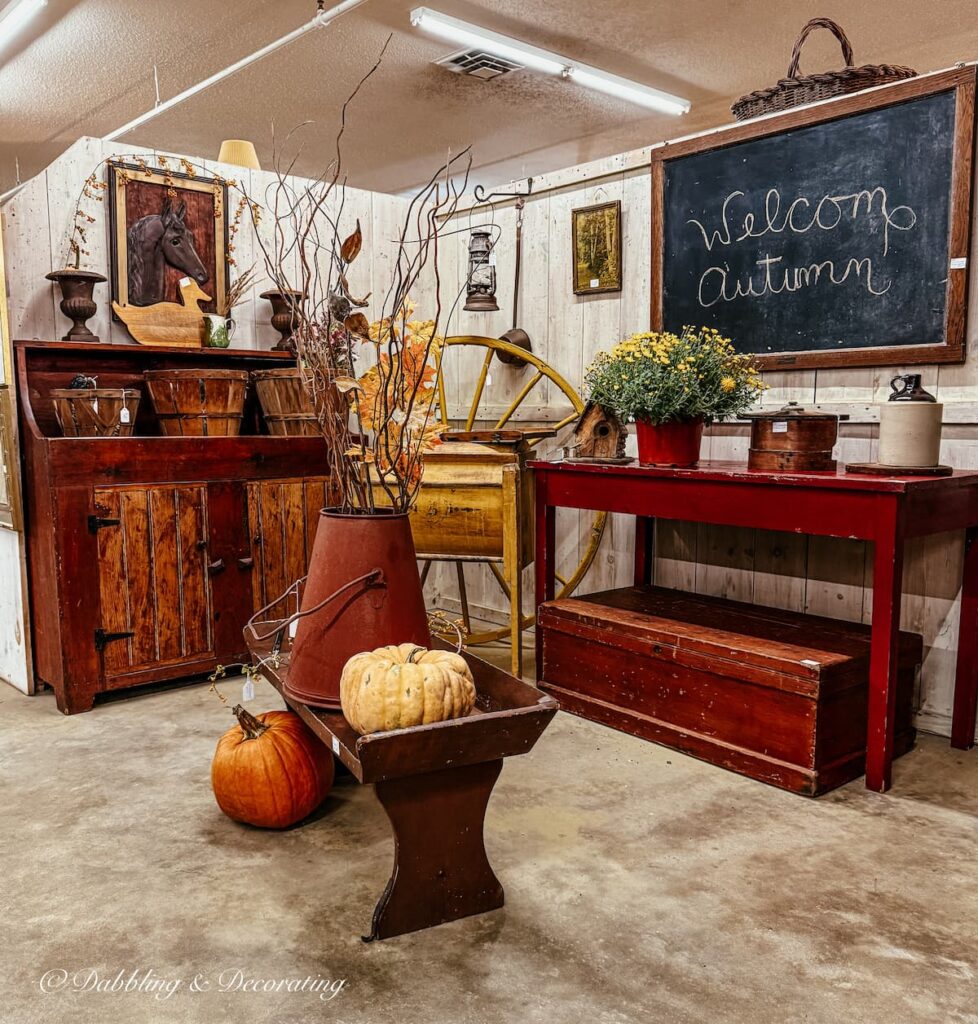
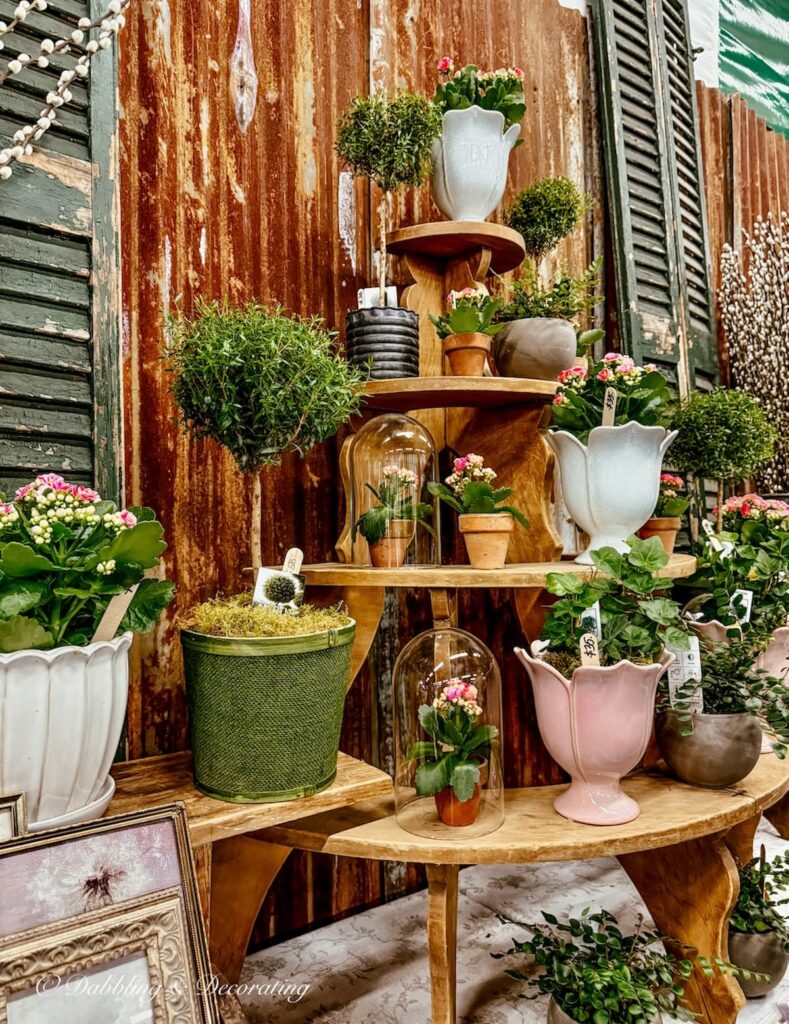
And be sure to explore more vintage booth ideas in these reader favorites:
Frequently Asked Questions About a Vintage Booth
A vintage booth is a curated selling space, often located in an antique mall, flea market, or consignment shop, where vendors showcase and sell vintage, thrifted, and antique items. Booths are typically rented and styled by individual sellers who choose their own inventory and pricing.
To start a vintage booth, first secure a rental space in a reputable antique mall or market, then curate inventory that reflects your personal style. Invest in eye-catching displays, price your items clearly, and keep your booth well-stocked and seasonally updated to attract buyers.
Popular vintage booth sellers include small furniture, seasonal decor, vintage kitchenware, linens, unique lighting, mirrors, artwork, and collectible home accents. Items with charm, patina, and nostalgic appeal often sell quickly when styled well.
Style your vintage booth with themed vignettes, use vertical space wisely, and incorporate layers of texture and color. Group like-items together, add signage with your booth name, and create an inviting layout that encourages browsing.
Yes, with the right location, inventory, and styling, running a vintage booth can be profitable. Profit margins are often higher for thrifted and repurposed items, especially when they are attractively displayed. Consistency, fresh merchandise, and understanding your local buyers are key to success.
Join the Vintage Circle — Familiar Finds, Styled Your Way™
Love vintage treasures, thrifted gems, and a home that tells your story? Leave a comment, share this post with a kindred spirit, or head to my Start Here page to explore more. Want fresh prompts and timeless ideas? Subscribe to join our Seasonal Vintage Decor Styling Challenge for weekly inspiration and behind-the-scenes peeks.
Pin it for later!

Shop Vintage Booth Supplies
This post may contain affiliate links, which won’t change your price but will earn us commission.


These are such great tips. I ran a vintage booth for a while after I closed my boutique. It was so much fun. Hugs to you.
Thank you Renae, aren’t they so much fun to have? Happy holidays to you, I’m so glad you joined us this year.
I wish you had written this a few years ago when I had a booth. It was so beautiful and fun to play with as I displayed everything so perfectly. My problem was I hadn’t researched foot traffic. Even though I found it, no one else did and eventually the building was closed and sold. All that said, this was a fantastic post and makes me wish I could do it again. My life long dream is to have my own store. Sell homemade pies, repurposed finds and antiques with a place in the back for classes or tea parties.
Loved being with y’all this year and following along with what you found. Y’all have the best stuff up north. Seems like most of it is so different from our things. Cheers to another year of thrifting and best wishes on the booth. To have a window is awesome!!!
Thank you Cindy, yes foot traffic is everything really. It’s funny because I want the window to look so nice too, but you have to actually sell things to stay there, haha. So it may not always look the way I want it to but it’s been loads of fun. Happy Holidays Cindy!
Your booth looks so good Ann! The locals are going to love your spot!😊 Pinned!
So sweet of you to say. I’m always so happy to see you stop by🤗
You have done a really nice display. It looks fantastic!! I have a collection of vintage/ antique items. I love to shop for them. It is my addiction!! I have always wanted to do a booth. How do you decide how to price your items? This is my main issue- that’s holding me back. Thank you
Hi Stephanie. I agree with you it can be a challenge. I decide based upon the customer base of the shop and the value an item sells for online. And I am always open to offers too😃
This is so exciting Ann. I’m thrilled for you and your new adventure and can’t wait to take a ride to see it in person. We used to drive through Manchester when bringing our son to college in Poultney. We always stopped on our way back just to enjoy the wonderful area shops. Wishing you lots of fun and luck!!!! Awesome!!!!!
Wow Kathy, Poultney? I went to GMC🙌🏻
This is so exciting Ann! Before I started gardening, I had always wanted to have a booth at a vintage shop. I will just live through you. Love all your vintage goodies.
Thank you Kim it’s really been a lot of fun💃💃
Hi Ann. Fellow thrifter here! Your booth sounds so exciting! Wishing you tons of success!
I hope to start a little vintage business of my own. Maybe online or as pop up barn sales. Or maybe a combination of both? My collections are boardering on a hoard! Lol!! But thrifting is my thing, so I don’t see myself stopping any time soon!
I’m with you Donna. Good luck to you in starting up a vintage business💃
Crushing on your vintage blackboards! I’ll be in Vermont this summer and stopping by!
Aren’t those so cute. They’re children’s learning slates😃
Ann I am not local but my friend is often shopping in Manchester.
Can you send me an email? I can’t send you one directly from here I’m afraid🙈
Congratulations, Ann! I know you will have roaring success! You’re observation about the wide range of differences in antique malls, booths and thrift stores is so true. I am thrilled to watch the evolution of your booth business!
Thank you so much Kristine. It’s going to be so much fun😃
Hi Ann! Love your new shop! Are you selling your Autumn’s Delight dishes? I would love to buy them. Can you email me?
TY! And good luck with your new venture!
MaryAnn
Hi MaryAnn yes I am. Are you local to the area?
Ann, this is so exciting!! Perfect next step for you…and a great excuse to have to keep thrifting!! Congrats!
Thanks so much Jennifer been so much fun💃🏼
Ann,
I’m so excited for you and your new venture. I’ll share a link to your post. on Sunday.
Thank you so much Rachel💃🏼